PM Modi will visit Punjab on September 9 to review flood-hit areas, meet affected communities and ensure relief and long-term flood management.
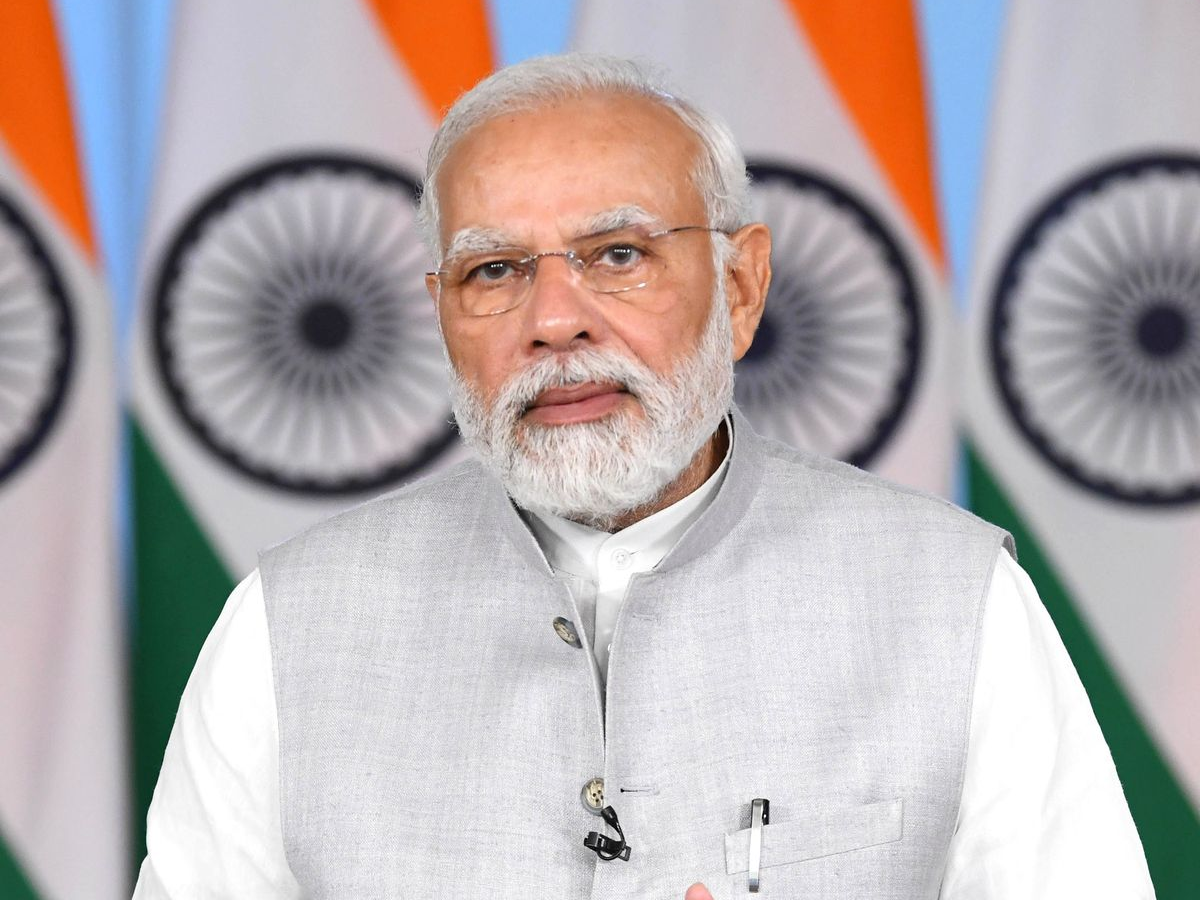
Prime Minister Narendra Modi to visit flood-affected areas of Punjab on September 9 to assess damage and meet impacted families
Chandigarh: Prime Minister Narendra Modi will visit Punjab on September 9 to personally review the flood situation and meet affected communities, BJP leader Sunil Jakhar announced on Sunday. The visit, coming at a time when several districts of the state remain inundated, is aimed at assessing local conditions and ensuring that relief measures are effectively implemented.
Jakhar said the Prime Minister has been “deeply concerned” about the crisis in Punjab and has been monitoring the developments closely from Delhi. “The Government of India stands firmly with the people of Punjab,” he emphasised, while highlighting that the Centre has already dispatched senior officials and central teams to survey the scale of destruction.
The floods, triggered by heavy rainfall in the upper catchment areas and aggravated by sudden releases from the Bhakra Dam, have caused widespread damage across districts including Ludhiana, Jalandhar, Ferozepur, Fazilka, Rupnagar and Kapurthala. Hundreds of villages have been marooned, crops spread over thousands of acres destroyed, and thousands of families displaced.
Jakhar recalled that even before the Prime Minister’s visit was finalised, Union Agriculture Minister Shivraj Singh Chauhan had been deputed to Punjab to undertake an on-the-ground assessment. “This reflects the seriousness with which the central government is treating the calamity,” he said. Two central government teams have already toured the worst-hit areas, interacting with district administrations and local communities. Their reports, expected to be submitted in the coming days, will help determine the scale of central assistance to Punjab.
Officials said the Prime Minister is likely to undertake an aerial survey of affected belts along the Sutlej before holding review meetings with state officials. His visit, they added, will also focus on long-term flood management measures, given that Punjab has been witnessing recurrent inundation in recent years due to breaches in river embankments and excessive pressure on drainage systems.
The state continues to battle fresh threats as breaches have been reported in embankments, particularly in Ludhiana and Ferozepur districts. With water levels rising in the Sutlej and Ghaggar rivers, the administration has been issuing repeated advisories to villagers in low-lying belts to remain alert. Rescue operations have been mounted by the National Disaster Response Force (NDRF), the Army, and volunteers, but many rural belts remain cut off.
The agriculture sector has been one of the worst casualties, with standing paddy crops either submerged or destroyed. Farmers have expressed fears of irrecoverable losses just weeks before the harvest season. The damage to rural homes, livestock, and village infrastructure has added to the hardship, creating what officials describe as “a humanitarian challenge on a large scale.”
Modi’s visit is also being seen through a political lens, as Punjab is governed by the Aam Aadmi Party (AAP), which has been sharply critical of central institutions such as the Bhakra Beas Management Board (BBMB). The state government has accused the BBMB of not acting swiftly on technical advice to manage dam outflows, while BBMB chairman Manoj Tripathi’s statements—acknowledging that water release is under their control but also suggesting Punjab had been conservative—have fuelled controversy.
The visit of the Prime Minister is therefore expected to have both administrative and political implications. Opposition leaders in Punjab have accused the state government of “failing to prepare” for the flood crisis, while AAP ministers have maintained that the scale of rainfall and dam inflows were unprecedented and beyond the state’s control.
With the Prime Minister himself arriving, expectations are high among affected residents and farmers for a substantial relief package. “We have lost everything—crops, homes, cattle. Unless the government provides direct compensation, survival will be impossible,” said Gurnam Singh, a farmer from Ferozepur. Village panchayats across affected districts have demanded financial support, free seeds for the next sowing season, and rehabilitation of families whose homes have collapsed.
The Centre has indicated that relief measures will be based on the recommendations of its assessment teams. Historically, flood relief packages in Punjab have been modest compared to the scale of damage, a gap that state leaders say must be corrected this time.
Experts note that Punjab’s flooding problem is not merely a seasonal disaster but a structural challenge linked to river management, silt accumulation, unchecked construction along floodplains, and delays in strengthening embankments. The Prime Minister’s visit, observers say, could also be an opportunity to chart out a long-term plan in coordination with the state government.
For now, the immediate focus remains on evacuating stranded families, supplying food and medicines to relief camps, and repairing damaged bunds to prevent further inundation.
As Punjab awaits Modi’s arrival on September 9, the mood in the flood-hit areas is a mix of despair and cautious hope. While residents struggle to come to terms with their losses, many believe that the Prime Minister’s presence will bring national attention to their plight and expedite the flow of aid.
