With the sentence now being served, attention has shifted from the legality of the conviction to its aftermath.
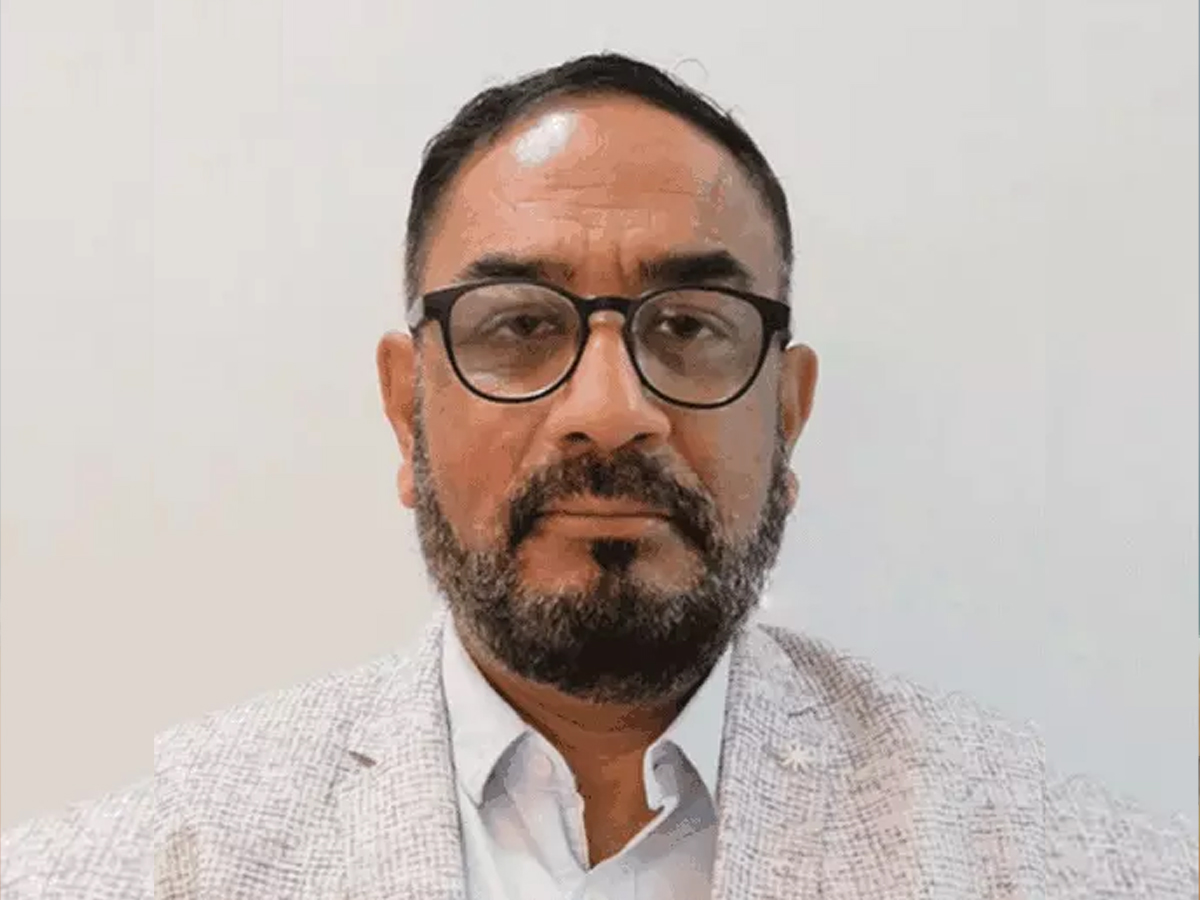
The trial court, in Case No. 3005/2024, convicted the accused on charges including criminal conspiracy and money laundering. (File Photo)
New Delhi: A Qatari criminal court’s verdict in a major defencerelated corruption and money-laundering case has now moved from judgment to enforcement, with three key convicts sent to prison, including Indian national and former Navy officer Purnendu Tiwari, the former chief executive of the company involved, and a local Qatari Ministry of Defence officer, according to court records.
The trial court, in Case No. 3005/2024, convicted the accused on charges including criminal conspiracy and money laundering, holding that the offences were committed through coordinated abuse of defence procurement processes and illicit financial transfers linked to military contracts.
As per the judgment, Tiwari was sentenced to three years’ imprisonment for criminal conspiracy and three years’ imprisonment for money laundering, along with an order for deportation from Qatar after completion of the sentence. The court also imposed substantial financial penalties, including fines and restitution tied to the proceeds of crime. The judgment ordered the convicts, jointly, to pay fines linked to the bribery offence amounting to QAR 10 million and EUR 1.3 million, pay an additional fine equal to the same amount, and return public funds quantified by the court at QAR 69,084,558 and EUR 31,725,000, along with an additional punitive fine of the same value.
In its findings, the court held that Tiwari maintained sustained contact with a Qatari defence official, sought and received information related to defence tenders, facilitated movement of illicit funds through intermediaries, and participated knowingly in laundering the proceeds. The court relied on financial audits, intercepted communications, witness testimony and transaction trails to conclude that these acts were deliberate and formed part of a coordinated criminal arrangement, rejecting defence arguments that sought to minimise individual responsibility or shift blame within the company hierarchy.
Tiwari and his family members, however, dispute this characterisation.
In representations to Indian authorities and in accounts shared by family members, they have maintained that he was framed and was not the principal decision-maker, arguing that key commercial and financial decisions were taken by others within the company and that his role was overstated. They further contend that several actions cited against him were routine business practices rather than criminal conduct. Among the allegations relied upon, they point to his seeking expedited release of payments due to his company from the Qatari armed forces, which they describe as standard commercial follow-up undertaken by senior executives across industries, as well as allegations that he sought information relating to tender timelines, technical specifications and the status of approvals, which they argue are commonplace in defence and infrastructure contracting.
With the sentence now being served, attention has shifted from the legality of the conviction to its aftermath.
Tiwari, 65, a former Indian Navy commander and recipient of the President’s NRI Award in 2019, has been lodged in prison in Qatar following the judgment.
In multiple written representations addressed to the Ministry of External Affairs, the Prime Minister’s Office and the Indian Embassy in Doha, he has sought humanitarian intervention to facilitate his return to India after completion of legal formalities, citing age, deteriorating health and prolonged isolation.
Medical records attached to these representations include a psychiatric assessment conducted in Doha in October 2025, which diagnoses Tiwari with posttraumatic stress disorder. The report documents symptoms including panic attacks, claustrophobia, flashbacks, sleep disturbance, poor concentration and persistent anxiety, and notes that he is under continuous psychiatric treatment and medication, with the stressor responsible for his condition described as ongoing.
Court and government records show that seven other Indian nationals linked to the broader episode were allowed to return to India in February 2024, while Tiwari remained in Qatar as proceedings continued and ultimately culminated in conviction.
Officials familiar with consular practice say that once a foreign court has delivered a final judgment and prison sentences have begun, diplomatic options narrow considerably, though humanitarian representations relating to health, age and deportation timelines can still be raised through formal channels.
Tiwari’s safe and quick return to India now hinges on the warm cordial personal relations between PM Modi and the Emir of Qatar.
