
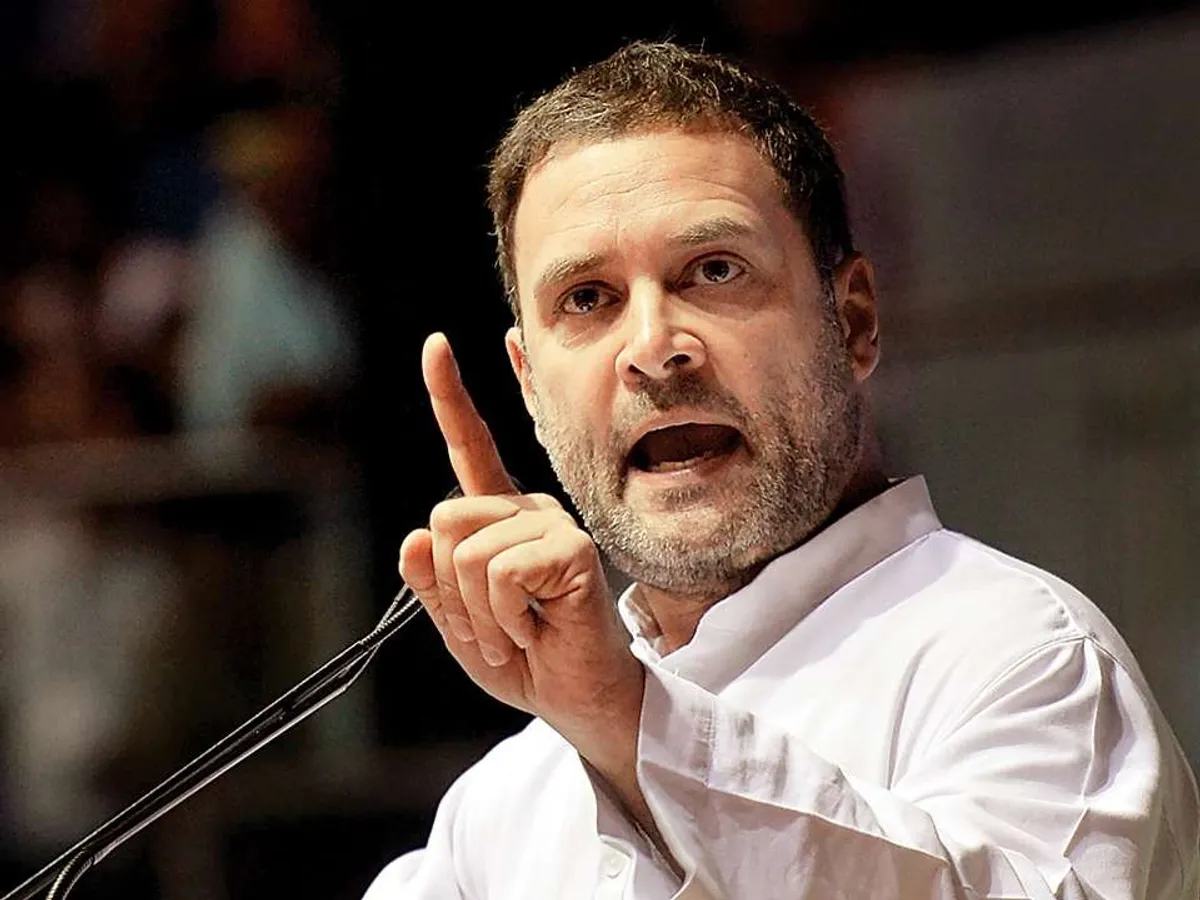
NEW DELHI: The continuous failure of the issues and strategies of Rahul Gandhi, the Leader of the Opposition in the Lok Sabha, has raised serious questions about his current advisors and strategists. While no one is speaking openly, resentment within the Indian National Congress is steadily growing. Repeated setbacks have significantly damaged Rahul Gandhi’s political image. Not only is the core organisation under strain, but even the frontal organisations appear ineffective. The heads of the Youth Congress, NSUI, Mahila Congress and Seva Dal are increasingly seen as functioning more like a committee for optics, particularly in the media, instead of taking up issues directly concerning the public, they are perceived as merely following directions from the top leadership.
The Youth Congress, for example, could have launched a sustained and structured movement against the US deal. However, by staging a protest during the AI Summit on Friday, it ended up harming Rahul Gandhi’s image. The Bharatiya Janata Party directly blamed Rahul Gandhi, continuing its nationwide offensive against him, while the Congress struggled to mount an effective defence.
Since the 2004 general elections, not a single major Congress issue or strategy has fully succeeded. During the elections, the Congress and the broader opposition campaigned strongly on caste politics and the protection of reservations.
This approach helped them secure respectable seat counts in certain states, but it fell short of delivering a majority. After the elections, the opposition stopped raising questions about EVMs and instead continued with caste-based politics. However, caste mobilisation gradually lost traction. Subsequent strategies attempted by Congress failed to create sustained impact. Rahul Gandhi repeatedly sought to ignite movements against the government on various issues, yet none gathered decisive momentum.
The Congress has now announced farmers’ conferences in three states against the US deal—Rajasthan, Madhya Pradesh and Maharashtra—none of which are immediately election-bound. Ideally, critics argue, such mobilisation should have begun in agriculturally dominant states like Uttar Pradesh, Punjab and Uttarakhand. The first farmers’ conference is scheduled in Bhopal on February 24. Congress may succeed in mobilising crowds in Madhya Pradesh and Rajasthan, where BJP government faces facing governance-related criticism. However, in Maharashtra, where the political landscape is fluid and Rajya Sabha elections are approaching, Congress faces organisational and numerical challenges. Reports suggest the party may once again attempt to launch the farmers’ movement independently, without fully aligning with its allies. Congress president Mallikarjun Kharge and Rahul Gandhi are expected to attend all these conferences.
Earlier this year, before the US deal controversy, Congress had announced a month-long nationwide agitation in January against alleged dilution of MNREGA provisions. That deadline is now expiring without any significant mobilisation.
After the general elections, Rahul Gandhi also attempted to intensify caste politics, but the crushing defeat in Haryana proved a setback. Critics within the party argue that over-reliance on Jat-centric politics damaged Congress prospects there.
Strategists projected former Chief Minister Bhupendra Hooda as the central face in Haryana, but this proved a strategic error. Following this, Congress suffered further defeats in Maharashtra and Delhi. In Delhi, the party failed to win a single seat for the third time, with most candidates forfeiting deposits. Maharashtra witnessed one of its poorest performances in recent years. Instead of undertaking introspection, Rahul Gandhi foregrounded allegations of “vote theft,” linking defeats in Haryana, Maharashtra and Delhi to electoral malpractice.
By attributing setbacks to vote theft, critics argue, he effectively shielded his strategists from accountability. Ahead of the Bihar elections, the SSP issue was also linked to similar allegations, but it failed to generate sustained traction. Rahul Gandhi subsequently escalated his rhetoric by directly targeting Prime Minister Narendra Modi over the issue. Although several experienced Congress leaders reportedly advised caution, Rahul Gandhi continued to rely heavily on his current advisors. Political observers suggest that inexperienced or misaligned advisors are contributing to the steady erosion of Rahul Gandhi’s public image.
Continuous electoral defeats, weakening organisational discipline, ideological ambiguities and strategic inconsistencies are compounding leadership challenges. Unless the party reassesses its advisory framework and strategic direction, concerns within Congress ranks about long-term viability are likely to intensify further.




