Bengal parties intensify community outreach as identity politics deepens ahead crucial elections.
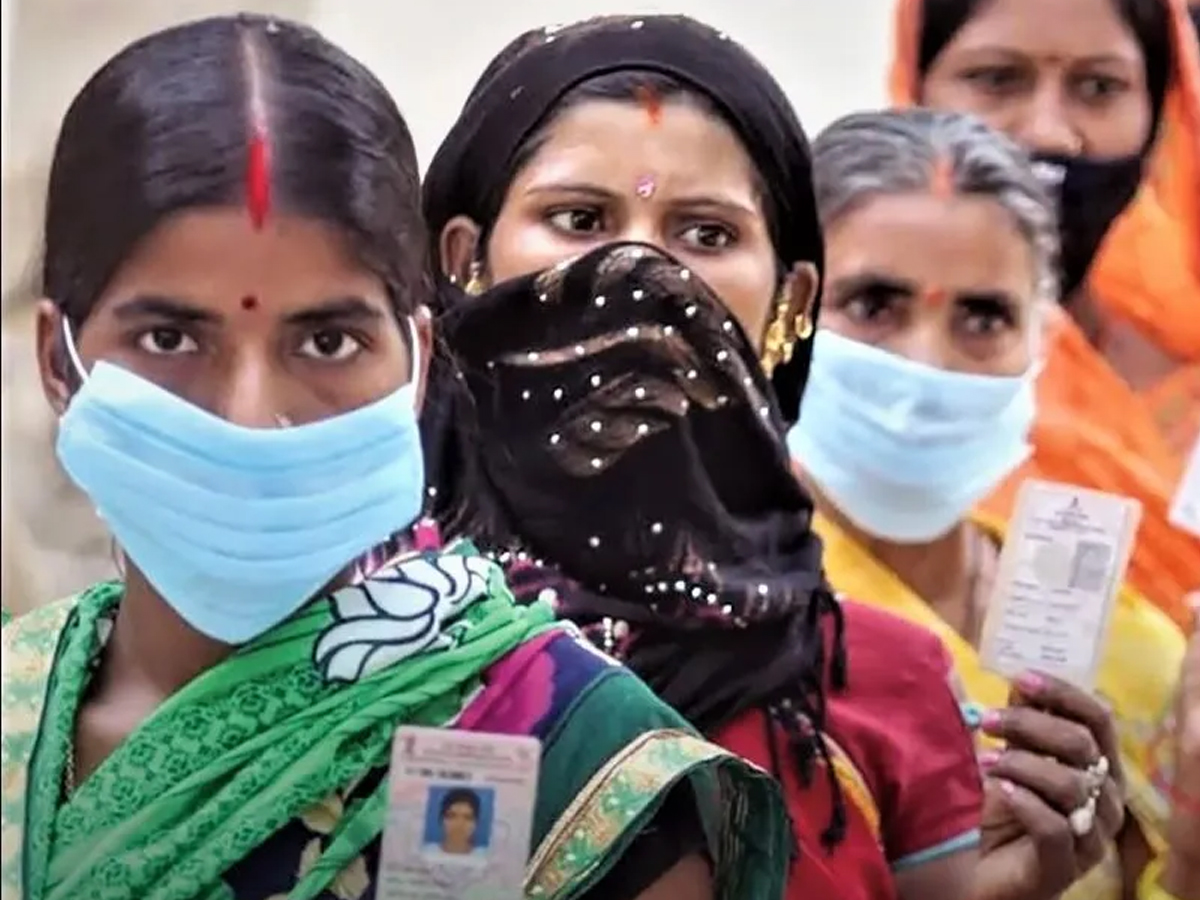
West Bengal has 294 Assembly seats, nearly 80 of which are dominated by Muslim voters, while several others rely heavily on Muslim support. (Photo: Elections Commission of India)
New Delhi: West Bengal’s political landscape is gradually tilting toward religion-driven narratives, with multiple parties aligning themselves with specific communities in an attempt to consolidate vote banks. However, the challenge remains — no political force can afford to alienate other religious groups while aspiring to secure power in a state known for its diverse electorate.
This shift became evident earlier this week when Humayun Kabir — expelled from the Trinamool Congress (TMC) — announced that he would launch his own political party ahead of the Assembly elections scheduled for May–June 2026. Kabir claimed that he would contest all Muslim-dominated constituencies and predicted that no party would be able to form the next government without his backing, positioning himself as a crucial force in the post-poll landscape.
West Bengal has 294 Assembly seats, nearly 80 of which are dominated by Muslim voters, while several others rely heavily on Muslim support. Capitalising on this demographic advantage, Kabir plans to field candidates in around 135 constituencies. He has declared that his party will challenge both the TMC and the BJP, asserting that neither of the two major contenders will win a simple majority and that his new outfit will emerge as the “kingmaker.”
At the same time, the 2026 polls are shaping into a decisive test for the BJP. Since 2014, under Prime Minister Narendra Modi, the party has been attempting to break into Bengal’s political space. Despite deploying multiple strategies, the TMC and Mamata Banerjee have consistently maintained an edge. With the next elections approaching, the BJP is now attempting an intensified hybrid strategy. Its renewed emphasis on Bengali identity — including the Vande Mataram debate — reflects an effort to appeal to Bengal’s cultural sentiment.
The party’s strategy in Bengal has swung between moderate and aggressive posturing. With Muslims forming roughly 30% of the state’s population, the BJP recognises their electoral weight. In nearly 10 of the 42 Lok Sabha constituencies and around 80 of the Assembly seats, Muslims make up more than 45% of voters. Historically, this vote has gone largely to the TMC. While the BJP made gains through overt Hindutva mobilisation in the 2019 general elections, it experienced setbacks in the following Assembly polls and again in the 2024 Lok Sabha elections.
After these reversals, some BJP leaders acknowledged that ignoring such a large voter group would make electoral gains difficult. The party attempted to soften its image by offering 852 tickets to Muslim candidates during the panchayat elections — the highest ever in West Bengal. The RSS has also initiated dialoguebased outreach to counter perceptions of being anti-Muslim. Yet, these steps have not translated into substantial political benefits.
Recognising the limits of a purely Hindutva-centric campaign, the BJP is now merging religious nationalism with regional cultural identity. While Hindutva continues to be part of its rhetoric, the party believes its impact has plateaued.
