Unrest in PoJK enters sixth day; 15 dead, hundreds injured as protests escalate, cross-border families suffer, and diplomatic tensions rise.
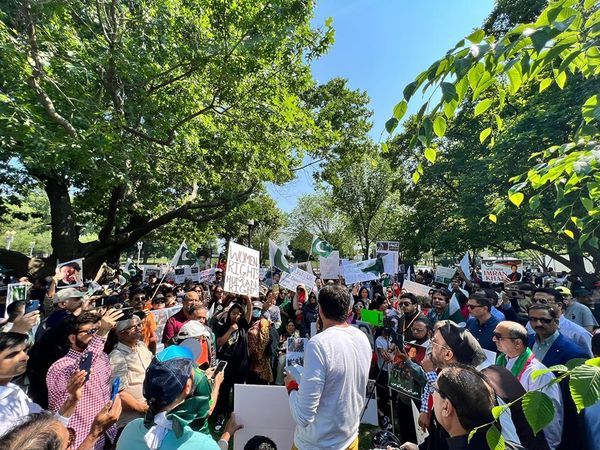
Protests in Muzaffarabad, PoJK, escalate as local families mourn the dead amid rising violence and cross-border tensions.
SRINAGAR: The unrest gripping Pakistan-occupied Jammu & Kashmir (PoJK) has entered its sixth day, with the death toll rising and despair spreading not only within PoJK but also across the Line of Control among families torn between two territories. Reports now indicate at least 15 people have lost their lives in clashes with Pakistani security forces, while hundreds more have sustained injuries during protests demanding political and economic reforms.
On the Indian side of Kashmir, anxious relatives speak of helplessness as they watch the violence unfold from afar. Riyaz Ahmad Sheikh, a resident of Uri close to the fence, says: “We are fortunate here under Indian administration—our government supports LoC-area people. But on the other side, people are being dragged, killed, denied basic rights. How long will they suffer?” He adds that attempts to contact relatives in PoJK have failed, deepening his sense of anguish.
From the Keran sector, another family conveyed over the phone their belief that PoK will eventually return to India. “We were promised that our territory will be taken back. The time for that is overdue,” they said, calling for intervention from the Indian government to help their kin and end the atrocities. On the streets of Muzaffarabad, where the protests began, the mood is one of defiance and grief. The funeral prayers of those killed in the protests saw thousands of locals in attendance, amplifying the rallying cry for justice and change.
Meanwhile, diplomatic tension is escalating. India has accused Pakistan of human rights violations in PoJK, calling for accountability and intervention from international bodies.
The protests are led by the Jammu Kashmir Joint Awami Action Committee (JKJAAC), a coalition of students, traders, lawyers, and civil society groups. Their demands range from ending privileges for elites, abolishing reserved assembly seats for refugees, to access to free education, healthcare, and energy subsidies. Islamabad’s response has been to impose communication blackouts in several districts and deploy force to suppress the unrest.
Observers warn that the crisis is spiralling. As violence continues and cross-border families suffer in silence, Kashmir risks entering a phase of deeper instability unless urgent diplomatic, humanitarian, and political solutions are found.
