PDP president Mehbooba Mufti calls profiling campaign ‘a direct attack on our religion and religious identity'
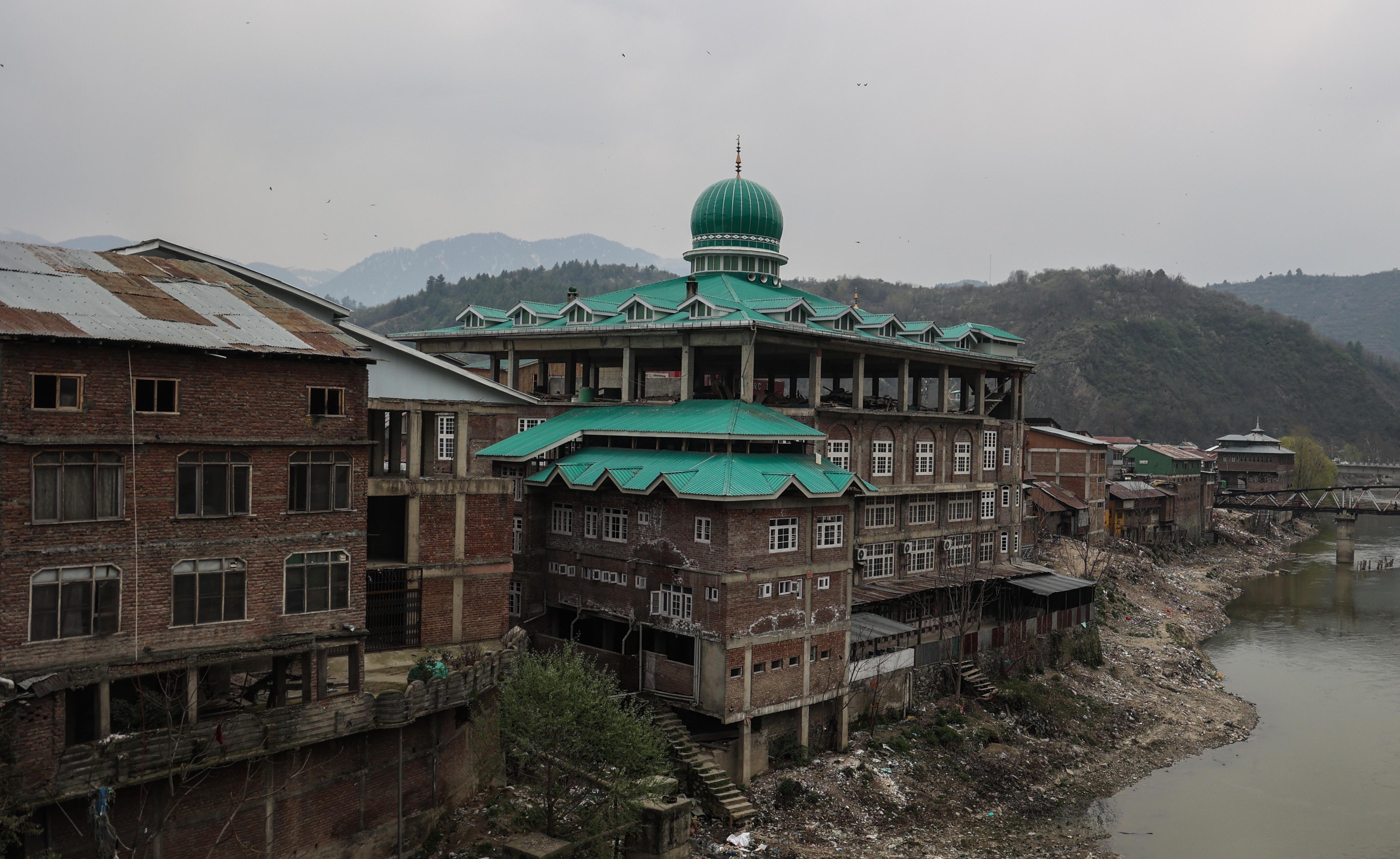
A mosque in Srinagar, part of the valley-wide police survey gathering detailed institutional and personal information from religious sites (Photo: File)
SRINAGAR: The Jammu and Kashmir Police have launched a special Valley-wide campaign to collect detailed information about mosques and religious functionaries, triggering unease among clerics, political leaders and civil society groups.
As part of the exercise, mosques across Kashmir have been issued a four-page questionnaire seeking extensive details about both religious institutions and individuals associated with them. According to officials familiar with the matter, one page of the form focuses on the mosque itself, seeking information about its sect, seating capacity, physical structure, year of construction, construction cost, monthly expenditure, sources of funding, land records and details of the management committee.
The remaining three pages are dedicated to personal profiles of those connected with the mosque, including imams, muezzins, khatibs, members of mosque management committees and individuals linked with Bait-ul-Maal or charity wings. These sections reportedly ask for personal, financial and ideological details.
The move has drawn sharp reactions from mainstream political parties and religious circles, with many terming the exercise intrusive and discriminatory. People's Democratic Party (PDP) president Mehbooba Mufti strongly criticised the campaign, calling it "a direct attack on our religion and religious identity". In a post on social media, she said such measures would only deepen mistrust and alienation rather than build confidence.
National Conference (NC) Member of Parliament from Srinagar, Aga Ruhullah Mehdi, also expressed serious concern over the drive. He said the collection of such granular information about mosques and religious personnel raises "grave constitutional and moral questions". "Targeting religious spaces and clergy in this manner creates the impression that an entire community is under suspicion. This is neither healthy for society nor in line with democratic norms," Aga Ruhullah said, urging the administration to clarify the objective of the exercise and ensure that civil liberties are not compromised.
Senior NC leader and former minister Ali Mohammad Sagar said religious institutions should not be viewed through a security prism. "Mosques are places of worship, not surveillance centres. Any attempt that appears to profile a particular community will be strongly opposed," he said.
Congress leader Ghulam Ahmad Mir echoed similar sentiments, stating that while law enforcement agencies have the right to maintain records, the current exercise "appears excessive and poorly communicated," creating avoidable fear among the public.
However, political activist Asif Lone has offered a more nuanced view, saying that if the intention is regulation and transparency, such steps should be applied uniformly across all regions and religious communities, instead of being seen as focused on one particular group. "There should be no selective approach. If documentation of religious institutions is being undertaken, it must be done across Jammu and Kashmir, covering all faiths, to avoid perceptions of bias," a senior political activist in Baramulla said.
Police officials have so far maintained that the exercise is part of a routine data-gathering process and is aimed at updating records. No detailed public statement explaining the scope and safeguards of the campaign has yet been issued. Meanwhile, the development has reignited debate in the Valley over surveillance, religious freedom and the shrinking space for community trust, with several organisations expected to raise the matter in the coming days.
