
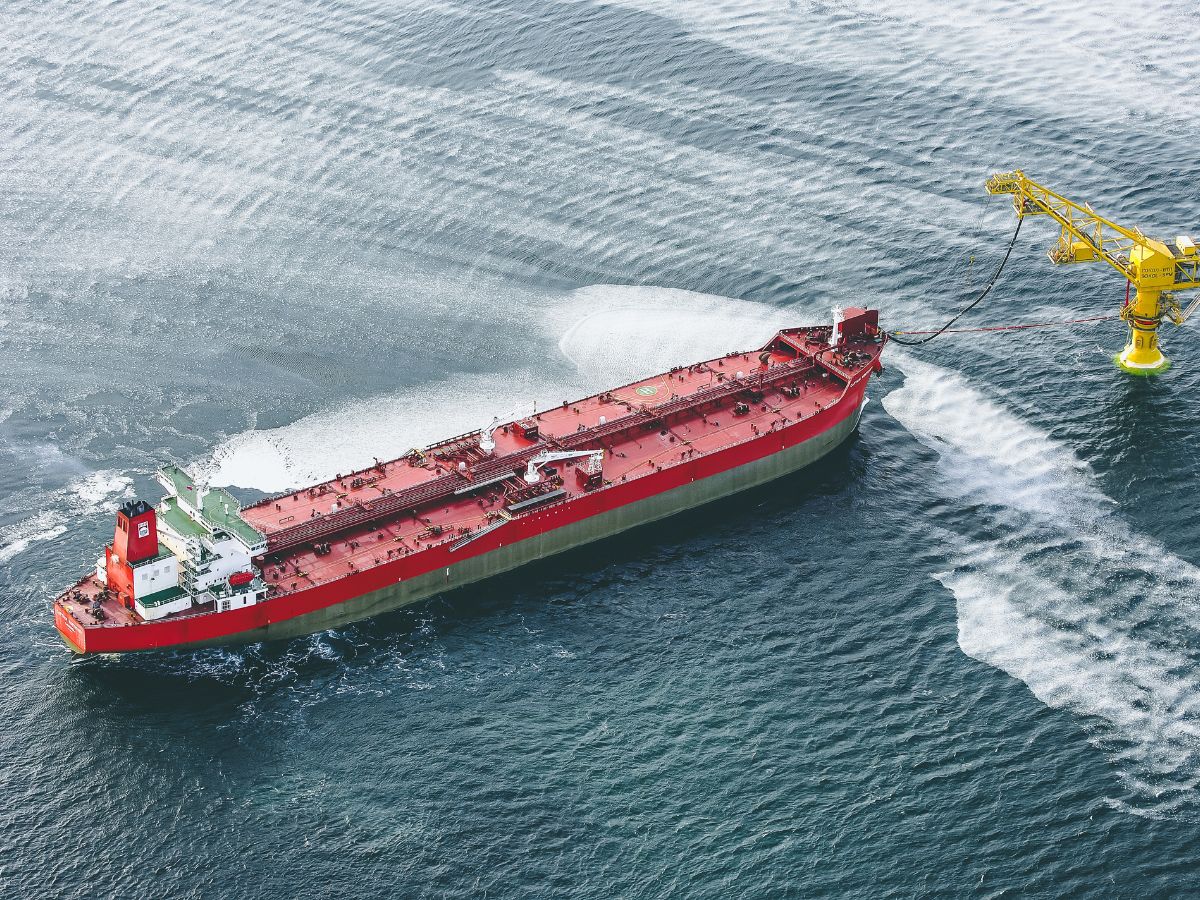
CARACAS/HOUSTON, January 6 — At least a dozen oil tankers loaded with 12 million barrels of Venezuelan crude have sailed from the country since January 1, apparently defying a U.S. naval blockade, according to shipping data and documents. The departures come as U.S. oil major Chevron separately resumed authorized exports to the United States, highlighting a fractured enforcement landscape days after President Nicolás Maduro’s capture.
How did the tankers evade the US blockade?
The vessels, all under U.S. sanctions, had been stuck in Venezuelan waters since President Donald Trump imposed a quarantine on sanctioned tankers in mid-December. Shipping monitors and internal documents show at least four supertankers were cleared by Venezuelan authorities to sail in “dark mode”—with satellite trackers off—a common tactic for moving sanctioned oil.
They left via a route north of Margarita Island, with some departing as recently as Saturday, after Maduro’s capture. “We managed to get some supplies out,” a PDVSA source told Reuters, noting the route may now be closed. The tankers’ final destinations are unclear, though they were originally slated for Asia, primarily China.
What is the current US policy on Venezuelan oil?
The policy appears dual-track. While the embargo on PDVSA and sanctioned vessels remains officially in force, Chevron—exempt from sanctions—resumed exports of Venezuelan crude to the U.S. Gulf Coast on Monday after a brief holiday pause.
A U.S. official said the “quarantine” focuses on sanctioned tankers but did not comment on the departed ships. Trump said Saturday that Venezuela’s “largest customers,” like China, would keep receiving oil, suggesting a possible, if unofficial, carve-out.
Why are these oil shipments critical for Venezuela?
Oil exports are Venezuela’s sole significant revenue source. Before these departures, over 20 million barrels were stuck on idle tankers, forcing PDVSA to cut production as onshore storage filled. The cash from these shipments is urgently needed by the interim government led by Oil Minister Delcy Rodríguez to finance state operations and attempt stabilization.
The National Assembly formally sworn in Delcy Rodríguez as interim president on Monday, while reappointing her brother Jorge Rodríguez as its president, consolidating power within the same political family.
How does Chevron’s role contrast with PDVSA’s?
Chevron’s operations in Venezuela have continued fluidly amid the turmoil. A tanker chartered by the company is currently carrying about 300,000 barrels to the United States.
This contrasts sharply with PDVSA’s situation. The state company’s exports had ground to a halt last week under the blockade. The recent sanctioned tanker departures represent a risky, likely short-term effort to generate essential cash, while Chevron operates under a stable U.S. license.
What happens next for Venezuela’s oil trade?
The interim government’s ability to sustain oil revenue is in question. PDVSA’s board was meeting with Delcy Rodríguez on Monday for directions on exports.
Trump has linked further U.S. military action to Venezuela’s cooperation on opening its oil industry. The situation remains volatile: a tightrope between evading a blockade to survive financially and provoking another U.S. strike.
FAQ: Venezuela’s oil shipments and the US blockade
Q: How much oil left Venezuela on these tankers?
A: An estimated 12 million barrels of heavy crude and fuel oil, carried on about a dozen vessels, half of which are supertankers.
Q: Is the US blockade still in effect?
A: Officially, yes. But enforcement appears uneven, with sanctioned tankers sailing and Chevron operating legally. The U.S. says the quarantine focuses on sanctioned vessels.
Q: Where is the oil going?
A: The final destinations are unknown. When loaded in December, they were mostly destined for Asia, with China as the primary buyer.
Q: What is ‘dark mode’ sailing?
A: It means turning off a ship’s satellite tracking transponder to conceal its location, a tactic used to move sanctioned oil from Iran, Russia, and Venezuela.
Q: Why is Chevron allowed to import Venezuelan oil?
A: Chevron functions under a U.S. Treasury Department license that exempts it from sanctions, enabling debt recovery and the continuation of limited operational activities.




