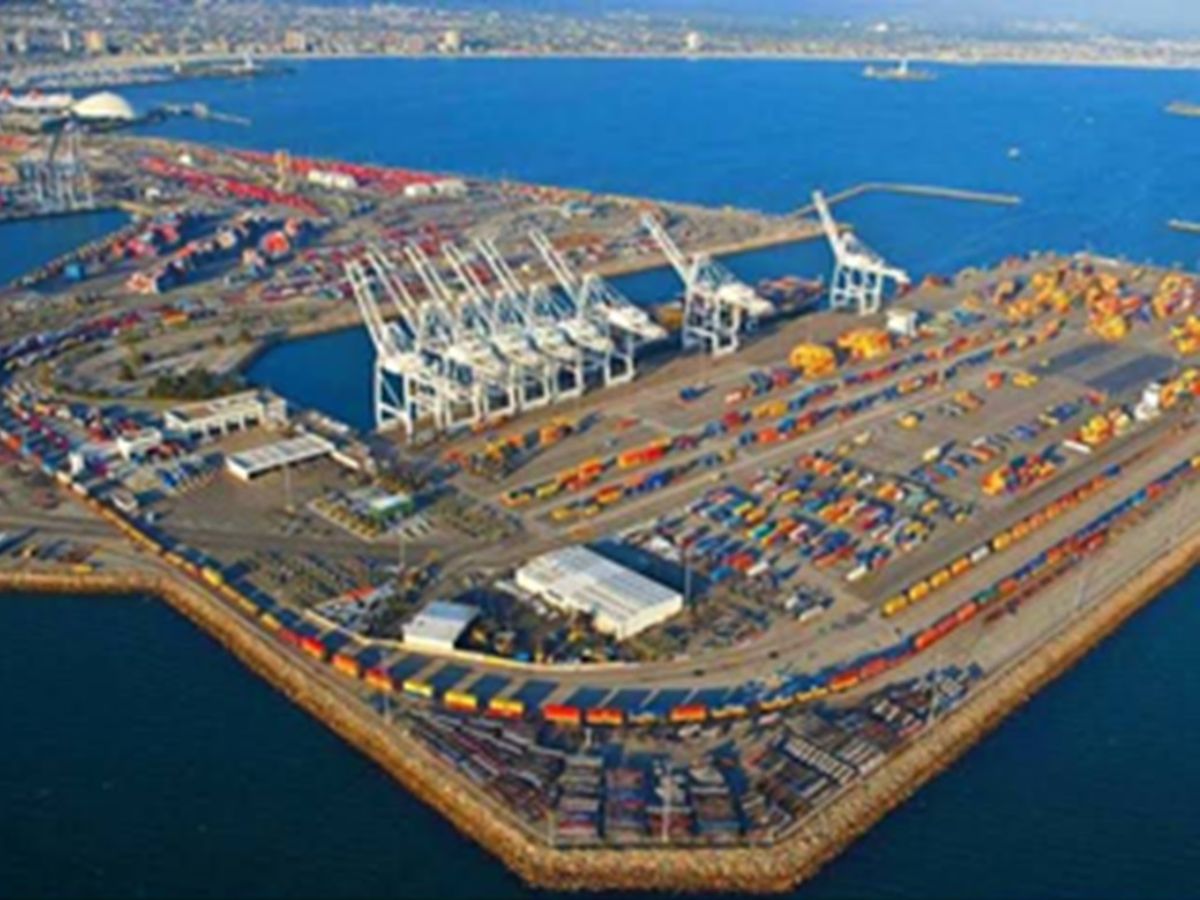
Gwadar at risk of becoming foreign maritime ops hub (Image: File)
New Delhi: The idea of a multinational maritime fusion centre linked to Gwadar is being promoted as a step towards cooperation, transparency and regional security. It is framed as a responsible move by Pakistan to become a stakeholder in shared maritime awareness. Look past the language, however, and a more troubling picture emerges. Such centres rarely serve the host country first. More often, they serve those with greater reach, superior technology and clearer strategic agendas.
Maritime fusion centres are not mere coordination desks. They are intelligence nodes. They collect, analyse and distribute data on shipping movements, naval activity, commercial traffic and patterns of behaviour at sea. Whoever has access to this data gains insight not only into threats, but into the daily rhythms and vulnerabilities of a coastline. Hosting such a centre near Gwadar places Pakistan’s maritime space under an international lens it may not fully control.
Gwadar’s location makes this especially sensitive. The port sits close to key sea lanes, energy routes and areas of growing naval interest. Any fusion centre operating from this region would give external navies and agencies a continuous view of activity off Pakistan’s coast. This would include commercial shipping, port traffic, patrol routes and response times. Even when shared under the banner of cooperation, such information reshapes the balance of awareness in favour of outside actors.
The official argument i s t h a t shared data improves security for all. The unspoken reality is that intelligence sharing is never symmetrical. Countries with advanced surveillance systems, satellites and maritime patrol assets gain far more from access to local data than the host gains in return. Pakistan provides geography, access and legitimacy. Others bring technology, analysts and networks that operate far beyond Pakistan’s reach.
The line between cooperation and surveillance blurs quickly. A fusion centre may begin by tracking piracy or smuggling. Over time, its scope expands. Commercial flows, port operations, naval exercises and even gaps in coverage become part of the picture. What starts as shared awareness can quietly evolve into persistent observation of Pakistan’s own maritime behaviour.
This raises serious questions of sovereignty. When foreign personnel and systems are embedded in a centre on Pakistani soil, who truly controls the data? Who decides what is collected, stored, shared or forwarded elsewhere? In many such arrangements, technical ownership does not rest with the host. Software, hardware and analytical tools remain externally controlled, leaving the host dependent and exposed.
Gwadar’s broader context sharpens the risk. The port is already shaped by external interests, heavy security arrangements and restricted access. Adding a multinational fusion centre deepens the sense that Gwadar is less a national port and more a strategic platform for others. Each new layer—port, free zone, airport, security infrastructure—reduces local control while increasing external visibility.
There is also the issue of responsibility without authority. Any misstep linked to a fusion centre will be blamed on Pakistan. An intelligence leak, data breach or misuse of information will reflect on the host country, regardless of who was actually responsible. Diplomatic fallout, regional tensions or operational failures will land at Pakistan’s door.
This is not a theoretical concern. Intelligence hubs attract attention. They become targets for espionage, cyber intrusion and political pressure. Hosting one means accepting permanent risk. Pakistan would be committing to protect not only its own interests, but also those of foreign agencies operating from its soil.
Supporters argue that refusing such initiatives would isolate Pakistan. This is a weak argument. Cooperation does not require surrendering control. Information sharing can be achieved through limited, clearly defined mechanisms without establishing permanent, foreign-linked infrastructure at a sensitive port. The decision to host a fusion centre is not about cooperation alone; it is about how much visibility and influence Pakistan is willing to grant.
The deeper problem lies in Pakistan’s approach to Gwadar itself. Too many decisions are driven by strategic symbolism rather than hard assessment. Projects are accepted because they signal relevance, partnership or alignment, not because they strengthen national capacity. The fusion centre proposal fits this pattern. It offers prestige and headlines, but carries long-term costs that are rarely debated.
Maritime awareness is a powerful tool. It should strengthen a country’s control over its own waters, not dilute it. If Gwadar becomes a place where others watch, analyse and operate, Pakistan risks turning its own coastline into someone else’s operations room.
Ports shape power quietly. So do intelligence hubs. Hosting foreign security infrastructure at Gwadar may be presented as cooperation, but it edges Pakistan towards a role it should approach with caution—providing location and cover while others gain insight and advantage. This is not maritime partnership; it is strategic exposure, where Pakistan provides geography and cover, and others walk away with awareness, leverage and control.
