Cheap tea from Sri Lanka and Nepal too affecting the industry.
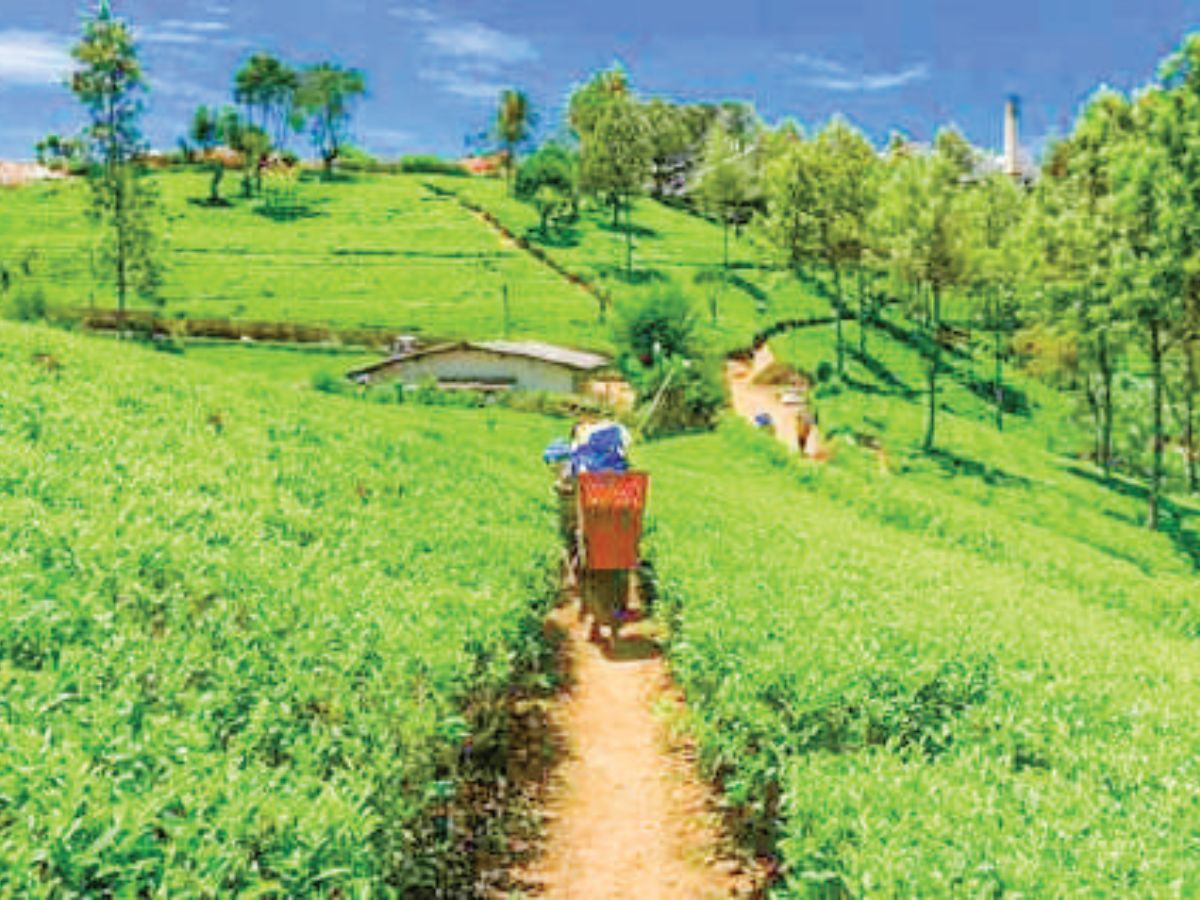
Guwahati: A rise in production combined with a surge in imports has caused Assam tea prices to plummet this year. Between January and June, tea imports from Kenya crossed 6.69 million kg, compared to 4.61 million kg last year—an increase of 45%. According to data published by Kenya’s Tea Board, last year the African country exported 13.7 million kg of tea to India, which was an increase of 288% over the previous year.
Major tea associations in Assam have expressed concern over increasing imports, particularly from African countries, and called for the constitution of a task force to protect the industry, a release said on Thursday. A delegation of Assam Bought Leaf Tea Manufacturers Association (ABLTMA), Bharatiya Cha Parishad (BCP) and North Eastern Tea Association (NETA) called on Tea Board India’s deputy chairperson, Arunita Phukan Yadav and submitted a memorandum on issues related to imports, routing of 100% dust grade tea through auctions and compliance of norms of the Food Safety and Standard Authority of India (FSSAI) on the use of pesticides.
Industry insiders have repeatedly voiced concerns that global competition, particularly from African countries, poses a serious challenge to the sustainability of Assam’s tea sector, which employs over a million workers directly and indirectly. The Assam tea industry is reeling under immense pressure due to the influx of cheaper Kenyan tea into the Indian market, said Atish Bagchi of Asitpur Tea Estate in Tenagkhat, Dibrugarh. Speaking to The Sunday Guardian, Bagchi said that “Kenyan tea is sold at cheap rates. Because of this, Assam tea has suffered heavily. Prices of green leaf and made tea have dropped steeply over the past two months.”
He added that the impact has been “very severe,” creating uncertainty for the industry’s future. “The effect is very bad, and it will continue in the near future,” he cautioned. Tea production in upper Assam is also up by around 20% this year. Prices have crashed also because of this oversupply.
According to Rajen Lohia, owner of the prestigious Manohari Tea Estate, the threat to Assam’s tea industry is coming from the low-quality, cheap tea imports from Kenya, Sri Lanka and Nepal. Speaking to this newspaper, Lohia said, “The entire Assam tea industry is under threat. In fact, it has crossed even the ‘danger level’. We were already struggling to survive, but now the situation is worsening because our tea is not selling. Nearly 50%-70% of our produce is being left unsold at auctions.”
He described the situation as a tragedy, adding, “It’s like burning your own house to watch the spectacle. While Government of India talks about ‘Make in India’ and promoting indigenous industries, low-quality tea continues to enter the Indian market unchecked. If this is not stopped immediately, not just Assam but the entire Indian tea industry will be on the verge of collapse.”
The influx of imported tea, particularly from Kenya, is creating a ripple effect across the Indian tea industry, said Sumit Agarwalla, executive member of the Assam Bought Leaf Tea Manufacturers’ Association (ABLTMA) and director of Botlif Factory, TEAMAFCO Pvt. Ltd. Agarwalla noted that while cheaper imports have already hit the Assam tea sector hard, the bigger worry is the uncertainty surrounding the actual figures of such imports.
“This is not just an Assam issue but a matter of grave concern for the entire Indian tea industry. Imported tea is affecting domestic prices, but whether the decline is fully attributable to these imports or other factors requires investigation,” he said.
Last year, extreme weather events led to crop loss, which shot up prices by around Rs 52—the best ever price realisation witnessed by the industry since the Covid pandemic. Average prices last year between April and October were around Rs 253, compared to Rs 200.08 in the previous year.
Another big challenge for the tea garden community is their livelihood. Women and daily wage workers are struggling to make ends meet due to lower income and the fluctuations in the supply and demand in terms of workers and work. Anima Kagti, a tea worker from Dibrugarh district, shared her ordeal. “We do our regular duty from morning till evening. We get our daily requirements through our daily wage work. We have one problem: we get Rs 250 along with food. But prices of daily essentials are rising daily; it has become very difficult for us to sustain our lives,” she said.
