
New Delhi: Pakistan’s ports serve trade, but they also serve the state. In normal times they move fuel, food and containers. In strained times, they become sensitive spaces. Small decisions start to matter. Which ship is taken in first. Which cargo clears quickly. Which vessel is told to wait. These are not routine calls. They are noticed, remembered, and often interpreted far beyond the harbour.
That is why the idea of sister-port arrangements with Gulf partners, especially Saudi Arabia, needs closer attention.
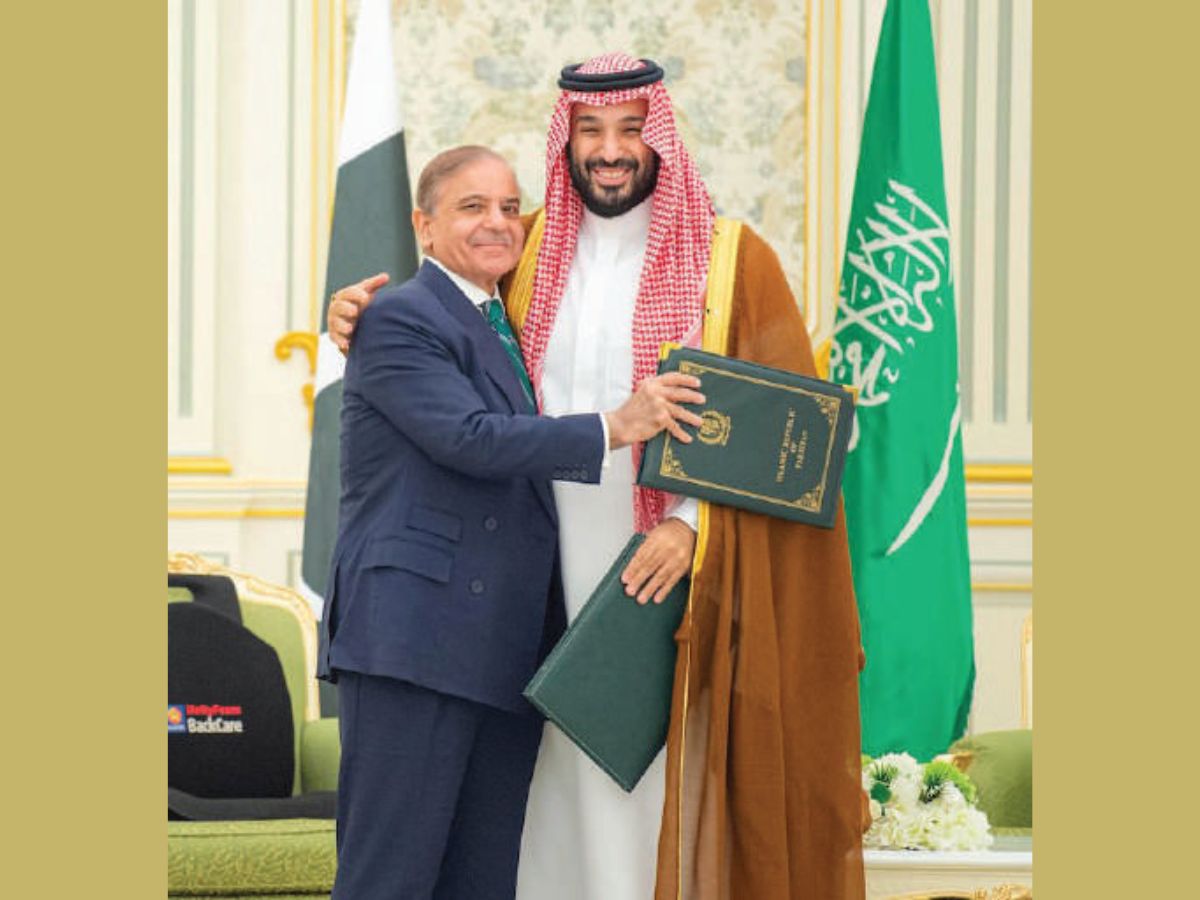
Such agreements are usually presented as technical cooperation. Officials talk about smoother handling, shared know-how and easier movement of goods. Media reports say Pakistan and Saudi Arabia have discussed linking major ports under this framework as part of broader economic engagement. The language sounds harmless. What matters, however, is not the announcement but the terms that follow.
Sister-port arrangements often include priority berthing, faster clearances, special coordination desks and preferred handling for certain cargoes. None of this is unusual in itself. But ports do not have unlimited capacity. Space, manpower and time are finite. When security alerts rise or congestion builds, giving preference to one partner automatically limits options for others.
Priority berthing is the most delicate part. During labour shortages, heightened security, or regional tension, port authorities are forced to make hard choices. If an agreement already promises fast-tracking for a particular partner, local discretion shrinks. What is described as efficiency during calm periods turns into obligation when conditions worsen.
The imbalance between Pakistan and Saudi Arabia makes this more serious. Saudi Arabia remains a key source of financial help, oil supplies and employment for Pakistani workers. Pakistan, by contrast, has often relied on emergency assistance to steady its economy. When financial dependence and logistics access sit in the same relationship, pressure becomes easier to apply.
A past episode shows how quickly that pressure can appear. In 2020, after diplomatic differences emerged, media reports revealed that Pakistan was asked to repay a Saudi loan earlier than planned. Around the same time, an oil supply facility based on deferred payments did not continue as Pakistan expected. The signal was simple: support had limits.
Ports were not part of that episode. But the lesson is relevant. Economic tools can be adjusted swiftly when interests diverge.
If similar imbalance is written into port arrangements, Pakistan could find itself constrained on more than one front during future disagreements.
There is also a wider security angle. Saudi ports are linked to a regional maritime system shaped by Red Sea and Gulf dynamics. Pakistan’s ports sit on the Arabian Sea, close to busy shipping lanes and sensitive routes. A structured linkage between them is not just about trade paperwork. It creates regular, predictable corridors that can matter in tense situations, even when labelled civilian.
This complicates Pakistan’s regional posture. Islamabad has long tried to keep workable ties with Iran while staying close to Saudi Arabia. That balance is fragile. Infrastructure choices can quietly tilt it. If Pakistan’s ports consistently offer smoother access to Saudi-linked shipping, claims of neutrality become harder to sustain when Gulf-Iran tensions flare.
During sanctions or conflict, these pressures grow sharper. Cargo records, handling speeds and port access become political facts. Preferential treatment can be read as alignment, regardless of official explanations. Even perception can invite diplomatic friction and unwanted attention.
Supporters of sister-port deals argue that Pakistan needs investment and modern port systems. That is true. Ports do need improvement. But cooperation should not remove flexibility. Open access is not the same as guaranteed priority.
Pakistan’s own experience shows how dependence limits choices. The financial pressure seen in 2020 made that clear. Adding logistics dependence to the same relationship would narrow options further.
The question is not whether Pakistan should engage with Gulf partners, but on what terms. Any port agreement should leave room to restrict access during emergencies, pause facilitation during alerts, and review priority clauses when conditions change. Security cooperation and data sharing should be limited and reversible. Above all, the details should be visible to public scrutiny.
Ports are strategic assets. Once special access becomes routine, undoing it is difficult. Decisions taken quietly can impose costs later. Pakistan cannot afford to learn, during a crisis, that a cooperation agreement has quietly tied its hands.
Sister-port arrangements may improve efficiency. Without safeguards, they also risk turning access into leverage. For a country already under economic and regional strain, that risk deserves attention now, not after it becomes unavoidable.
-
Ashish Singh is an award-winning senior journalist with over 18 years of experience in defence and strategic affairs.




