
New Delhi: For anyone who has followed Pakistan’s power sector over the past 20 years, the latest push for new projects feels painfully familiar. Once again, policymakers are reaching for more generation capacity when the real crisis lies elsewhere. The plan to move ahead with the Azad Patan and Kohala hydropower projects and the Gwadar coal-fired plant, adding about 2,100 MW, comes at a time when Pakistan already has surplus electricity on paper. It reflects a pattern—build more plants, avoid hard reforms.
Pakistan’s problem today is not lack of megawatts. It is the way those megawatts are managed, moved and paid for. Over the last decade, large projects—many under CPEC—have increased installed capacity. Yet consumers still face high tariffs, outages and unreliable service. This gap between “capacity on file” and “power in the home” is the heart of the crisis. It is caused by a mix of circular debt, weak transmission, power theft and poor governance. New plants do not fix any of these.
Circular debt is the most visible symptom. The power sector owes trillions of rupees. A key driver is capacity payments to independent power producers. Under these contracts, the state must pay even if the plants do not run at full load. Adding more projects under the same model simply raises the fixed bill. When demand is weak or the grid cannot carry the power, these plants sit underused but still earn their guaranteed payments. The cost is pushed onto the budget and, finally, onto the consumer’s bill.
Transmission and distribution are the second major weakness. Much of the grid is outdated and overloaded. Power often has to move from southern generation hubs to northern and central demand centres through narrow, fragile corridors. When those lines are constrained or trip, plants cannot dispatch fully. The result is a paradox, which is idle capacity alongside loadshedding. To talk of 2,100 MW of new generation without a serious, funded plan to modernise the grid is to repeat old mistakes. It is like buying more taps when the main water pipe is cracked.
Power theft and system losses make the picture even darker. Pakistan loses a large part of its generated electricity to technical losses and illegal connections. Distribution companies fail to recover full bills from many areas. Yet the state still owes full payment to producers, including for power that never reaches a paying customer. In this context, new power plants are not a sign of strength. Instead, they are fresh liabilities added to a leaking system.
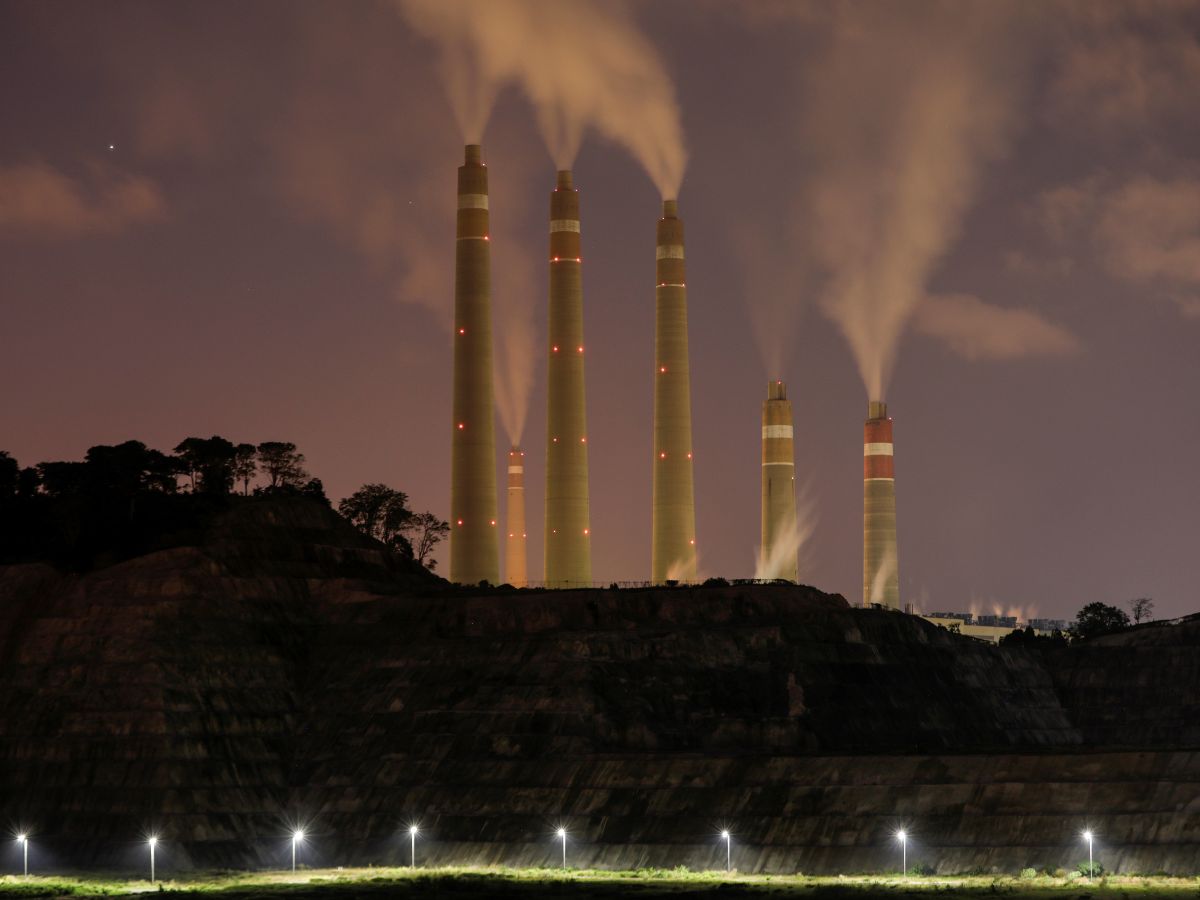
The Gwadar coal-fired power plant deserves special scrutiny. Coal is already under pressure worldwide because of its pollution and role in climate change. Pakistan is among the countries most exposed to climate shocks, from floods to heatwaves. Committing to a new coal plant in a coastal city adds long-term health, environmental and economic risks. It is also out of step with global trends and even with China’s own language about “green” Belt and Road projects. Gwadar needs reliable electricity, but it does not have to come from a large imported-coal plant.
There are cleaner, more flexible options for Gwadar and Balochistan—solar, wind and smaller gas-based units linked to a modernised grid. These could meet local needs without locking the country into decades of coal dependence. The choice of coal suggests that strategic optics and CPEC politics have outweighed careful economic and environmental assessment.
The hydropower projects at Azad Patan and Kohala look better on paper because they are renewable once built. However, they also come with high capital costs, long construction periods and complex water and regional issues. At a time when Pakistan’s finances are weak and IMF programmes are a recurring reality, every big-ticket project should face hard questions. Can the country truly afford more long-term liabilities when the existing fleet is underused and the sector is drowning in debt?
China’s National Energy Administration is reportedly visiting to study transmission losses and make recommendations. That visit points toward what the real priority should be—fixing the grid, cutting losses, reforming distribution companies and cleaning up the tariff and payment structure. These are difficult, politically sensitive tasks. They involve confronting theft, enforcing contracts, improving governance and, where needed, renegotiating harmful power purchase agreements. But without this hard work, more megawatts will only mean more debt.
Another concern is the growing dependence on a single foreign partner for finance, technology and policy direction. Many of these projects are funded by Chinese loans and executed by Chinese companies. If the plants remain underutilised or uneconomic, Pakistan will still have to service the debt. The political leadership of the day may celebrate new groundbreakings, but future governments and citizens will carry the repayment burden.
An honest appraisal of Pakistan’s energy future would start from a simple principle, which is to stop building what cannot be used properly and start repairing what already exists. The sequence matters. First, stabilise the sector by addressing circular debt, improving grid reliability, cutting losses and strengthening institutions. Then, based on realistic demand projections and grid capacity, decide where and what kind of new generation is truly needed.
Continuing to announce large projects while the basic system remains broken is not a development strategy. It is a way of postponing difficult choices and passing costs to the next government and the next generation. Unless Pakistan changes course, the three new projects now on the table may become symbols not of energy security, but of yet another missed opportunity to fix a failing power sector.
-
Ashish Singh is an award-winning senior journalist with over 18 years of experience in defence and strategic affairs.




