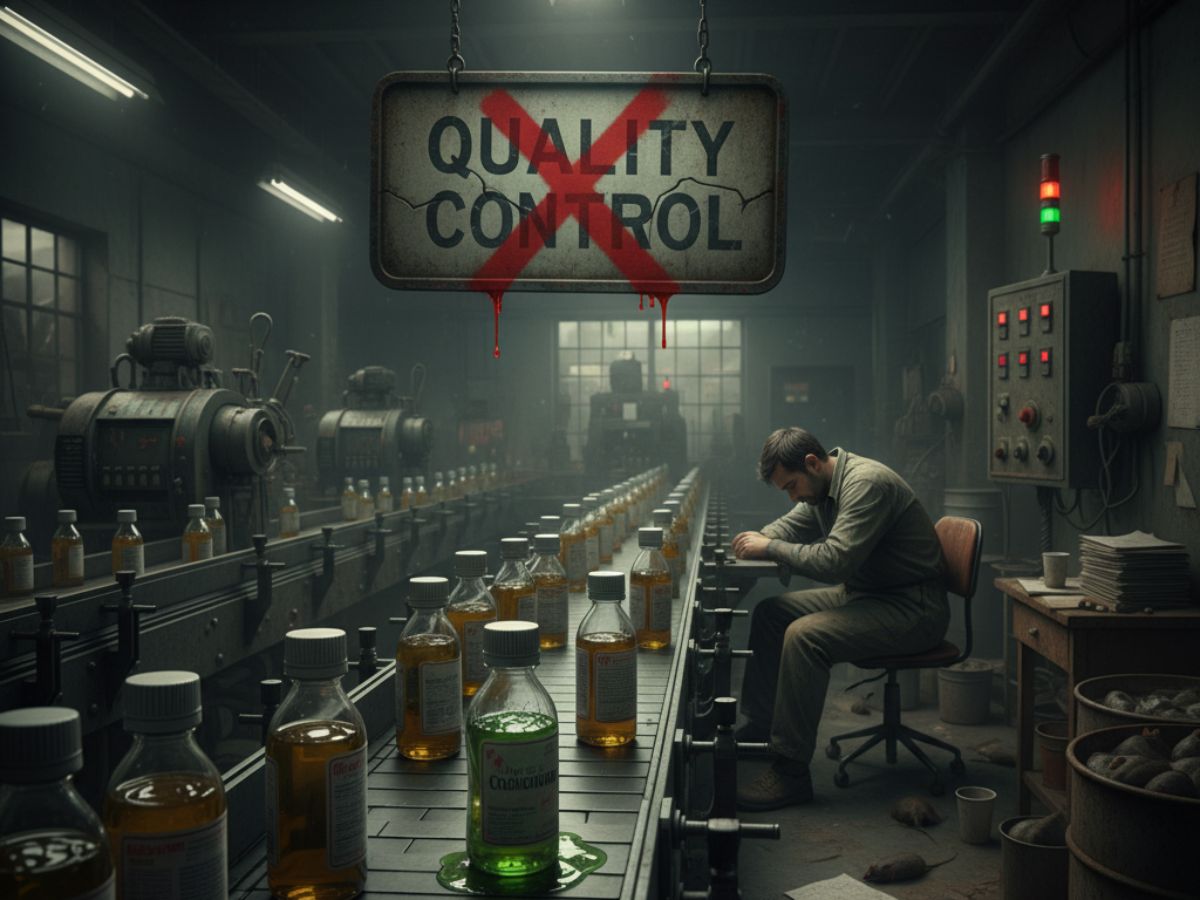
Strict quality control is essential during the production of propylene glycol and its raw materials to ensure purity and safety.
Bengaluru: In January of 2023, the WHO accused Indian cough syrups of causing the deaths of children in Gambia and Uzbekistan, defaming India, the Pharmacy to the world. The controversy was about the presence of Diethylene glycol and Ethylene glycol as contaminants in Propylene Glycol, an excipient in cough syrups. The recent deaths of children in Rajasthan and Madhya Pradesh due to toxic cough syrups have again highlighted the danger of adulterated children’s cough syrups. Cough syrup samples collected from more than 100 pharma units in the country in mid-2024 failed quality tests, according to a government report, which highlighted that some had the same toxins that were found in the cough syrups that were linked to deaths of children in Gambia, Uzbekistan, and Cameroon.
Excipients are inactive substances like colouring agents, preservatives, and fillers. Excipients contribute to the drug’s texture, taste, colour, and stability. Popular excipients in syrups include solvents like water, ethanol, and Propylene glycol, preservatives such as parabens and sodium benzoate, stabilizers, sweeteners like sorbitol and sucrose, artificial sweeteners like sucralose and aspartame, flavouring agents, colorants, and thickening agents like hydroxyethyl cellulose. Solvents are used to dissolve the Active Pharmaceutical Ingredients (APIs). Popular excipients in cough syrups include Glycerol (Glycerine), acting as a sweetener, humectant (retains moisture), thickener, and demulcent; sweeteners like sucrose and sorbitol to mask active ingredients’ bitterness; thickeners such as cellulose derivatives to provide the desirable viscous syrup form; and flavours and colours, like menthol and natural caramel, to improve palatability. Propylene glycol is a chemical alcohol, but it is not the kind of alcohol found in alcoholic beverages.
Glycerol (Glycerine) differs chemically from propylene glycol (PG) in having just an extra hydroxyl group, three instead of two in PG. Both are colourless, odourless, sweet, and syrupy. Glycerine is obtained from natural fats and oils, hence safe, but it is a thicker and less effective solvent than PG. PG is a synthetic, petrochemical product that may contain toxic Diethylene glycol and Ethylene glycol as impurities or adulterants. PG is preferred over glycerine in children’s cough syrups because it is less viscous (thinner) and is a more effective solvent and antimicrobial agent. Strict quality control is essential during the production of PG and its raw materials, to ensure the purity and safety of PG, and that the Diethylene glycol and Ethylene glycol content is minimal and within safe limits. PG is used by the chemical, cosmetic, food, and pharmaceutical industries. Use of industrial-grade PG by food and pharmaceutical industries has fatal consequences, just like the presence of Methanol, a highly toxic industrial alcohol, in Ethanol, a relatively safe alcohol in beverages.
The Drugs and Cosmetics Act, 1940, and rules, 1945, as amended to date, regulate the import, manufacturing, and distribution of drugs in India and ensure that the drugs and cosmetics sold in India and exported are safe, effective, and conform to standards of quality as defined under sections 8 & 16. Section 18 prohibits the manufacture and sale of any substandard, misbranded, adulterated, and spurious drugs and cosmetics, and Section 27 enumerates various stringent punishments for violations by manufacturers and traders, including those unlicensed, and Section 13 specifies punishment for such imported drugs. The Drugs and Cosmetics Amendment Act 2008 provides stringent penalties for the manufacture of spurious and adulterated drugs. Drugs and their manufacture come under the concurrent list, whereas Public health and sanitation are state subjects. The State Drug Control Department regulates the manufacture, sale, and distribution of drugs, while the Central Drug Standard Control Organization (CDSCO) authorities are responsible for the approval of new drugs, clinical trials, laying down the standards for drugs, control of the quality of imported drugs, coordinating the activities of State Drug Control Organisations, and providing expert advice. Both the CDSCO and the Food Safety and Standards Authority of India (FSSAI) are under the Ministry of Health & Family Welfare. Many large states with big pharma industries have multiple drug testing laboratories, but some of the states that have offered tax incentives to attract drug manufacturers do not have labs or qualified staff to ensure quality control. Most states have a shortage of drug inspectors, as most of the vacancies have not been filled due to litigation or local political interference, leading to non-enforcement and corruption.
A lack of stringent testing and verification throughout the supply chain can allow contaminated raw materials to reach manufacturers. Insufficient oversight during the manufacturing of PG can lead to contaminated batches entering the supply chain. Inadvertent mistakes during handling or processing can also lead to contamination. States with less robust quality assurance and resources are more susceptible to these issues in unlicensed or unregulated factories that kill innocent children, cause loss of trust in, and bring disrepute to the entire health industry.
Dr P.S. Venkatesh Rao is a Consultant Surgeon, Former Faculty CMC (Vellore), AIIMS (New Delhi), and a polymath in Bengaluru.
