Under reforms that are either completed or nearing completion during Modi 3.0, India is evolving into the ideal investment alternative to China, the prime security threat of both the US and India.
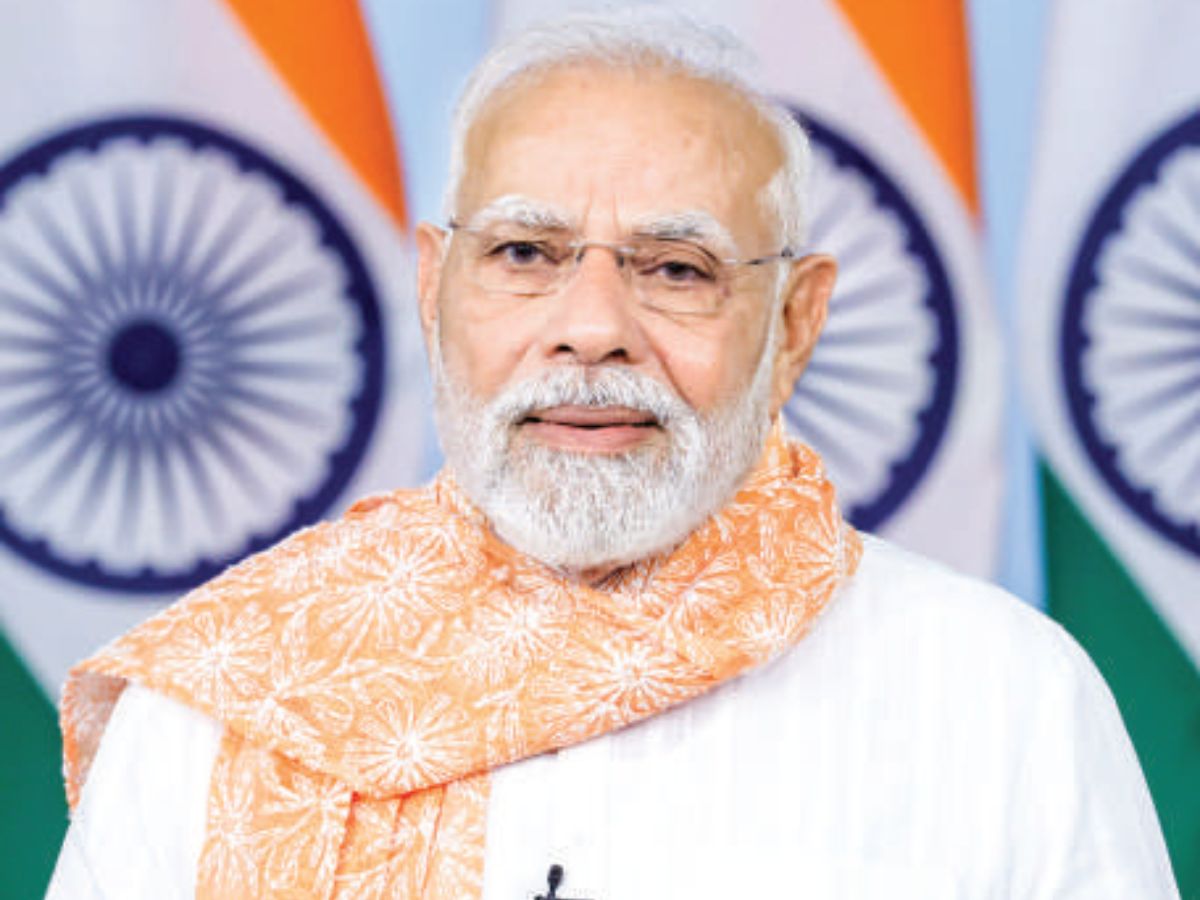
New Delhi: As he looks back on his stint as Prime Minister of the most populous democracy in the world, PM Narendra Modi is witnessing a country very different from what it was in 2014. From books to movies to lifestyles and attitudes, there has been a 180-degree shift since 2014.
From the Insular Indian to the Global Indian, waves of inventions and innovation are adding quality to the world, although several of the patents and such innovations are being secured abroad. By the close of Modi 3.0, the promise is of ensuring a regulatory system that better creates growth rather than seek to stifle. Whether it be Google or Microsoft, each started out as an idea that found the soil needed to grow and flourish exponentially.
Citizens of India are being promised a nourishing system secured through the intermeshing of laws and procedures by or soon after October 20. The expectation of the taxpaying public is that GST and other forms of taxation will be reformed further. Such a move would unlock the spirit of domestic expansion, rather than concentrate on expanding overseas empires.
The professional class in SMEs and MSMEs along with others in the middle class are large in numbers and hence in votes. In some carefully researched calculations, the growing middle and professional class can make or unmake as many as 235 Lok Sabha seats now, and more in 2029. PM Modi liberated the private sector and empowered the citizens through a rapid increase in digital literacy, not objectives shared by several other parties in the political spectrum. Should the 2029 Lok Sabha polls go awry, the implications would be immense in India for over a generation. PM Modi is aware of this fact, and hence the rising probability of thorough-going reform of policies and regulations by the time the 2029 Lok Sabha polls are held.
The emphasis of the Government of India will not just be on Make in India, but more and more of Make by India. A corollary would be buying less from abroad so that the trade deficit gets reduced and thereafter reversed. The ten largest contributors to the trade deficit need to work in accordance with this fact, so that in their case as well, the spirit of Atmanirbhar Bharat will replace the Buy from Abroad mindset.
Achieving such an objective is not merely an economic necessity but a political one as well. Assembly elections in Bihar are close, while the crucial Assembly contest in UP is in 2026. Winning Bihar would be key to keeping intact the NDA, in which the JDU led by Chief Minister Nitish Kumar is often, perhaps wrongly, portrayed as less anchored to the ruling coalition than the Telugu Desam-led by Chief Minister Nara Chandrababu Naidu.
Given the seat composition in the present Lok Sabha, the main opposition party with its 99+1 seats trails far behind the BJP with its 240 Lok Sabha seats. Whether in his role as Chief Minister of Gujarat state or subsequently as the Prime Minister of India, Narendra Damodardas Modi has never been complacent. The 2024 Lok Sabha seat tally for the BJP was far below its minimum expectations of 290 plus LS seats. Well before the last Lok Sabha polls, this columnist had warned that the effort of the international anti-Modi lobby was to restrict the LS toll of the ruling party to 220 seats.
This time around, based on information reaching him from sources with access to privileged information, the effort is to restrict the Lok Sabha tally in 2029 to 150 seats or less, a target of the Opposition mentioned earlier by this columnist. Hence their tone is becoming more aggressive with the passage of time moving towards the 2029 polls.
Given the scale of the economy since 2014, the glow of Bharat is spreading across the world, causing joy in some locations and dread in others. The Prime Minister has shown through his diplomacy that he knows fully which countries are in the former sphere and which in the latter. Hence his warm response to a change in tone to a more favourable one by President Trump.
It is welcome that President Trump has finally filled the vacancy caused by Roosevelt House within the 27 acres of the US Embassy in Delhi because of the swearing in of President Donald J. Trump on January 20. The personal choice of President Trump, Sergio Gor, merits attention because of the fierce loyalty he has long shown to Donald J. Trump. As a consequence, he has established the trust of the family of the US President. Most significantly, he is regarded as having access to not just the President but to his eldest son, Donald J. Trump Jr.
What it is certain PM Modi has recognized and appreciated in Trump Jr is his being by far one of the strongest voices defending Trump Sr during the hell the President and those close to him endured during the Biden Presidency. During those years, few believed that Donald J. Trump had anything awaiting him than a prison cell. Several of his Cabinet colleagues and confidants deserted Trump during those years, many sharing their personal views on their former boss in books and on television. Only a handful, including a few from across the aisle such as Tulsi Gabbard, stood by Trump and defended him.
Now that he is back in the White House, Trump has ensured that only such loyalists are chosen to head the prime slots in his administration, a sagacious move considering the cutthroat atmosphere in parts of the Washington DC Beltway. Ambassador Gor has shown refreshing candour by saying that his task would be to delink India from China where matters of national security are of concern to both the US and India. Ambassador Gor can succeed, not by the threats and bullying that have shockingly been expressed by some within the Trump administration, but in understanding the reasons why India is standing firm on such trade issues as are of life and death significance to hundreds of millions of citizens of India.
Under reforms that are either completed or nearing completion during Modi 3.0, India is evolving into the ideal investment alternative to China, the prime security threat of both the US and India. Now into his 75th year, PM Modi is working energetically along with select Cabinet colleagues to ensure that not even a fragment of the licence raj remains behind. Now start-ups based in India have the policy framework they require to grow exponentially. Equally importantly, relocating to India in order to compete and overcome competition by China in several markets has become an imperative.
Japan, South Korea and European businesses are looking at shifting more and more of their operations to India, as are several US companies, many of which are already in production in India. Not just demographically but in terms of financials, India is securing an advantage over China, thereby soon becoming the third largest economy in the world after the US and China. At the same time, PM Modi is emerging as an inspiration to leaders of countries in the Global South, as shown by the number of countries that have bestowed on him their highest state honour.
Economic rates of growth have ensured that regime change in India has failed to take place despite multiple efforts at causing mob mayhem in the way, most recently, the Nepal government was forced to resign en masse and hand over power to those whom the youth of Nepal in particular preferred. And a speeding up of economic growth accompanied by an increase in the well-being of the disadvantaged will ensure that regime change does not take place through the ballot either in 2029.
