
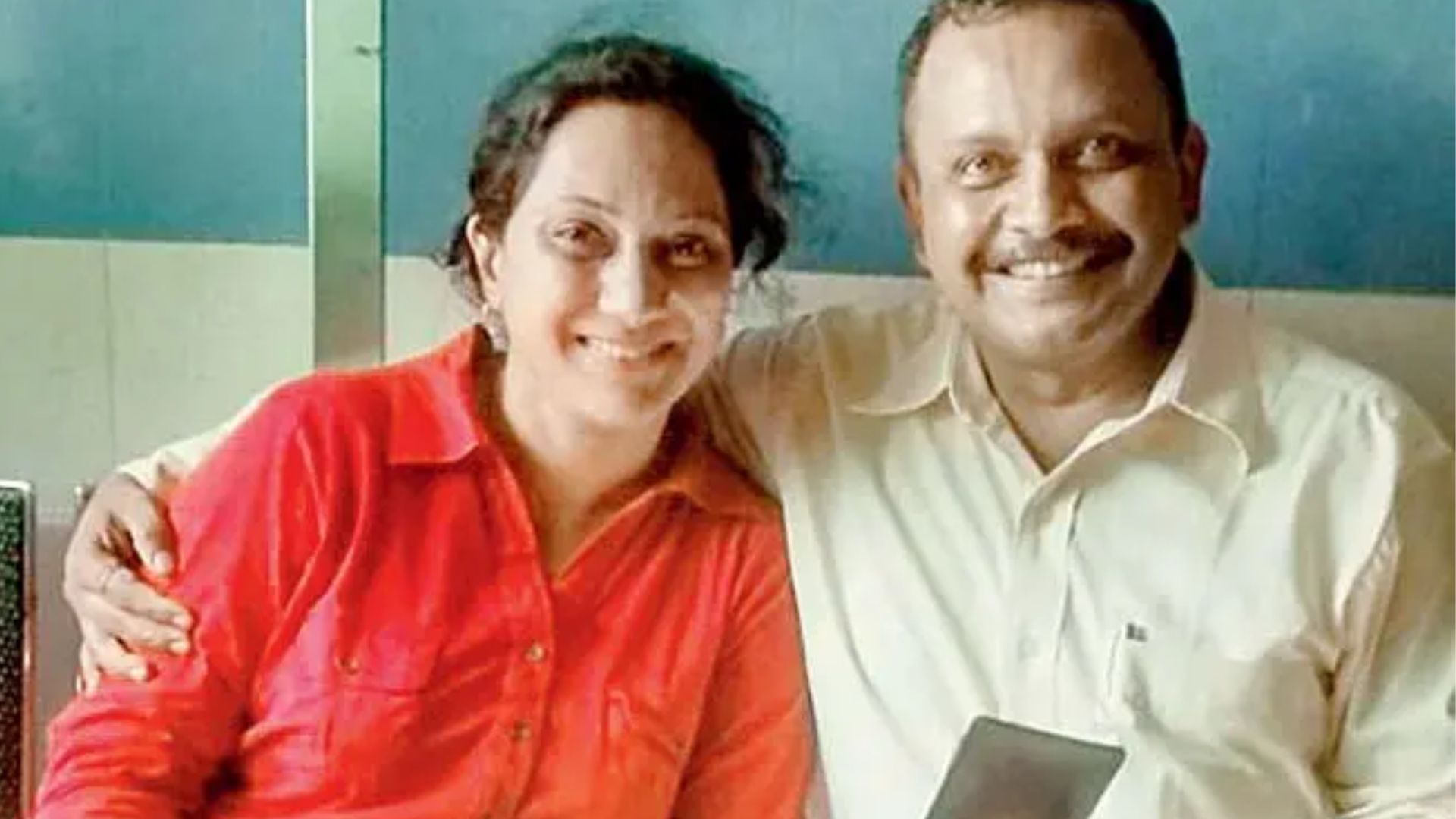
Days after Lieutenant Colonel Prasad Shrikant Purohit was acquitted by a special NIA court in the 2008 Malegaon blast case, his wife Aparna Purohit broke her silence, calling the court verdict not just a personal victory but a broader vindication of truth and institutional integrity. In an exclusive conversation with The Sunday Guardian, Aparna Purohit shared the emotional, legal, and psychological toll the 15-year-long battle had taken on her family—and why, despite the ordeal, she never gave up hope.
Q: Now that Lt Col Purohit has been acquitted and has returned home, what emotions are you experiencing—as a wife, a mother, and someone who stood by him every step of the way?
A: It’s a sigh of relief that we as a family have experienced, and we’re thankful that it’s all over.
Q: There were persistent claims that he was framed. After everything you’ve seen and endured, do you feel forgiveness is possible for those responsible, or does the injustice still weigh heavily on you?
A: I feel it’s God’s wish to punish or otherwise. I am no one to forgive. But I am a staunch believer in Karma, so all will be taken care of by Nature and God.
Q: Having followed the legal battle closely and reviewed the evidence over the years, do you believe there was a deliberate attempt to target him? And if so, why him?
A: There was a definite attempt to target him, for reasons best known to those who did it.
Q: Do you believe the court’s verdict has dismantled the political narrative of so-called “Hindutva terror”, or has the damage to reputations and institutions already been done?
A: I feel with this verdict, our great institution—the Army—has come out clean, and I am glad that the reputation of our country has been saved. The fake narrative has been destroyed, and so has the fake case
Q : Was there a moment during the legal battle when you felt overwhelmed or close to giving up? What gave you the strength to continue?
A: It has been a long-drawn battle, and it is but natural that things did get overwhelming—especially when the hearing for his bail application was taking too long. The bail hearing went on for five years, and at times, there was no light visible at the end of the tunnel. But my faith in my husband—that he was suffering as an innocent man—kept me going. I always knew that truth would prevail, and God has given me the strength to go on.
Q: Looking back, do you feel that the Army, the government, or sections of the media failed in their duty to protect the honour and rights of a serving officer and his family?
A: The Army has always been a huge support. We always believe in the systems and the institutions. But some people within these institutions failed to perform their duties, and their wrong actions led to grave consequences. An Army officer becomes quite vulnerable due to the nature of his duties, and if such things happen, it will be difficult for an officer to perform his expected duties. That’s why every citizen must be responsible enough before making such allegations.
Q: With this legal chapter now closed, do you intend to write or speak publicly about your experience—not just as a personal story, but as a warning about how the system can be misused?
A: It’s absolutely correct— this is a warning, and it is actually my duty to do so. But frankly speaking, I am too tired from this ordeal, and this closure has yet to sink in. However, I will definitely consider writing about my experience.




