
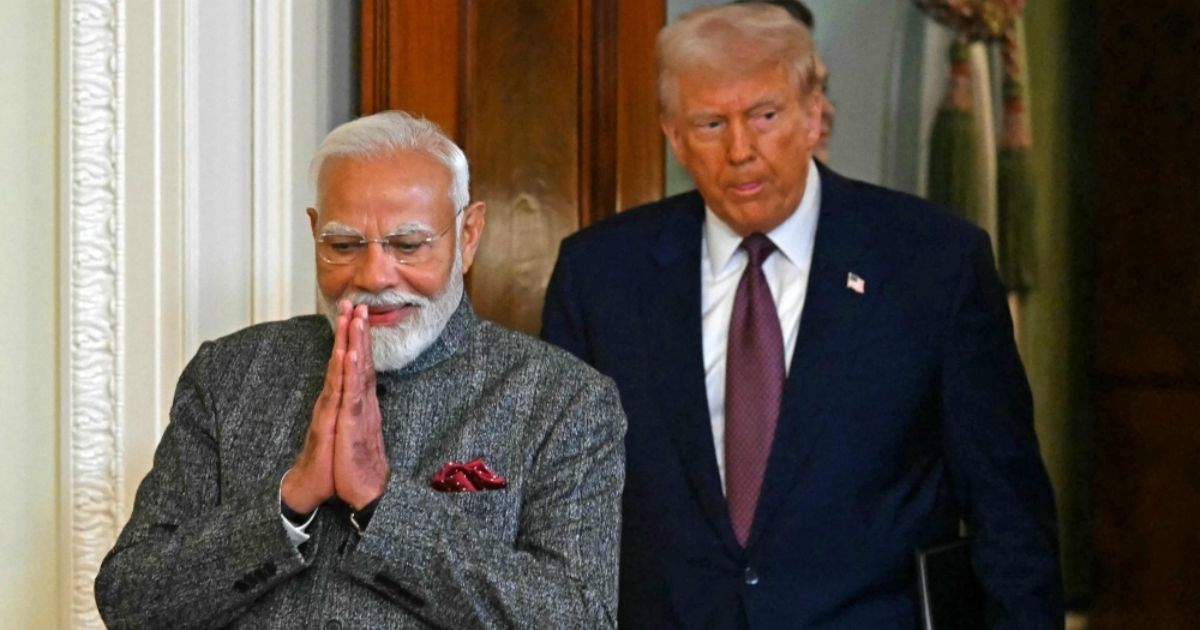
New Delhi: India’s refusal to concede ground despite sustained U.S. pressure on Wednesday drew an expected response from U.S. President Donald Trump, who announced a 25% tariff on Indian imports along with an unspecified “penalty,” effective 1 August.
In a statement laced with childish grievance, Trump clubbed India with Russia and China—accusing New Delhi of high tariffs, “obnoxious” trade barriers, and continuing military and energy partnerships with Moscow.
At the core of Trump’s outburst lies a frustration that India, under Prime Minister Narendra Modi, has refused to align its economic and strategic choices with Washington’s expectations. This is being seen as another chapter in India’s insistence on maintaining strategic autonomy—a policy that has defined Modi’s external engagements, from defense procurements to energy security and multilateral diplomacy. It is also a policy that some influential quarters in Washington have long sought to curtail.
Despite months of backchannel talks and public nudges from American officials, official sources said India held firm on sourcing discounted oil from Russia, retaining its weapons contracts with Moscow, and declining to be drawn into bloc politics over Ukraine.
The recent Trump statement, laden with rhetoric, is being read as something that is intended more for a domestic political audience than for policymakers in New Delhi. It further underscores the unpredictability of Trump’s approach—even towards allies.




