
In a move that has stunned Latin America, the United States claims it has captured Venezuelan President Nicolás Maduro and flown him out of the country after a swift military operation in Caracas. President Donald Trump confirmed the arrest, calling it a decisive strike against what Washington views as a criminal regime.
The operation marks the most dramatic US intervention in South America in decades. It also revives memories of another January 3, when American troops removed Panama’s strongman, Manuel Noriega, 36 years ago.
What Happened in Caracas on January 3, 2026?
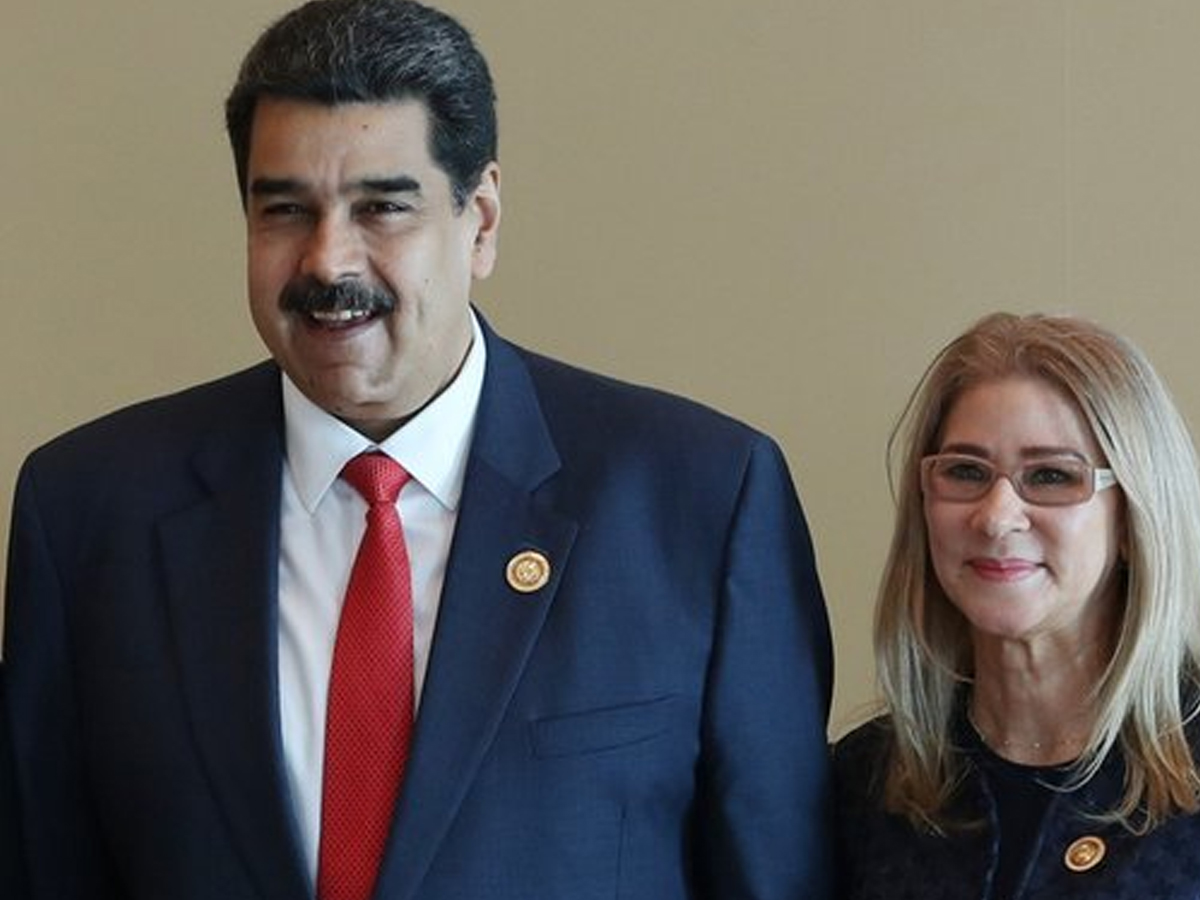
Early Saturday morning, explosions and military activity were reported across Caracas. Within hours, President Trump announced that US forces had “captured” Nicolás Maduro and his wife, Cilia Flores.
According to American officials, elite US military units carried out the raid in the heart of the Venezuelan capital and extracted Maduro by air. The operation unfolded quickly, leaving little time for resistance.
If accurate, it would be the first US capture of a sitting head of state in South America since the Cold War era.
Why the US Says It Acted
Washington does not recognise Maduro as Venezuela’s legitimate president, as the US has considered him an illegitimate ruler since 2019. Because of that position, US officials describe the mission not as an act of war but as a “counter-narcotics operation.”
For years, American prosecutors have accused Maduro of leading a drug-trafficking network known as the “Cartel of the Suns.” They allege he used state power to move cocaine into the United States.
In 2020, a federal court in New York indicted Maduro on charges of narco-terrorism. Recently, the US doubled the bounty for his capture to $50 million, signalling growing impatience with diplomatic pressure.
What Charges Does Maduro Face in the US?
US Attorney General Pam Bondi confirmed that Maduro and Flores were already indicted in the Southern District of New York. “They will soon face the full wrath of American justice on American soil in American courts,” she wrote.
The indictment accuses Maduro of conspiring to import massive quantities of cocaine and working with the armed group FARC. Prosecutors argue the operation aimed to “undermine the health” of the American people.
The narco-terrorism charge alone carries a possible life sentence.
The Panama Parallel: Why Manuel Noriega Matters
The situation echoes the US capture of Panama’s military ruler, Manuel Noriega, in January 1990. Like Maduro, Noriega faced US drug charges. Like Maduro, he claimed electoral legitimacy. Like Maduro, he became a personal target of American military power.
However, Noriega’s arrest took weeks, as he hid inside the Vatican embassy while US troops surrounded the area and blasted loud music to force him out.
Maduro’s reported capture happened in hours. The historical parallel suggests what may come next, as Noriega stood trial in Miami, spent decades in prison, and never regained power.
Who Takes Power If Maduro Is Gone?
Under Venezuela’s constitution, Vice President Delcy Rodríguez stands first in line. She would be required to call fresh elections.
However, real power may depend on the military, as the Interior Minister Diosdado Cabello remains a key figure. A former officer and loyalist of Hugo Chávez, Cabello has deep influence inside the security apparatus. Many analysts see him as a potential kingmaker.
Opposition leaders hope the moment opens a path to democracy. Others fear a power vacuum could spark unrest or civil conflict.
Why This Moment Matters Beyond Venezuela
This operation reshapes how the US signals power in the region.
By targeting a sitting leader directly, Washington sends a warning to other governments accused of criminal behaviour. It also blurs the line between law enforcement and military intervention.
Whether this move stabilises Venezuela or plunges it deeper into chaos remains uncertain. What is clear is that January 3 has once again become a turning point in Latin American history.




