US forces captured Venezuelan President Nicolas Maduro after strikes on Caracas. Trump announced temporary US control, citing narco-terrorism and oil security.
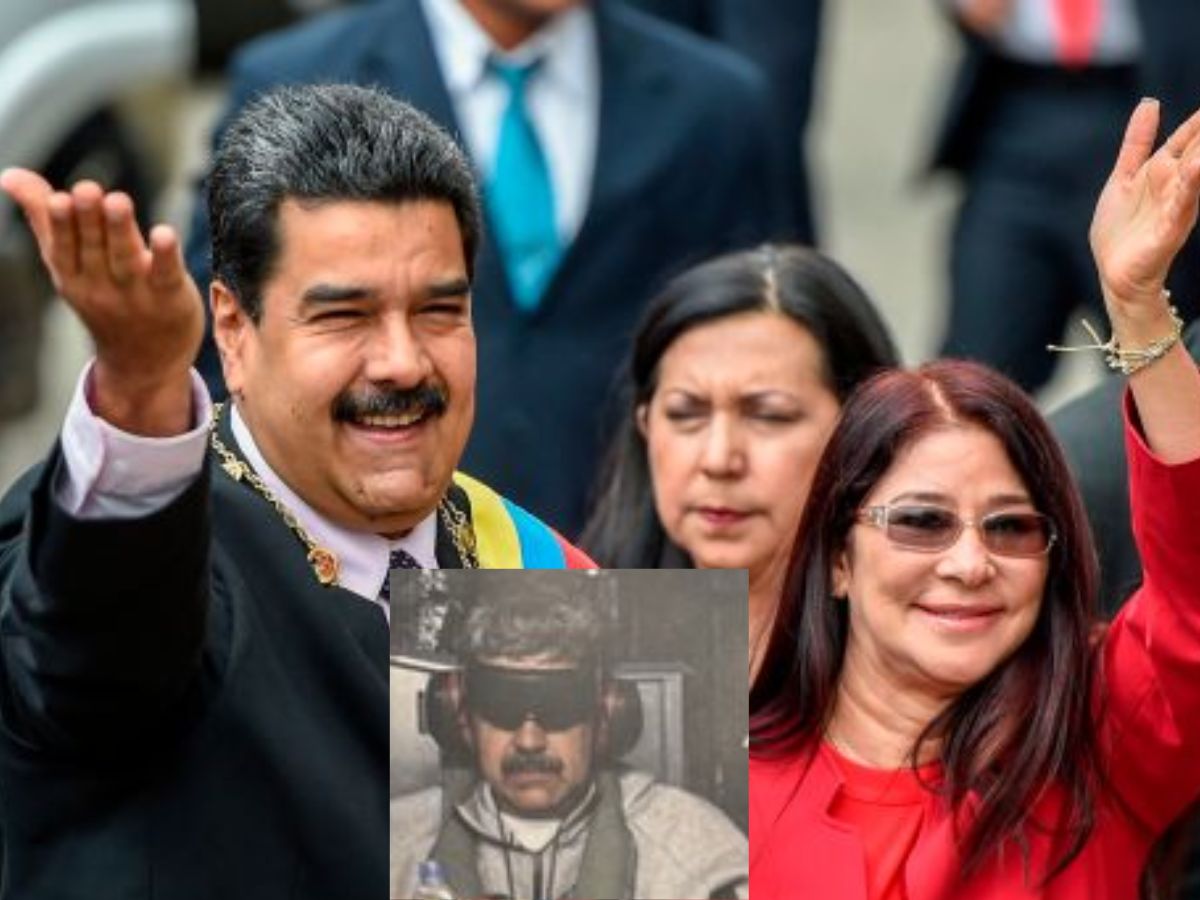
US forces captured Venezuelan President Nicolas Maduro after strikes on Caracas [Photo: X]
In a move that stunned the world and redrew the limits of foreign intervention, the US carried out a lightning military operation inside Venezuela, captured sitting President Nicolas Maduro, and announced temporary control over the country within hours.
Explosions in Caracas, low-flying jets, and sudden silence from Venezuelan authorities preceded President Donald Trump's declaration that the US would oversee Venezuela's transition of power, a decision that has sparked global outrage, legal questions, and fears of regime change by force.
Venezuela woke up to a political shock on Saturday. Loud explosions hit Caracas and other cities. Fighter jets flew low. Panic spread. Hours later, US President Donald Trump confirmed what many thought impossible.
US forces had captured Venezuelan President Nicolas Maduro and his wife, Cilia Flores. American troops flew them out of the country. Trump then announced temporary US control over Venezuela until a “transition” takes place. The operation marked one of the most dramatic foreign interventions in modern Latin American history.
Trump said US forces carried out “large-scale” military strikes before special units moved in. The operation combined air power and elite ground troops.
“The United States of America has successfully carried out a large-scale strike against Venezuela and its leader, President Nicolas Maduro, who has been, along with his wife, captured and flown out of the Country. This operation was done in conjunction with US Law Enforcement.” Trump wrote.
US forces first moved Maduro to a Navy ship offshore. They later flew him to the United States. Video footage showed a plane landing near New York under heavy security. Trump later posted a photo and wrote, "Nicolas Maduro on board the USS Iwo Jima."
Venezuela’s Supreme Court moved quickly. It ordered Vice President Delcy Rodriguez to take over as acting president. The ruling said she would assume the presidency “to guarantee administrative continuity and the comprehensive defense of the Nation.” The move aims to prevent a power vacuum as the country faces military pressure and political uncertainty.
US says drug trafficking drove the operation. US authorities accuse Maduro’s government of protecting major criminal networks. Maduro now faces four charges, including narco-terrorism conspiracy and cocaine importation conspiracy. Prosecutors allege links with violent cartels and armed gangs.
However, oil remains a key factor. Venezuela holds the world’s largest proven oil reserves. Trump openly linked future governance to energy interests. "We will run the country until we can do a safe, proper and judicious transition," Trump said. "We can't take a chance that someone else takes over Venezuela who doesn't have the interests of Venezuelans in mind."
World leaders reacted sharply. The United Nations raised concerns over international law. UN Secretary-General Antonio Guterres said he was “deeply concerned that the rules of international law have not been respected.”
China condemned the operation. Russia called it “an act of armed aggression.” "The pretexts used to justify such actions are unfounded. Ideological animosity has prevailed over business pragmatism and the willingness to build relationships based on trust and predictability."
Trump’s decision to place Venezuela under temporary US control has raised alarms worldwide. Critics argue the operation goes beyond law enforcement. Supporters say it removes a dangerous narco-state leader. Opponents warn it sets a precedent for military-led regime change under the banner of justice.
For now, Venezuela stands at a historic crossroads. The country has lost its president. The US has taken control. And the world is watching what comes next.
