
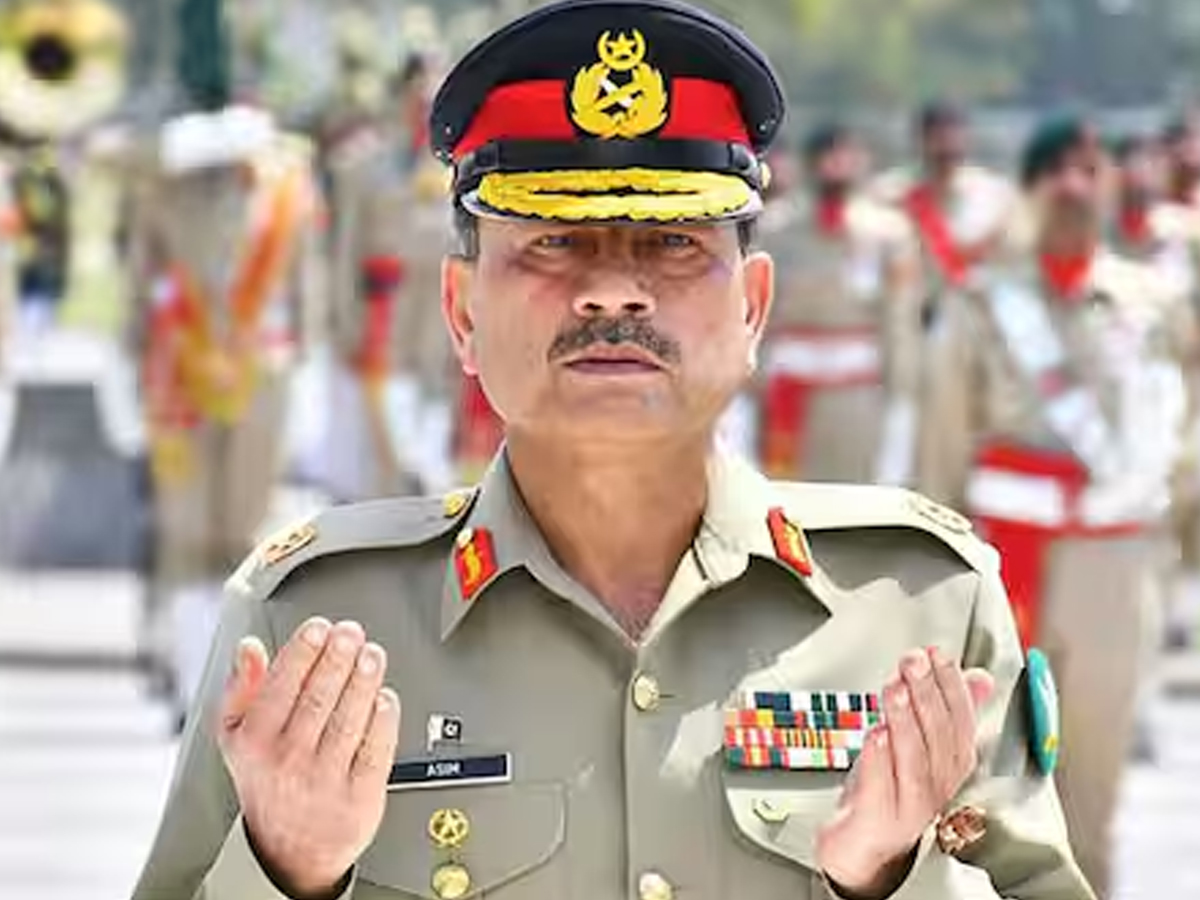
The recent wedding in Rawalpindi involving Pakistan’s top military family quietly placed one name in the spotlight, Captain Abdul Rahman. While the ceremony stayed out of the cameras, it triggered a wide discussion across political and defense circles. The groom’s background, career path, and close family ties to Pakistan’s most powerful general raised fresh questions about influence, privilege, and civil-military connections in the country.
Who Is Abdul Rahman?
Captain Abdul Rahman is the nephew of Pakistan’s Field Marshal and Chief of Defence Forces, Asim Munir. He is the son of Munir’s brother, Qasim Munir. Rahman previously served in the Pakistan Army, holding the rank of captain. After leaving active military service, he transitioned into Pakistan’s civil administration.
He currently works as an assistant commissioner. He holds this position under a quota reserved for former military officers. His career path reflects a common pattern in Pakistan, where retired or former army officers move into key civilian roles.
Marriage Into the Most Powerful Military Family
Abdul Rahman recently married Mahnoor Munir, Asim Munir’s third daughter. The wedding took place on December 26 at Munir’s official residence near the General Headquarters in Rawalpindi. The family kept the ceremony tightly controlled and away from public view.
No official photographs were released. The celebrations remained low-key despite the family’s status. Reports say nearly 400 guests attended the event.
High-Profile Guests Signal Influence
The guest list revealed the wedding’s political weight. Senior leaders from Pakistan’s civilian and military leadership attended the private event. Their presence sent a strong message about Abdul Rahman’s proximity to power.
Many observers viewed the attendance as a reminder of how closely Pakistan’s political leadership aligns with the military. Even a private family function became a display of institutional influence.
Career Path Raises Broader Questions
Abdul Rahman’s move from the army to the civil services has drawn attention. Critics argue that such transitions highlight unequal access to government roles. Supporters say his experience in the military qualifies him for administrative responsibilities.
The marriage further connects two generations within Pakistan’s military elite. Analysts believe this strengthens internal trust networks within the defence establishment.
Why This Wedding Matters Beyond Family
The wedding venue itself sparked debate. All ceremonies took place inside high-security military-controlled zones in Rawalpindi. Critics argue this shows how military spaces often blur into personal domains for top officials.
Supporters dismiss such claims and call the criticism unnecessary. They say the family chose privacy due to security concerns.
Civil-Military Balance Back in Focus
Though the event remained private, it renewed debate over Pakistan’s civil-military structure. Abdul Rahman’s identity as both a former army officer and a civil administrator places him at the center of this discussion.
The wedding highlighted how personal relationships, military careers, and governance remain closely linked in Pakistan. Abdul Rahman now stands not just as a groom, but as a symbol of that overlap.




