The Supreme Court allowed West Bengal’s electoral roll revision to continue, ordered state support, and limited micro observers to an assisting role.
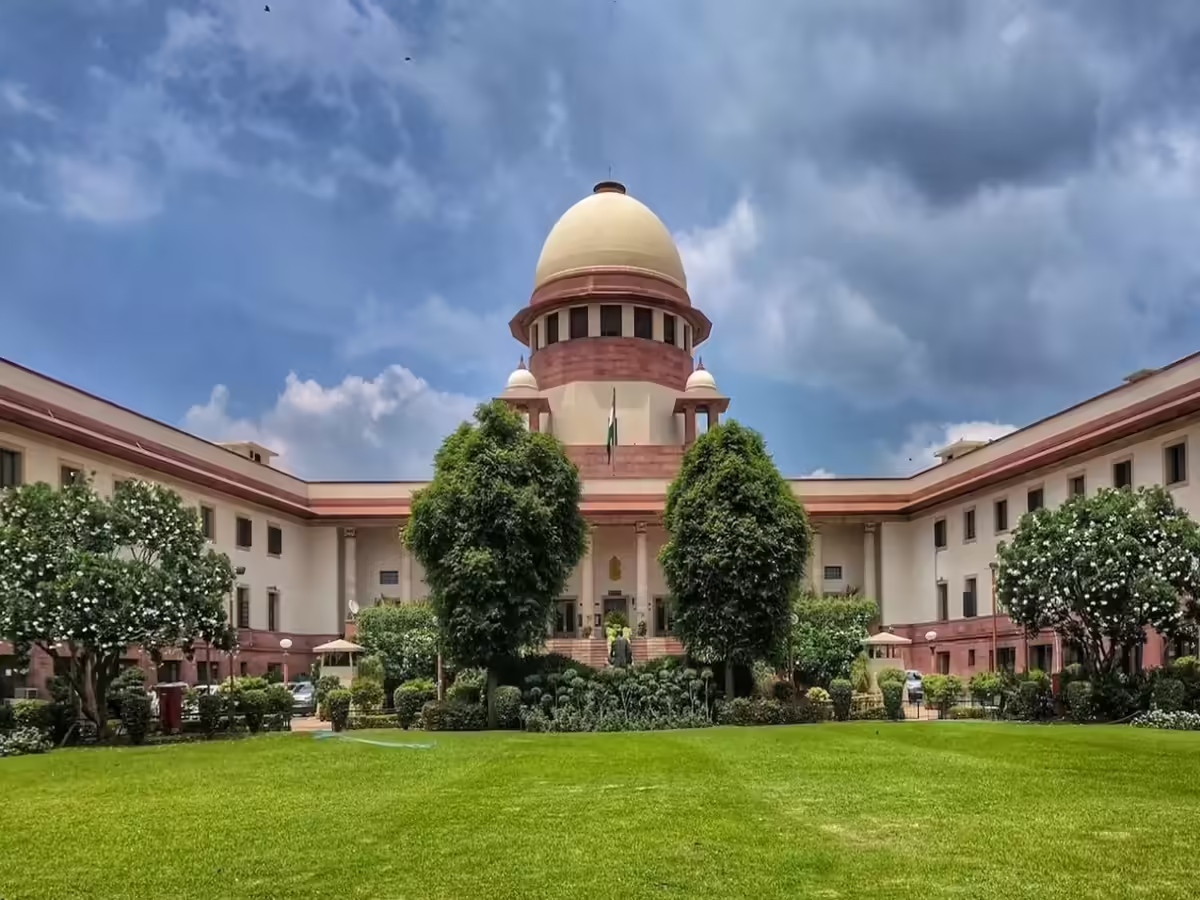
The Supreme Court hears petitions on West Bengal’s Special Intensive Revision of electoral rolls ahead of the Assembly elections (Photo: X)
New Delhi: The Supreme Court on Monday said it will not permit any obstruction to the ongoing Special Intensive Revision of electoral rolls in West Bengsl and issued a set of interim directions intended to ensure the exercise proceeds with administrative support from the West Bengal government.
The hearing came after West Bengal Chief minister Mamata Banerjee, in a rare and dramatic way, had personally appeared in the court in the last hearing to put across her objections.
On Monday, a bench led by Chief Justice Surya Kant, with Justices Joymalya Bagchi and N V Anjaria, clarified that micro observers deployed during the revision process are to function only in an assist Ive capacity and that the final statutory authority regarding inclusion or deletion of entries rests with Electoral Registration Officers and Assistant Electoral Registration Officers.
The court directed West Bengal state government to ensure that more than 8,500 identified officials are made available to district electoral authorities to support field verification and documentation.
It also asked the West Bengal Director General of Police to file a personal response to allegations by the Election Commission of India that officials engaged in the revision exercise had faced intimidation or disruption.
The bench did not stay the SIR and extended the operational timeline by about a week to allow newly deployed personnel to complete scrutiny of documents, reiterating that law and order must be maintained so the process continues without impediment.
The proceedings arise from multiple petitions linked to objections raised by the West Bengal government over the conduct and methodology of the revision ahead of the assembly elections that are slated for three months later.
The State has argued that aspects of the exercise risk wrongful exclusion of eligible voters and that certain verification practices require clearer procedural safeguards.
The Election Commission, in its submissions, has maintained that the revision is a statutory exercise aimed at improving the accuracy of electoral rolls ahead of elections and has alleged administrative delays and inadequate availability of suitable personnel at the field level. The Commission has said micro observers were introduced as an auxiliary mechanism where operational gaps existed and not as decision making authorities.
According to officials familiar with the State’s submissions, West Bengal has been pressing for removal of centrally deployed micro observers on the ground that it has already identified and made available a cadre of approximately 8,505 Group B officers. An indicative district wise list of these officers was furnished to the Commission earlier this month.
The State is also understood to have sought that any instance in which a micro observer disagrees with field level findings should not have independent effect, and that either the determination of the ERO or AERO should prevail or the flagged matter be formally remitted back to those statutory authorities for final decision.
The State has further sought directions that the Commission discontinue communicating operational instructions through informal digital channels and instead issue all procedures through formally numbered communications on official letterhead and place them on its website for transparency and auditability. In addition, West Bengal government has urged that no deletions from the electoral roll be carried out solely on the basis of name mismatch.
Following the hearing, the ruling Trinamool Congress issued statements on social media describing the court’s clarification on the limited role of micro observers as a rebuke to what it termed the ECI's overreach and asserting that the State had already deployed substantial manpower for the exercise.
The matter remains pending. The Supreme Court is continuing to monitor compliance with its interim directions.
