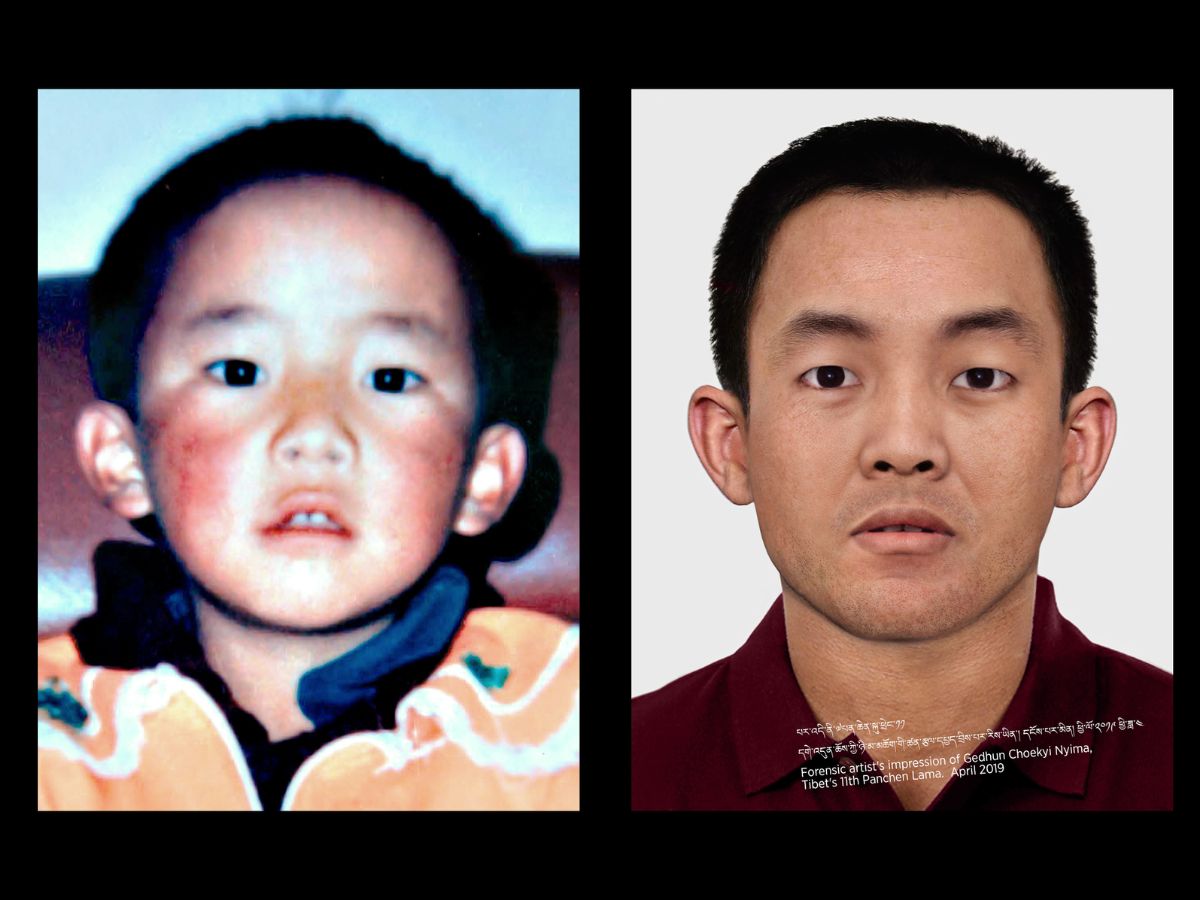
30 years of Panchen Lama’s disappearance (Image: Central Tibetan Administration)
China’s silence on the fate of the 11th Panchen Lama, Gedhun Choekyi Nyima, is not merely a Tibetan issue—it is a global test of religious freedom, human rights, and credibility. Calls for updates must be addressed because the disappearance of a six-year-old child in 1995 has become a 30-year wound that undermines China’s legitimacy and moral standing. The disappearance and its consequences: Gedhun Choekyi Nyima was abducted in May 1995, days after the Dalai Lama recognized him as the 11th Panchen Lama. He was only six years old. Since then, he and his family have not been seen for three decades. The Panchen Lama is not a peripheral figure: historically, the Dalai Lama and Panchen Lama recognize each other’s reincarnations. His disappearance is therefore a direct attempt to control Tibetan Buddhism’s succession. Why silence cannot continue. Human rights violation: The enforced disappearance of a child is among the gravest violations under international law. China’s refusal to provide credible information violates its obligations under the UN Convention on the Rights of the Child. Religious freedom: By replacing Gedhun Choekyi Nyima with a state-appointed proxy, Beijing has politicized spiritual leadership, undermining the authenticity of Tibetan Buddhism. Credibility gap: China often seeks recognition as a responsible global power. Yet its silence on the Panchen Lama erodes trust in its commitments to transparency and rule of law. The global dimension. The issue resonates beyond Tibet: it is about whether a state can erase a child from history and expect the world to forget. Restoring dignity: Even if China refuses to release him, providing verifiable updates on his health and whereabouts would acknowledge his humanity and the world’s concern. Reducing suspicion: Silence fuels speculation that Gedhun Choekyi Nyima may have suffered harm. Transparency would counter narratives of abuse. Building trust: Addressing this case could be a small but significant step toward repairing China’s fractured relationship with Tibetan communities and the international community. The Panchen Lama’s disappearance is not a relic of the past—it is a living injustice. China must provide credible updates, not only to honour the rights of one man and his family, but to demonstrate that it can act with dignity in matters of faith and humanity. Until it does, every call for information will echo louder, reminding the world that silence is complicity.
Nephew of the Dalai Lama, Khedroob Thondup is a geopolitical analyst.
