
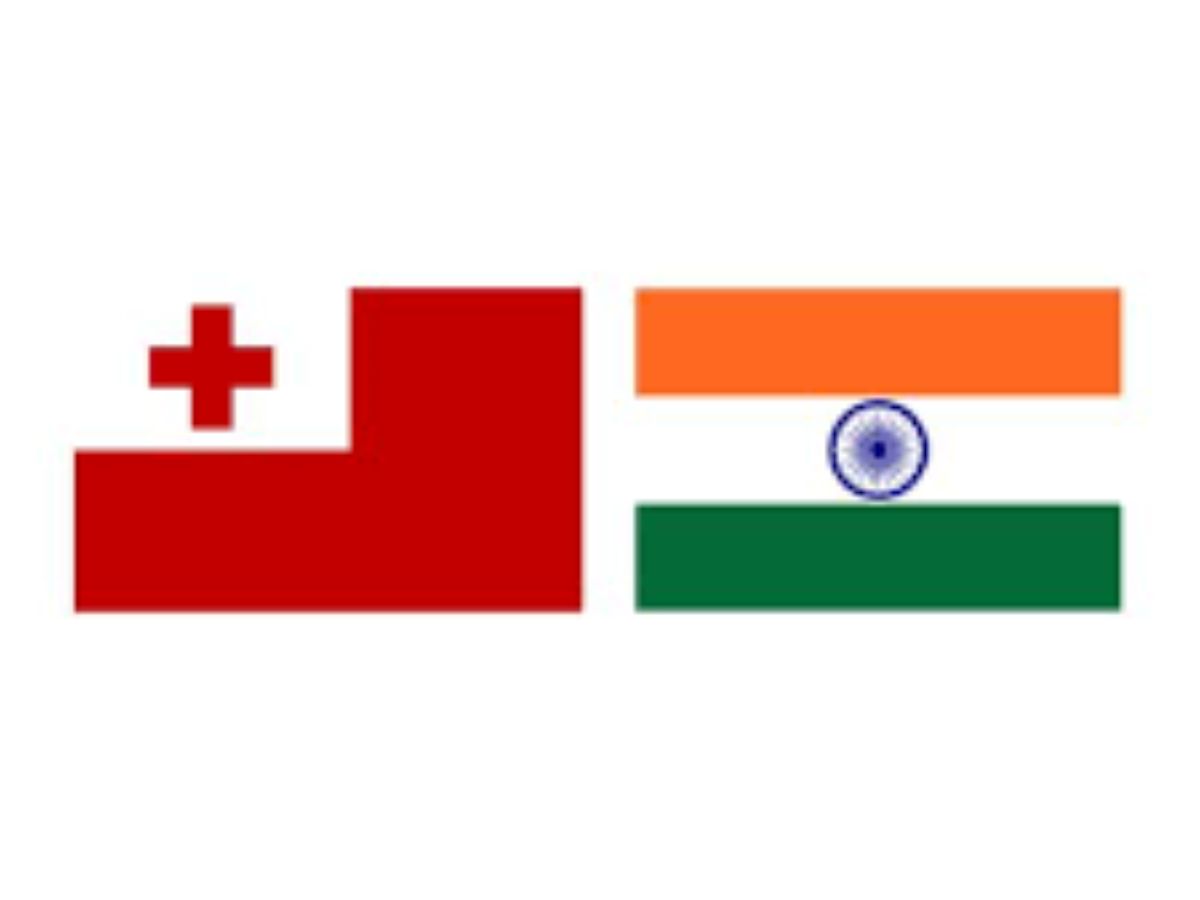
If the Indo-Pacific is to be seen as an organic movement of cultures, civilisations, and democratic currents, then 2025 is an auspicious year for celebrating 55th anniversary of India-Tonga diplomatic relations. Forged in 1970—this treaty stands as a profound milestone to authentic and genuine relations between peoples and civilisations. As India was the flagship civilisation for the region and the known world, so when European traders exploring Oceania stumbled upon the only cohesive political centre and thalassocratic civilisation throughout the region: in Tonga. The fact its people has maintained their monarchy as the manifestation of the traditional governance structure is testament to that fact.
This partnership is rooted in mutual respect for sovereignty, democracy and cultural affinity, and has evolved from ceremonial exchanges looking to a strategic alliance without compulsion from another power. As two nations committed to pluralism and self-determination, India and Tonga share sympathies that transcend geography, positioning their bond as a stepping stone for deeper cooperation amid 21st-century headwinds like climate vulnerability, maritime flux, and technological rivalries.
For years, India has trained Tonga’s military officer class, and other high calibre roles in governance and security. Elevating this relationship to resident diplomats and a high commission in each other’s capital would not only honour this legacy, but catalyse joint ventures in sustainable development and common security.
The journey boasts eight pivotal strategic milestones, underscoring steady maturation:
-
1970: Formal establishment of diplomatic relations, laying the foundation for bilateral engagement. Tonga formally ended its Protectorate Treaty with Britain, and immediately launched engagement with New Delhi above all others.
-
1971: First State visit by King Taufa’ahau Tupou IV and Queen to India, fostering early people-to-people ties. As it stands, it is the first state visit by the monarch to any foreign country, which also transited to Moscow on the same tour.
-
1976: Second royal visit to India, deepening cultural and symbolic bonds.
-
1981: Historic visit by Prime Minister Indira Gandhi to Tonga, the first by an Indian head of government to a Pacific Island nation.
-
1999: Reopening of India’s High Commission in Suva, Fiji, enhancing diplomatic outreach to Tonga.
-
2014: Inaugural Forum for India-Pacific Islands Cooperation (FIPIC) Summit in Fiji, with Tonga’s participation; India pledged $100 million in Lines of Credit and 1,000 training slots for Pacific Islanders.
-
2019: Third FIPIC Summit in Fiji, focusing on digital connectivity and disaster resilience, with Tonga benefiting from capacity-building initiatives.
-
2024: Visit by India’s Minister of State for External Affairs to Tonga for the Pacific Islands Forum (PIF), reaffirming commitments to “Quick Impact Projects” worth $50,000 per nation.
These markers reflect a picking up of the tone of the relationship, and convergences in interests that align India’s Act East Policy with Tonga’s own global engagement. Both countries value multilateralism via forums like the UN and Commonwealth prioritising climate action—Tonga’s sinking atolls mirror India’s coastal threats. Economically, bilateral trade hit $0.79 million in 2022-23, with potential in agriculture, tourism, and renewables, medicine and education. Security synergies emerge in countering non-traditional threats like combating the global drug traffic industry, illegal fishing, bolstered by India’s SAGAR (Security and Growth for All in the Region) doctrine. As Indo-Pacific stakeholders, they converge on a free, open maritime order, resisting coercive influences while advancing sustainable blue economies.
Both countries would benefit from Tonga’s push for a more modern and tech advanced service economy, complementing India’s high tech service powerhouses. The current era demands a grasp of high-tech geopolitics. The US has deepened ties with Tonga and Pacific peers through pacts like the 2023 ship-rider agreement for joint patrols and the South Pacific Tuna Treaty for resource security. Broader US-Pacific deals, including the 2024 digital resilience framework under the Partners in the Blue Pacific initiative, counter Chinese tech incursions in undersea cables and 5G networks—vital for surveillance and data sovereignty in this chokepoint-laden theatre. Tonga’s 2023 US embassy opening signals Nuku’alofa’s pivot toward diversified tech partnerships.
India, with its digital public goods like UPI and Aadhaar, can complement this by co-developing cyber defences and AI-driven climate modelling and resilience, ensuring Tonga’s voice in tech governance. Tonga would also benefit from India’s high end tech in drone development, particularly mid-range for territorial and border security, and India gets to deploy assets in strategic spaces putting them in the centre of current strategic great power negotiations.
This anniversary beckons bolder steps: resident missions would embed envoys in daily dialogues, unlocking joint R&D hubs and defence exchanges. India-Tonga solidarity isn’t mere nostalgia—it’s a blueprint for resilient Indo-Pacific harmony, where democracies outpace disruptors. In the era of high bandwidth communication, relationships need not depend on second-hand representation. People on the ground with face to face meetings goes all the distance.
At this moment, a state visit is long overdue by His Majesty King Tupou VI to Delhi and India. Tonga’s current Foreign Minister, Crown Prince Tupou To ‘a is more than capable to facilitate this occasion. May the two countries continue to enjoy prosperous and peaceful relations in perpetuity.
Tevita Motulalo, MSc Geopolitics and International Relations (Manipal 2013), is a Founding Fellow of the Royal Oceania Institute, a think-tank on Indo-Pacific strategic and security affairs in Tonga. He is lecturer on Journalism at the Tonga National University Nuku‘alofa.*




