The decline of US leadership does not automatically confer legitimacy on Beijing’s model.
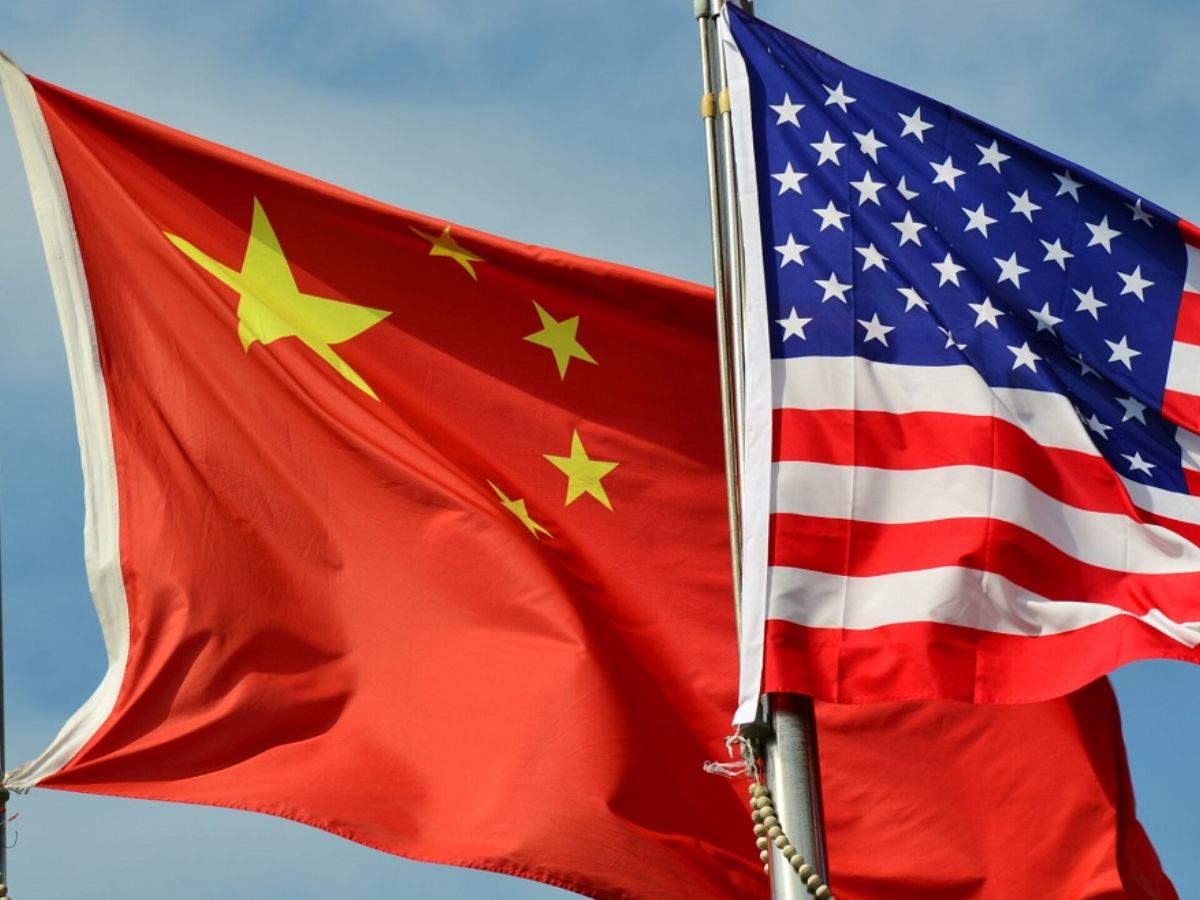
China as an alternative to US leadership?
The waning American order: The United States has long been the architect of the post-World War II international system—anchoring NATO, underwriting global trade, and projecting liberal democratic ideals. Yet the erosion of US credibility—from Iraq to Afghanistan, from the Trump administration’s retreat from multilateralism to Biden’s uneven follow-through—has left allies questioning Washington’s reliability. The perception of decline is not merely about military overstretch; it is about political dysfunction at home and a loss of moral authority abroad.
Beijing’s bid: China has moved swiftly to fill this vacuum through economic statecraft—the Belt and Road Initiative (BRI) has extended China’s reach into over 140 countries, offering infrastructure and loans where Western capital hesitates. Beijing has also gained clout in the UN, WTO, and regional bodies, positioning itself as a defender of “multipolarity.” China advances a model of authoritarian stability and sovereignty-first diplomacy, contrasting sharply with US liberal interventionism.
But China is not a straightforward solution. Readers will recognise that China’s rise is not a panacea but a provocation: BRI projects often saddle recipients with unsustainable obligations, raising fears of dependency. Unlike the US, China offers no credible global security guarantees. Its military assertiveness in the South China Sea and toward Taiwan destabilises rather than reassures. Beijing’s emphasis on sovereignty shields authoritarian regimes from accountability, undermining human rights norms embedded in international law.
The real question is not whether China replaces the US, but whether the world can adapt to a multipolar order. The Concert of Europe in the 19th century shows multipolarity can stabilise—but only with shared norms and restraint. But absent consensus, multipolarity risks fragmentation, spheres of influence, and coercion. A plural order could foster resilience if institutions evolve to accommodate diverse power centres—China, the US, the EU, India, and others.
China’s ascent is less an “alternative solution” than a structural counterweight. The decline of US leadership does not automatically confer legitimacy on Beijing’s model. Instead, it forces the international community to confront a harder truth: the era of singular hegemony is ending, and the challenge is to craft rules for coexistence in a contested, plural world.
Nephew of the Dalai Lama, Khedroob Thondup is a geopolitical analyst.
