
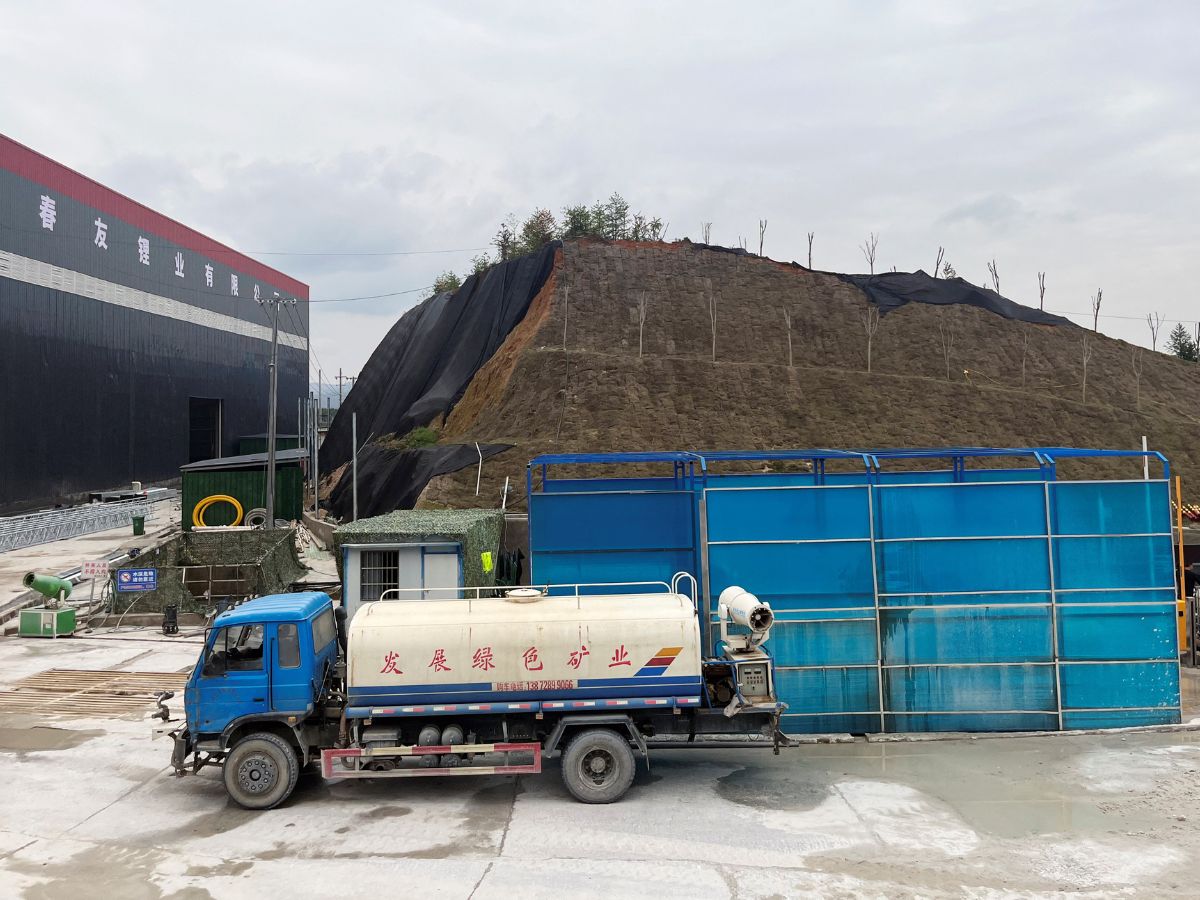
Beneath the shimmering salt lakes of the Tibetan Plateau lies a resource China covets: lithium, the “white gold” powering the global electric vehicle revolution. In 2025, China began large-scale production from two major lithium mines in Tibet, including a ¥4.5 billion project in Gerze County and another in Golmud, Qinghai Province—both part of the broader Tibetan cultural and ecological landscape. But this mineral boom is not just about batteries. It is about power, control, and the quiet erosion of Tibetan autonomy under the guise of progress.
At first glance, the developments appear impressive. High-speed railways now slice through the rugged terrain of places like Aba, bringing in tourists and goods at unprecedented speed. New hotels, cafés, and restaurants bloom like alpine flowers in towns once defined by prayer flags and yak herders. But this infrastructure is not neutral. It is a scaffold for surveillance, a lattice of control. Facial recognition systems greet travellers at hotel check-ins. Police checkpoints dot the roads. The same trains that bring tourists can just as easily transport troops.
The lithium mines themselves are a study in extractive colonialism. In Gerze County, where nomadic herders once roamed freely, Zangge Mining now operates a 115 square km lithium-boron project approved for 33 years of production. This is not development for Tibetans. It is development on their backs.
Beijing frames these projects as part of its “green” future, positioning Tibet as a strategic resource hub in China’s quest to dominate the global EV supply chain. But the benefits flow eastward, while the costs—ecological degradation, cultural dilution, and increased surveillance—are borne by Tibetans. The lithium may be clean, but the politics are anything but.
Tourism, too, is weaponized. The influx of visitors is not just economic—it is ideological. It reframes Tibet as a picturesque frontier of the Chinese nation, erasing its contested history and spiritual depth. The cafés and boutique hotels may serve lattes, but they also serve a narrative: Tibet is open, modern, and Chinese.
In truth, Tibet is being mined twice—once for its minerals, and again for its meaning. If the world is serious about ethical sourcing and indigenous rights, it must look beyond the battery and ask: at what cost comes this lithium? And who gets to decide the future of Tibet?
Nephew of the Dalai Lama, Khedroob Thondup is a geopolitical analyst.




