China's mega-dam on the Yarlung Tsangpo raises seismic, ecological, and geopolitical concerns across South Asia and the Himalayas.
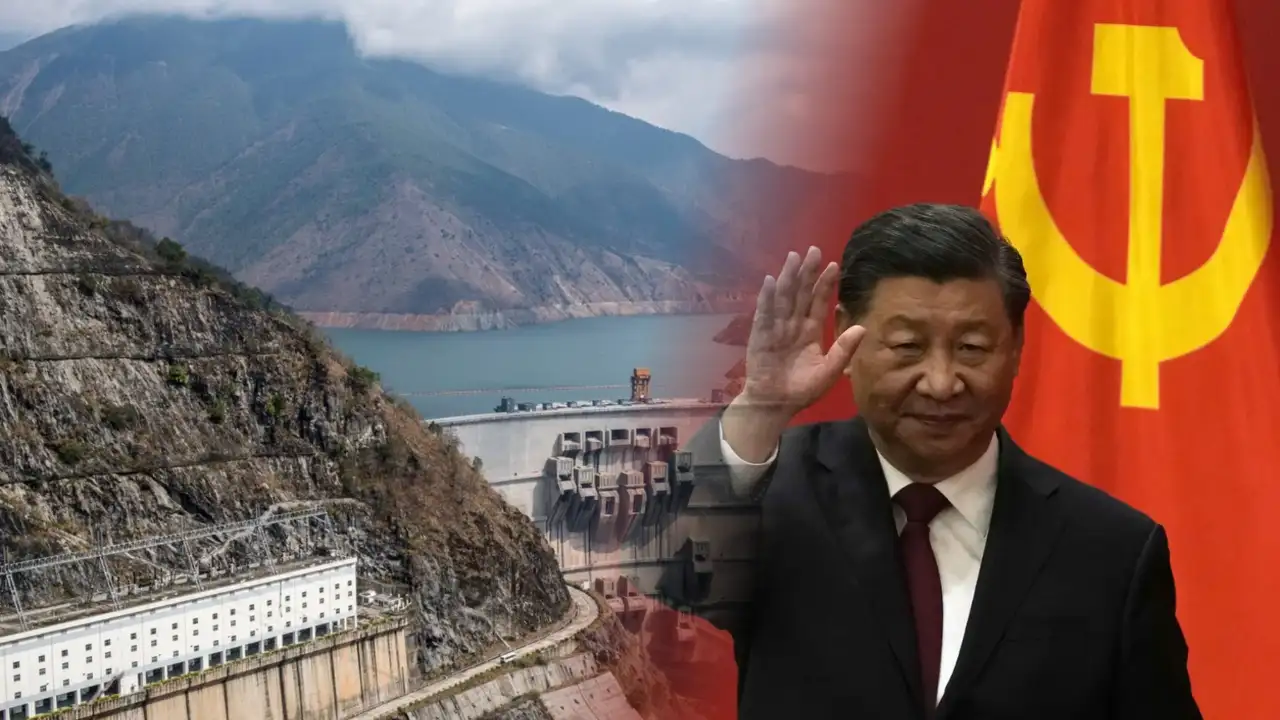
The Chinese government’s decision to construct the world’s largest hydropower dam on the Yarlung Tsangpo River in Tibet is being hailed domestically as a triumph of engineering and a leap toward carbon neutrality. But for those who understand the fragility of the Himalayan ecosystem and the geopolitical tensions that ripple downstream, this project is less a beacon of progress than a harbinger of cascading crises. Ironically, a dam marketed as a climate solution may accelerate climate disruption in the region. The Yarlung Tsangpo Grand Canyon, where the dam is being built, is one of Asia’s most biodiverse and climatically sensitive zones.
The construction and operation of this mega-dam will disrupt glacial-fed river systems, which are already under stress due to warming temperatures and retreating ice. Also alter local microclimates, as large reservoirs can increase humidity and temperature variability, affecting alpine and subtropical ecosystems. Accelerate landslides and erosion, as deforestation and tunnelling destabilize steep canyon walls. The Tibetan Plateau is often called the “Third Pole” for its vast reserves of ice. Tampering with its hydrology risks triggering feedback loops that worsen regional climate volatility.
The dam’s location near the Great Bend of the Yarlung Tsangpo sits atop one of the most seismically active zones on Earth. The 1950 Assam-Tibet earthquake, just 300 miles from the site, remains the strongest ever recorded on land A. More recently, a 7.1-magnitude quake in Shigatse caused widespread destruction and exposed the vulnerability of infrastructure in the region. Building a mega-dam in this zone is not just risky— it’s reckless. Experts warn that a major quake could breach the dam, unleashing catastrophic floods across borders. Aftershocks and tremors could weaken structural integrity, especially in a canyon with a 2,000-meter elevation drop. Further landslides triggered by seismic activity could block or redirect river flow, compounding disaster scenarios. The Yarlung Tsangpo becomes the Siang in Arunachal Pradesh, the Brahmaputra in Assam, and the Jamuna in Bangladesh. Over 130 million people depend on its flow for drinking water, agriculture, and fisheries.
Yet China’s unilateral construction of the dam— without transparent datasharing or regional consultation—has raised alarms: India fears weaponization of water, with the dam enabling sudden releases or withholding of flow during dry seasons. Bangladesh faces increased flood risk and sediment disruption, threatening its deltaic agriculture and coastal resilience. Sediment reduction downstream could degrade wetlands, fisheries, and the fertility of floodplains. The absence of binding treaties or cooperative frameworks makes this a geopolitical tinderbox. Water diplomacy is eroding just as climate pressures intensify. China’s pursuit of renewable energy is commendable. But true sustainability demands more than megawatts—it requires ecological wisdom, regional cooperation, and respect for indigenous custodianship.
Tibetans, whose sacred landscapes and communities are being displaced, deserve a voice in decisions that reshape their homeland. Instead of building monuments to control, let us invest in decentralized, lowimpact renewables that honour the land and its people. The world’s climate future should not be mortgaged to a dam built on fault lines—literal and political.
The Dalai Lama’s nephew, Khedroob Thondup is a geopolitical analyst.
