
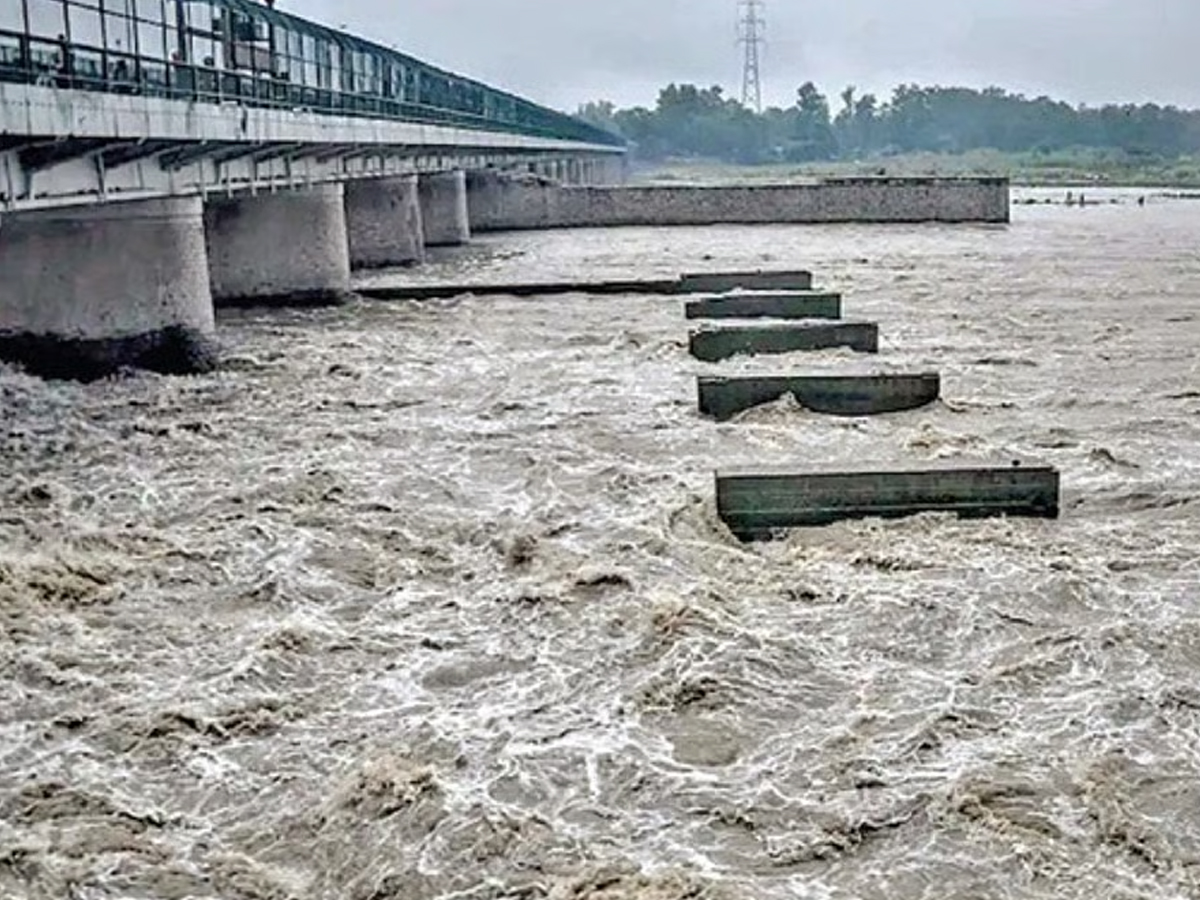
The receding waters of the 2025 floods have revealed a landscape that looks less like a nation and more like a graveyard of ambition. From the observatory post of New Delhi, the view across the border is one of heartbreak and alarm. The floods did not merely inundate the land; they washed away the social contract. Millions of Bangladeshis are currently living in a state of suspended animation, huddled on embankments, starved of food, and stripped of dignity. In this climate of absolute desperation, the interim government’s insistence on holding a general election feels like a cruel joke. It is a disconnect so profound that it threatens to delegitimise the very concept of democracy in the eyes of the suffering masses. You cannot eat a ballot paper, and you cannot shelter under a manifesto. The immediate, non-negotiable priority must be relief, not politics.
The sheer scale of the displacement has created a demographic chaos that makes a credible election impossible. Entire villages have ceased to exist; their populations scattered into the slums of Dhaka or the makeshift camps that line the highways. These are people who have lost their identification documents, their homes, and their tether to the state. To conduct a voter registration drive in this chaos is a logistical fantasy. If an election is held now, it will systematically disenfranchise the most vulnerable victims of the climate crisis. It will create a parliament of the privileged, elected by the lucky few who stayed dry, while the drowning millions are silenced. This is not democracy; it is a class war disguised as a poll.
Furthermore, the rural heartland, which has always been the engine of Bangladesh’s economy and politics, is physically broken. The floods have obliterated thousands of kilometres of roads, destroyed bridges, and severed the communication networks that bind the country together. An election requires infrastructure. It requires trucks to carry ballot boxes, reliable internet to transmit results, and safe roads for polling officials. None of this exists in the flood-affected districts. Rushing a vote now forces the administration to divert critical engineering resources towards patching up roads for VIP convoys, instead of rebuilding the embankments that protect the farmers. It prioritizes the comfort of the politician over the survival of the peasant.
There is also the grim reality of resource allocation. Bangladesh is currently facing a famine-like situation in the north, where the banditry we have previously discussed is fuelled by hunger. The state has limited bandwidth. Every Taka spent on printing election posters is a Taka not spent on rice. Every police battalion deployed to guard a polling station is a battalion not deployed to guard an aid convoy. By postponing the polls for six to twelve months, the government can declare a ‘National Emergency for Relief and Revival.’ This allows them to pivot the entire machinery of the state towards a single, unifying goal, saving lives.
All one needs to do, is to look towards history to provide us with successful models for this kind of a strategic pause. Nations that have prioritized disaster recovery over political timetables have more often than not, emerged stronger. We have seen this play out in the subcontinental region itself, as to how a unified focus on reconstruction may bridge political divides, forcing bitter rivals to work together for the good of the common man. A delay allows the interim government in Dhaka to invite all political parties to join a ‘National Relief Council’, turning the recovery effort into a collaborative nation-building exercise rather than a partisan weapon. It transforms the narrative from one of power-grabbing to one of service.
The end goal is a stronger, more legitimate democracy. A government that is elected after successfully leading the nation out of a humanitarian crisis will command a respect that no rushed poll could ever generate. It will have earned its mandate through sweat and service, not just campaigning. The people of Bangladesh are resilient, but they are tired. They do not need a vote today; they need a hand. The interim government must postpone the polls, channel every ounce of energy into relief, and turn this moment of despair into a foundation of national strength. Legitimate power comes from saving the people, not just ruling them.




