
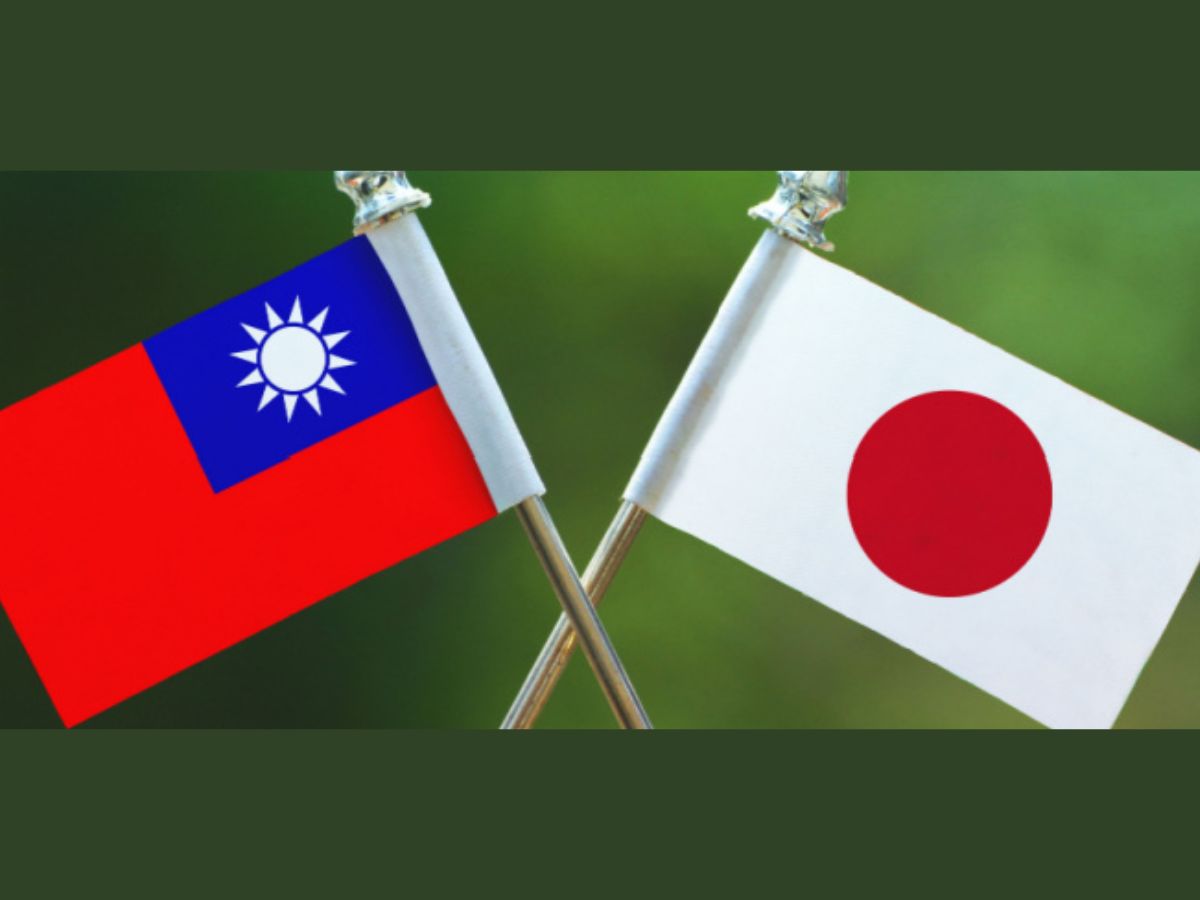
When Japanese Prime Minister Sanae Takaichi declared that a Chinese attack on Taiwan “could constitute a survival-threatening situation” for Japan, she was not merely expressing solidarity with a fellow democracy. She was signalling that Japan’s security, economy, and geopolitical standing are inextricably tied to the fate of Taiwan. Taiwan sits astride the first island chain—a natural maritime barrier that has long underpinned Japan’s defence posture. If Beijing were to control Taiwan, it would gain a direct gateway into the Western Pacific, flanking Japan’s southern approaches and threatening key sea lanes. Japan imports over 90% of its energy through these waters. A Chinese military presence in Taiwan would place Japan’s lifeline under Beijing’s shadow. Thus, Takaichi’s invocation of Japan’s right to “collective self-defence” under its 2015 security laws is not about defending democracy—it’s about defending geography.
Taiwan is the beating heart of the global semiconductor industry. Japan’s own tech sector, from automotive to electronics, depends heavily on Taiwanese chips. A disruption—let alone a Chinese takeover—would cripple Japan’s economy. Takaichi’s statement is a hedge against economic catastrophe, not a moral stand. Moreover, Japan’s own semiconductor ambitions, including recent efforts to revive domestic production, rely on close cooperation with Taiwan’s TSMC. Protecting Taiwan is protecting Japan’s industrial future.
Takaichi’s remarks also serve a dual purpose: reassuring Washington. Japan’s alliance with the United States is the cornerstone of its security. By signalling readiness to act in a Taiwan contingency, Tokyo aligns itself more closely with US Indo-Pacific strategy. This bolsters Japan’s standing as a reliable ally and strengthens its leverage in bilateral negotiations on defence burden-sharing and regional leadership.
What makes Takaichi’s statement notable is its departure from Japan’s traditional “strategic ambiguity.” Previous leaders avoided explicit references to Taiwan to avoid provoking China. Takaichi’s bluntness is not a slip—it’s a recalibration. Japan is no longer content to be a passive observer in the Taiwan Strait. But this shift is not driven by moral outrage—it is driven by strategic necessity.
Let us be clear: Japan’s interest in Taiwan’s security is not illegitimate. But it is self-interested. Takaichi’s statement is not a promise to defend Taiwan for Taiwan’s sake. It is a declaration that Japan will act when its own survival is at stake. The rhetoric of solidarity masks a hard calculus: Taiwan’s fall would imperil Japan’s security, economy, and regional influence. That is the real reason Tokyo is drawing red lines.
-
Nephew of the Dalai Lama, Khedroob Thondup is a geopolitical analyst.




