Japan’s foreign policy towards China has been marked by caution, economic pragmatism, and strategic ambiguity.
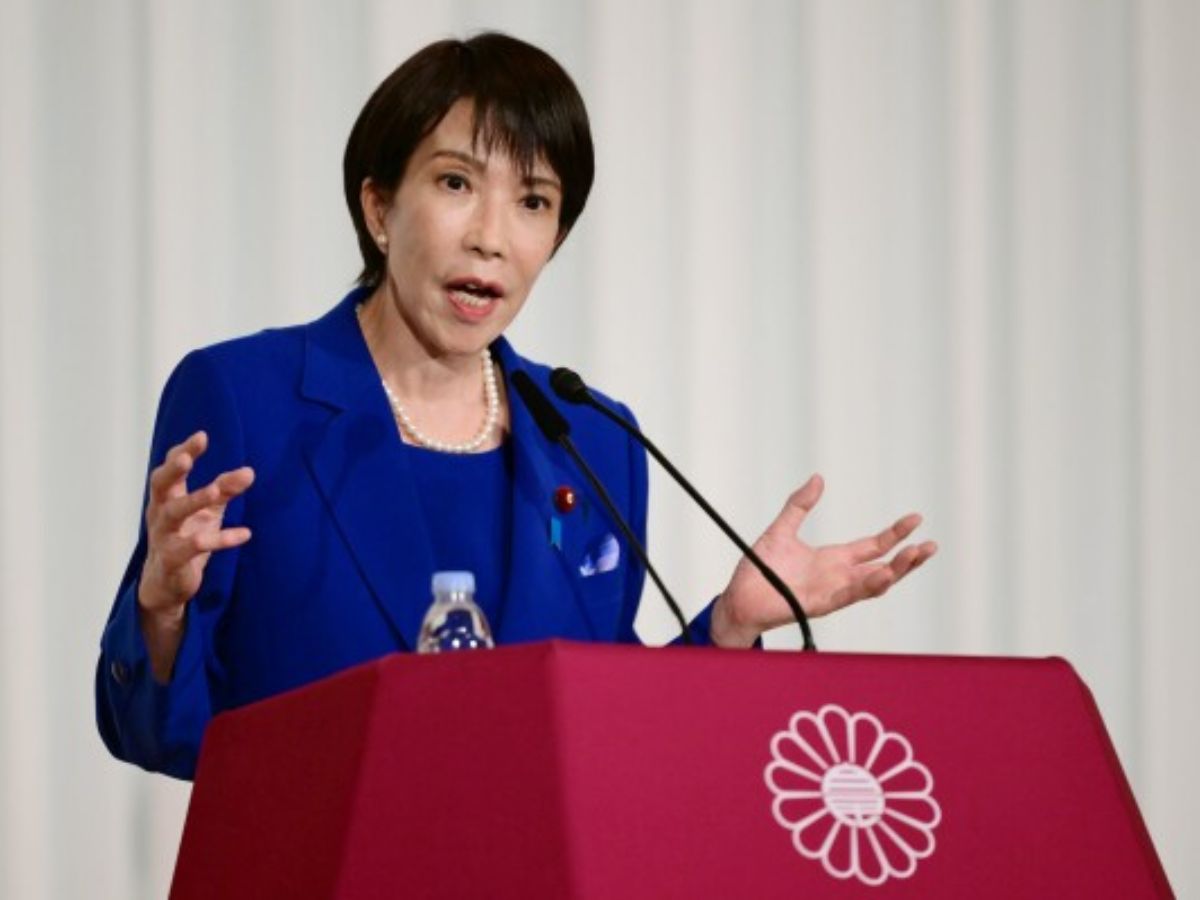
In Frame: Japan’s Prime Minister Sanae Takaichi. (Image: AP)
With the election of Prime Minister Sanae Takaichi, Japan stands at a pivotal moment—not only in its domestic politics, but in its role as a regional and global moral actor. As the first woman to lead the country, Takaichi brings a fresh mandate and a clear-eyed strategic vision, one that includes strengthening Japan’s alliance with the United States and confronting authoritarianism in Asia.
Among the most urgent—and long-neglected—issues she must address is the ongoing repression in Tibet. For decades, Japan’s foreign policy towards China has been marked by caution, economic pragmatism, and strategic ambiguity. Former Prime Ministers Kishida and Ishiba pursued engagement policies that often sidestepped human rights concerns in favour of trade and regional stability. But the situation in Tibet demands more than quiet diplomacy. It requires principled pressure.
The Chinese Communist Party’s policies in Tibet are a textbook case of cultural erasure. Over one million Tibetan children have been placed in state-run boarding schools designed to sever their linguistic, religious, and familial ties. Monasteries are surveilled, religious leaders are imprisoned, and expressions of Tibetan identity are criminalized. These are not relics of Maoist excess—they are contemporary realities under Xi Jinping’s rule.
Japan, as Asia’s most established democracy and a cultural neighbour with deep Buddhist ties, has both the moral authority and the strategic leverage to speak out. Prime Minister Takaichi’s admiration for former Prime Minister Shinzo Abe—who was one of the few Japanese leaders to meet with the Dalai Lama and support Tibetan autonomy—offers a clear precedent. By invoking Abe’s legacy, she can frame Tibet not merely as a human rights issue, but as a matter of regional conscience.
Moreover, Japan’s youth—who overwhelmingly support Takaichi—are increasingly attuned to global justice movements. They consume news through social media, bypassing the sanitized narratives of mainstream television. This generation is more likely to support policies that align with democratic values and human dignity. By championing Tibetan rights, Takaichi can galvanize domestic support while signalling Japan’s commitment to ethical leadership.
Strategically, Tibet is not an isolated concern. It borders India, hosts the headwaters of Asia’s major rivers, and sits at the nexus of China’s military and environmental ambitions. A Tibet under total Chinese control poses risks to regional stability, water security, and ecological balance. Japan’s silence would be complicity.
Prime Minister Takaichi has already signalled her intent to recalibrate Japan’s China policy—particularly in defence of Taiwan. Extending this posture to Tibet would be consistent, courageous, and consequential. Japan can begin by advocating for access to Tibet for journalists and diplomats, supporting Tibetan civil society in exile, and coordinating with allies to impose targeted sanctions on Chinese officials responsible for abuses.
In doing so, Japan would not be provoking conflict—it would be affirming principle. The Tibetan people have endured decades of repression. Their struggle is not only for autonomy, but for recognition. With new leadership and renewed purpose, Japan has the opportunity to stand on the right side of history. Tibet is watching. So is the world.
Nephew of the Dalai Lama, Khedroob Thondup is a geopolitical analyst.
