While overall death toll estimates for the 1971 Liberation War range in scholarly accounts from 200,000 to 3 million, the targeted killings of intellectuals form a uniquely vicious subset.
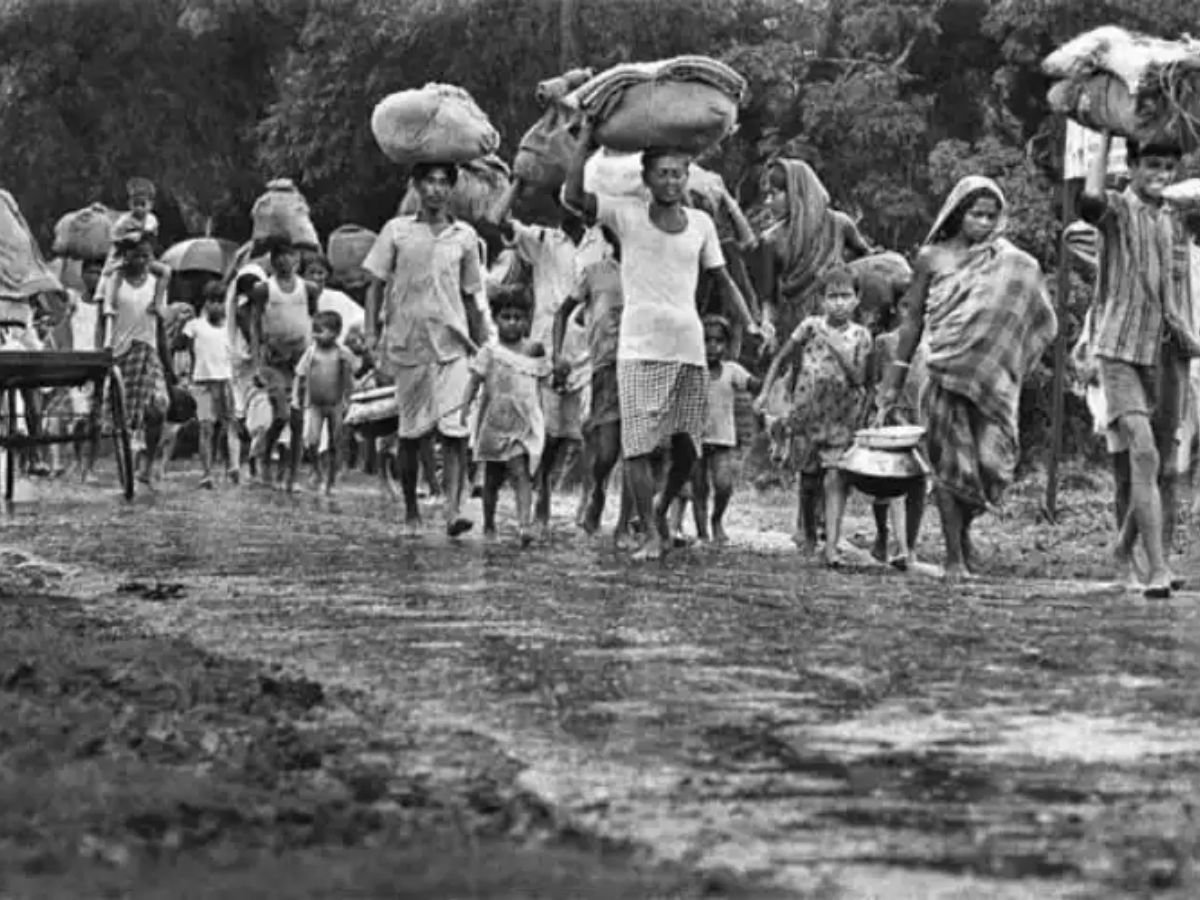
Pak’s intellectual massacre of Bangladesh: The past that Dhaka is forgetting (Image: Awaz The Voice)
On a cold night in December 1971, Bangladesh suffered a loss that went far beyond the immediate human toll. It lost the foundation of its intellectual future. More than 200 of its brightest minds—professors, doctors, journalists, poets—were systematically abducted, tortured and executed by the Al-Badr militia group operating under Pakistan’s military command. This was not a chaotic outcome of war. It was a deliberate, meticulously planned genocide aimed at obliterating Bangladesh’s intellectual backbone and crippling its ability to govern itself in the post-war era. This dark episode remains one of the most brutal attempts in modern history to annihilate a nation’s thought leadership.
The intellectual massacre was a coldly engineered tactic by a military regime desperate to maintain control at all costs. With defeat imminent, Pakistan sought to decapitate the emerging nation’s leadership cadre—those capable of inspiring, educating and organising the future of Bangladesh. This genocidal strategy employed abduction, torture and summary executions to terrorise and silence a generation. While overall death toll estimates for the 1971 Liberation War range in scholarly accounts from 200,000 to 3 million, the targeted killings of intellectuals form a uniquely vicious subset. They reflect an effort to destroy not just bodies but ideas and hopes. The timing, brutal precision and scale speak clearly of systematic, state-led genocide rather than wartime excess.
The international community’s muted response to this atrocity reveals much about Cold War realpolitik and the selective application of moral outrage. Despite credible evidence and first-hand accounts, the world largely turned away, placing power alliances above humanitarian crisis. This diplomatic silence allowed the perpetrators impunity, and its effects have reverberated across decades. Bangladesh has been left grappling not only with loss, but with eroded faith in global justice systems. The failure to hold those responsible to account has frozen wounds in the national psyche, obstructing healing and weakening the moral authority necessary for reconciliation and long-term stability.
Yet, despite this gruesome history, Bangladesh’s relations with Pakistan have undergone a significant transformation in recent years. Since 2024, bilateral trade has grown and military dialogues have quietly resumed, reflecting a pragmatic shift shaped by regional geopolitics and economic interests. Bangladesh’s rise as an economic powerhouse and Pakistan’s desire to recalibrate its strategic standing in South Asia have driven this rapprochement. But this “realpolitik” rests uneasily on a foundation steeped in pain. The paradox is stark—how can Bangladesh pursue commerce and cooperation with the very state apparatus that once orchestrated a genocidal campaign against its intellectual citizens?
Martyred Intellectuals Day on December 14 is not merely a historical date for Bangladesh; it is a moral signpost defining the nation’s collective conscience and identity. Yet the current trajectory of diplomatic pragmatism threatens to erode this collective memory. Economic partnerships and strategic alignments risk trivialising or sidelining the sacrifices of those lost, reducing profound trauma to a footnote overshadowed by transactional interests. This selective memory endangers justice, allowing the wounds of the past to be obscured in the name of progress and regional stability. It raises a critical ethical question—can diplomatic expediency be justified when it so clearly compromises historical truth and the demands of justice?
The harsh truth is that diplomacy without justice, and pragmatism without remembrance, amounts to complicity through silence. If Bangladesh allows its darkest history to be overshadowed for convenience, it risks sacrificing its moral soul on the altar of political and economic gains. The ghosts of December 14 demand more than polite acknowledgement; they demand justice, truth and sustained memory. Without this, the nation’s identity remains fractured, and the promise of a genuinely free and sovereign Bangladesh remains unfulfilled. The lessons from 1971 are clear and uncompromising—peace built on compromised memory is fragile and incomplete. Bangladesh must face this painful past directly, or it risks letting its history and the sacrifices of its people fade away for the sake of short-term convenience.
