
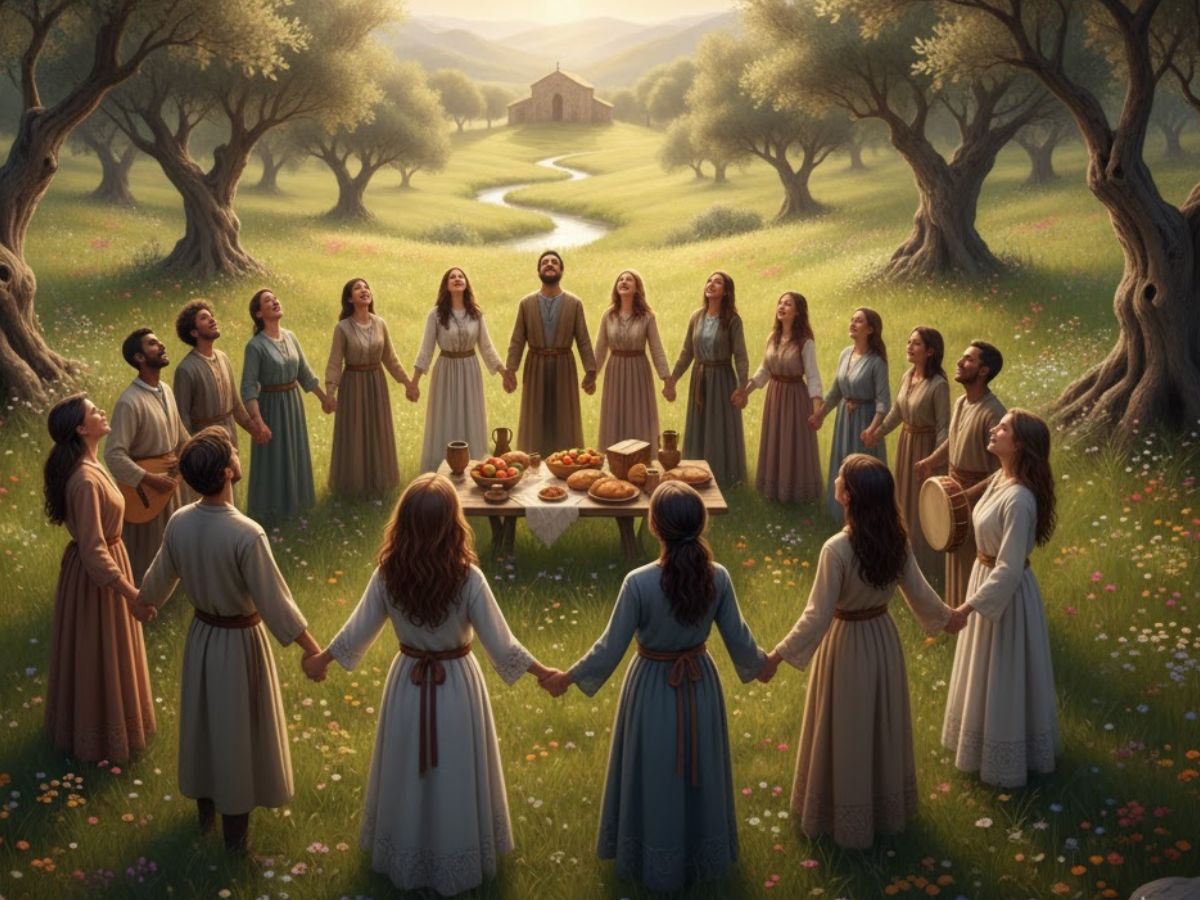
In our time, we all live under pressure. We face fear about the future, fatigue from daily demands, and division that creeps into homes, workplaces, and even churches. Paul’s words to the Thessalonians come like fresh air: “We give thanks to God always for all of you, constantly mentioning you in our prayers” (1 Thessalonians 1:2). When Paul wrote these words, the believers in Thessalonica were under great strain. Yet Paul begins with thanksgiving, not complaint. He chooses to look for God’s grace before he speaks about their troubles. Gratitude becomes his way of seeing.
This is a beautiful lesson for us. To thank God for one another is to fight the slow poison of cynicism that fills so much of modern life. When we give thanks, we remind ourselves that God’s Spirit is still at work in ordinary people and in small acts of kindness. We honour the hidden service of those who clean, prepare, teach, comfort, and pray without ever being noticed. Gratitude opens our eyes to grace that moves quietly through our communities. Thanksgiving is the language of faith—it turns our attention from what is missing to what God has already given. It is how hope begins again when the heart feels tired, and how joy grows even in difficulty.
So let us make this our rhythm. Let every week, every meeting, and every prayer begin with thanksgiving. Let us thank God for one another—by name when we can. Look at each face and see a sign of grace: the widow who still sings, the student who brings hope, the child who prays with simplicity, the worker who serves without fuss. Gratitude is not just how the Church speaks; it is how the Church blesses. When thanksgiving becomes our language, our homes and congregations begin to shine. Through thankful hearts, God’s light finds its way into weary places—and hope is born again.




