
- Home>
- Gallery»
- What is the B-1B Lancer: America’s Long-Range Supersonic ‘Bone’ Bomber | Photos Inside
What is the B-1B Lancer: America’s Long-Range Supersonic ‘Bone’ Bomber | Photos Inside
Exploring Bomber : B-1B Lancer is a long range supersonic heavy bomber that has a payload capacity of 75,000 pounds, top speed of Mach 1.25 and combat range of 3,444 miles. It has been flying precision strikes in Iraq, Afghanistan, Syria and Iran since 1985 with the help of advanced avionics, low radar signature, and modern additions of Sniper XR and IBS. The USAF has 45 aircrafts which will be fully retired by the year 2036 to be succeeded by the stealthy B-21 Raider.
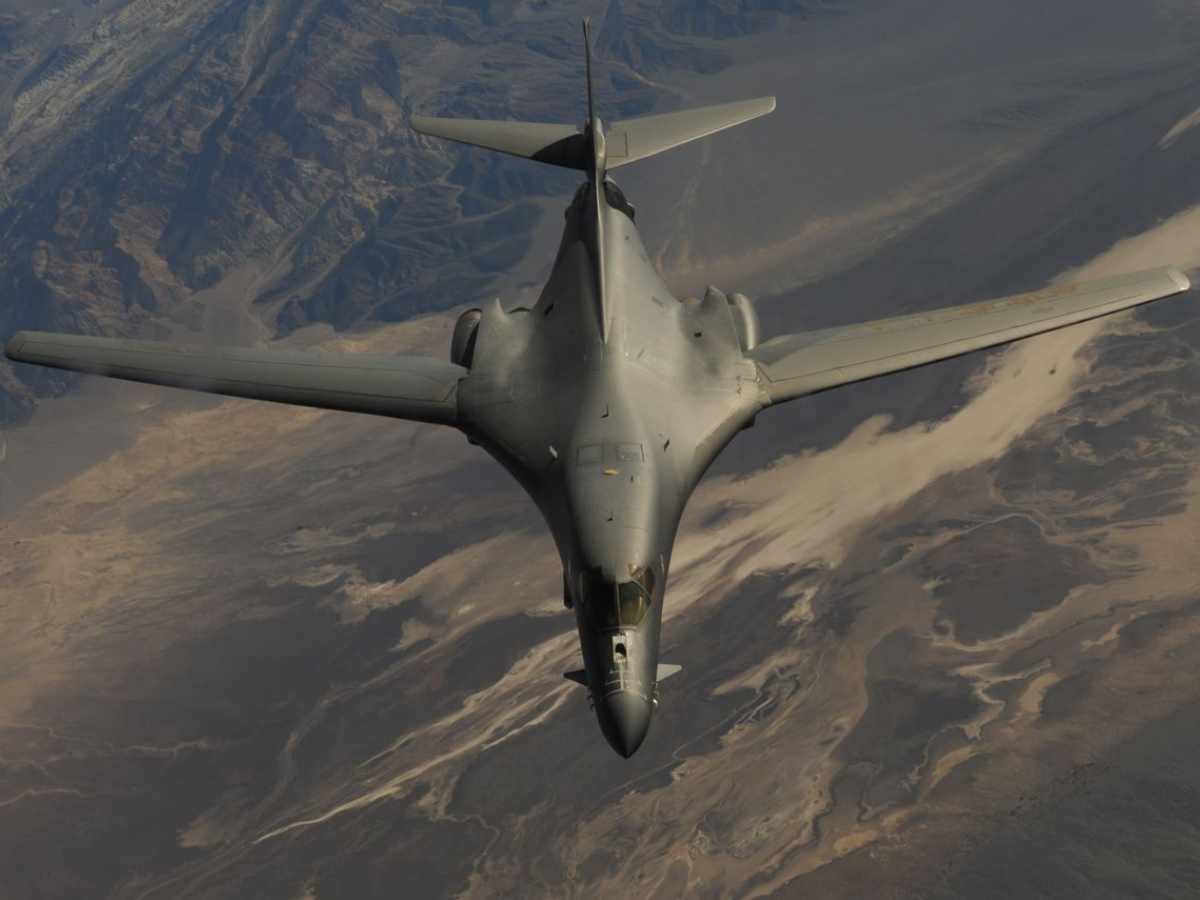
What is the B-1B Lancer
The B-1B Lancer is a versatile supersonic bomber designed for global missions and nicknamed “Bone,” is a supersonic, long-range heavy bomber used by the U.S. Air Force. Introduced in 1985, it supports both conventional and strategic strike operations. Its variable-sweep wings, four turbofan engines, and low radar signature allow it to penetrate defended airspace, carrying up to 75,000 pounds of bombs on long-range missions.
(Photo: Pinterest)
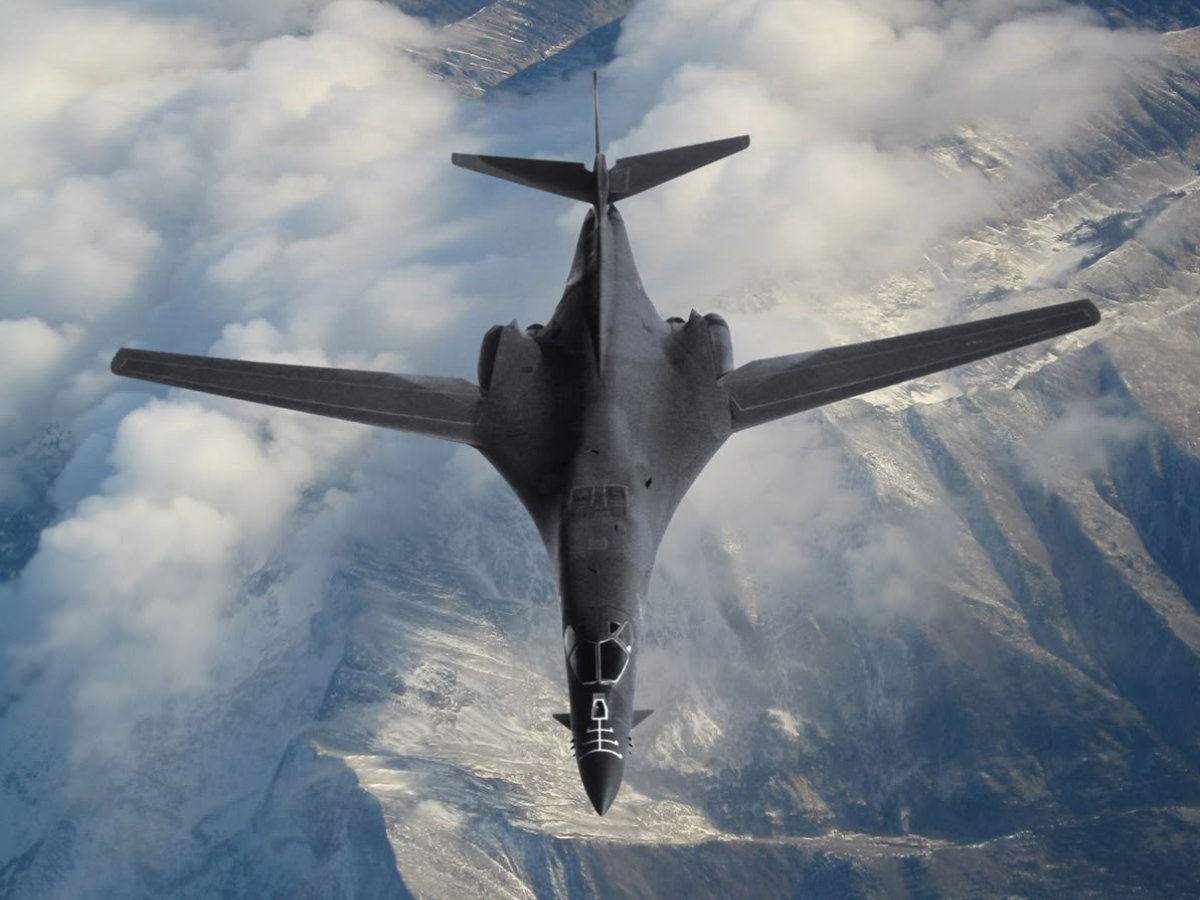
History of B-1B Lancer
The B-1B originated as the B-1A project in the 1960s, aiming to combine Mach 2 speed with long-range payload. Redesigns led to the B-1B in 1985 with improved low-level performance. Over decades, it has participated in numerous conflicts, transitioning from nuclear deterrence to conventional precision bombing missions worldwide. It replaced earlier nuclear-focused bombers and has served in Iraq, Kosovo, Afghanistan, Syria and recently Iran.
(Photo: Pinterest)
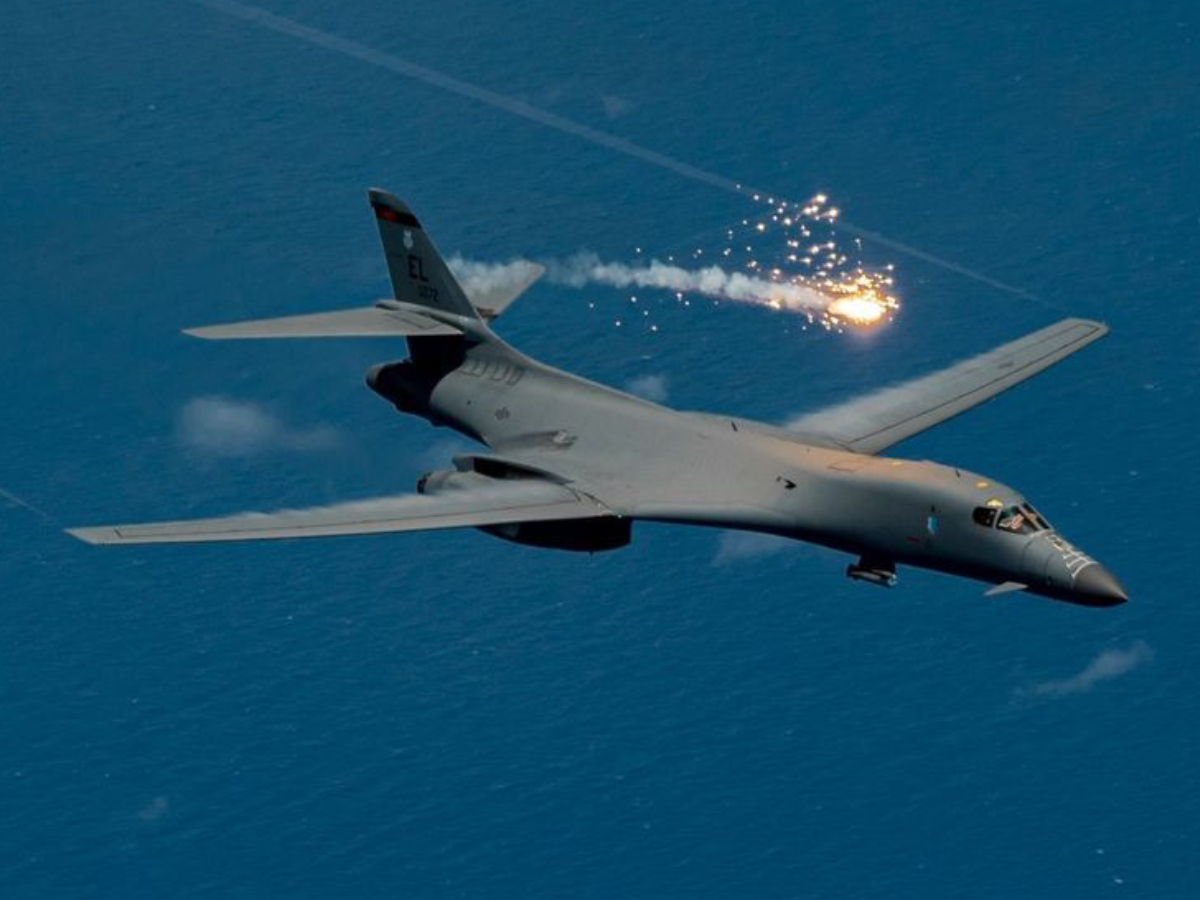
Speed & Range of B-1B Lancer
With a top speed of Mach 1.25 and a low-altitude speed of Mach 0.92, the B-1B can traverse continents rapidly. Its combat range of nearly 3,500 miles allows deep-strike capabilities without mid-air refueling. This speed and reach make it ideal for time-sensitive operations like the recent Iran strikes.
(Photo: Pinterest)
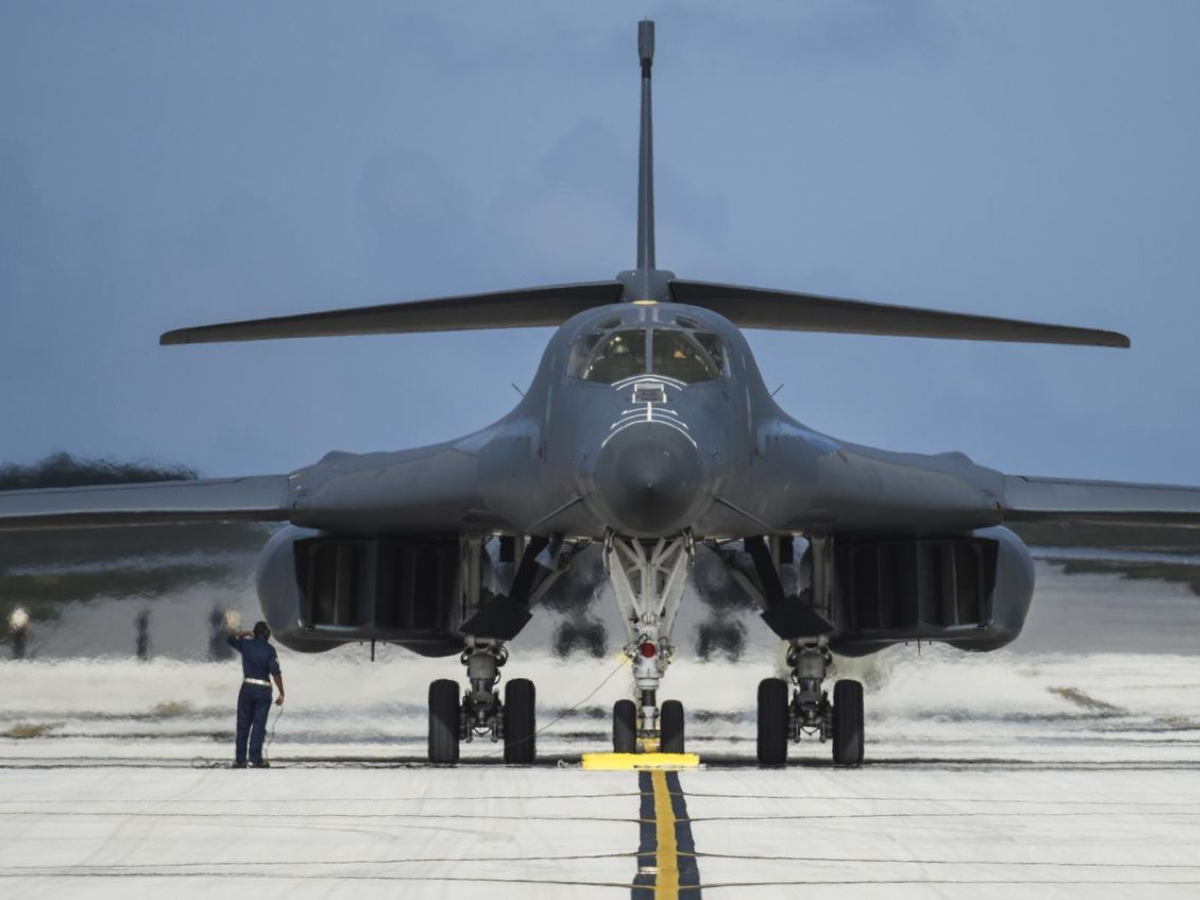
Design & Features of B-1B Lancer
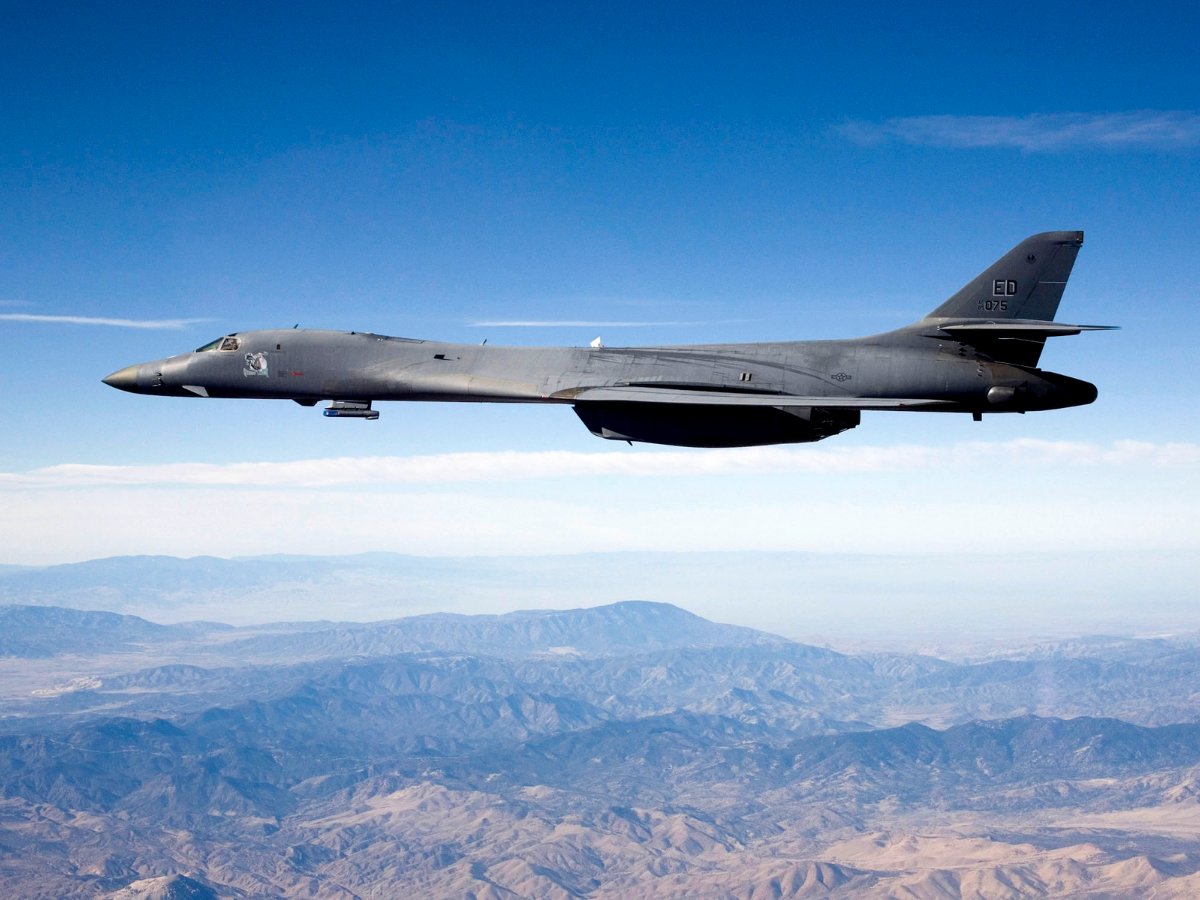
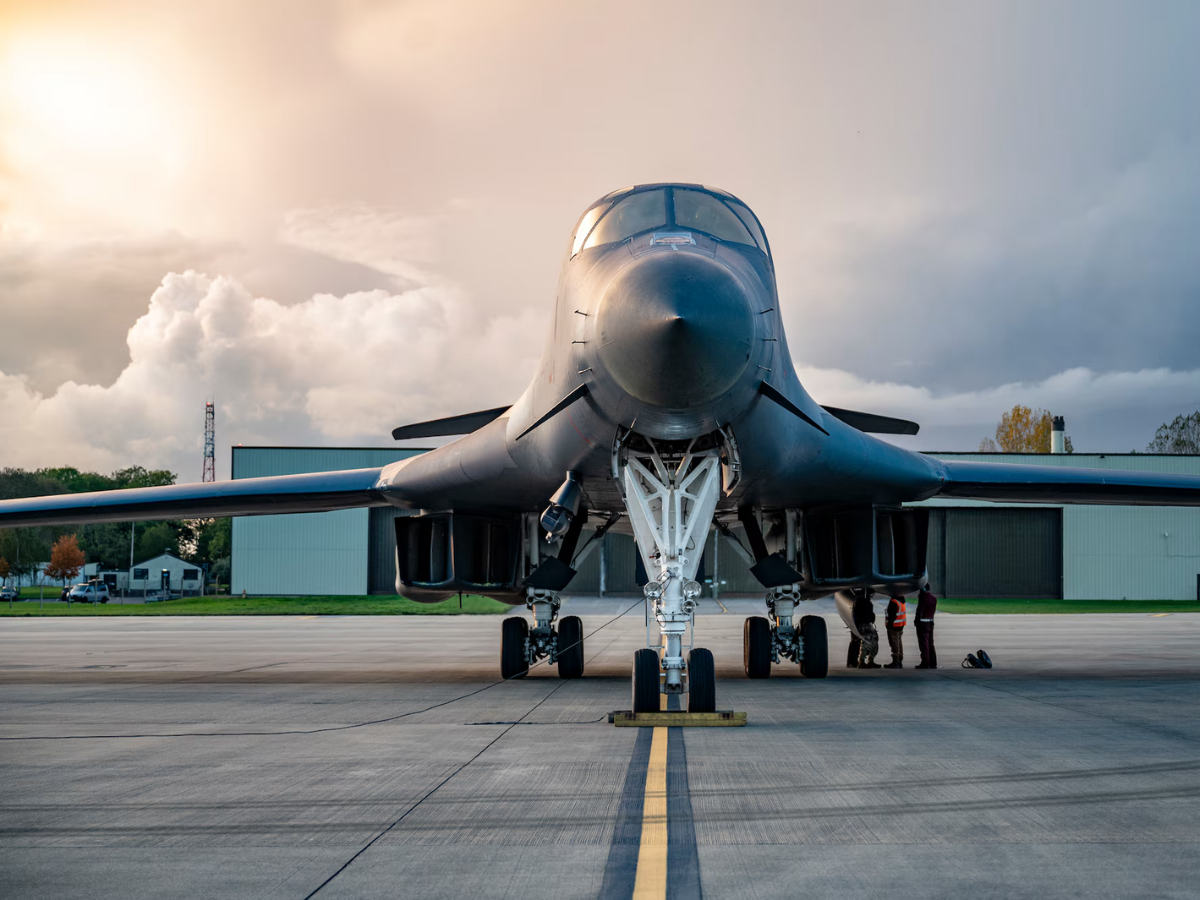
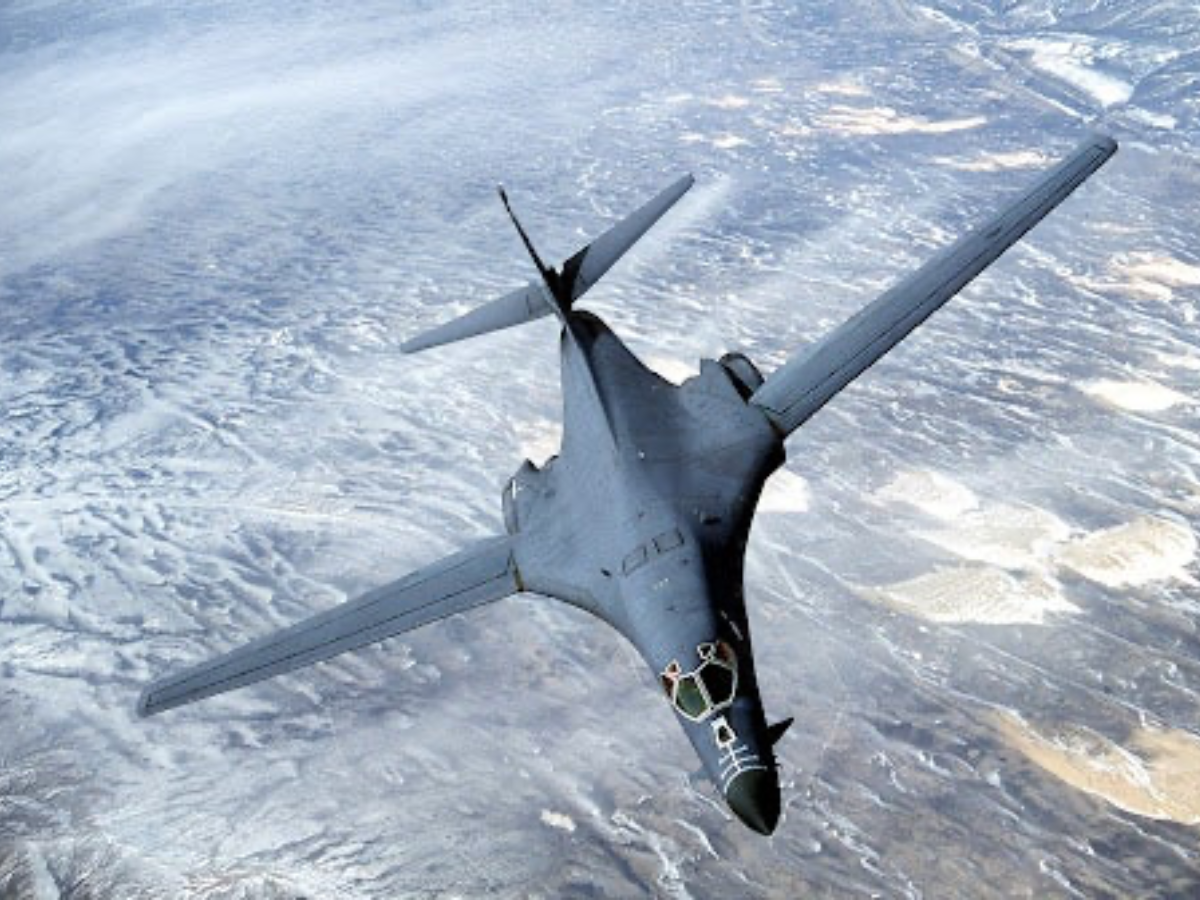
The B-1B’s design balances speed, stealth and maneuverability with variable-sweep wings allow efficient cruise and supersonic dashes, while the cruciform tail provides stability. Triangular nose vanes smooth low-altitude flight through turbulence. These features collectively allow the B-1B to penetrate defended airspace while carrying heavy payloads across vast distances.
(Photo: Pinterest)
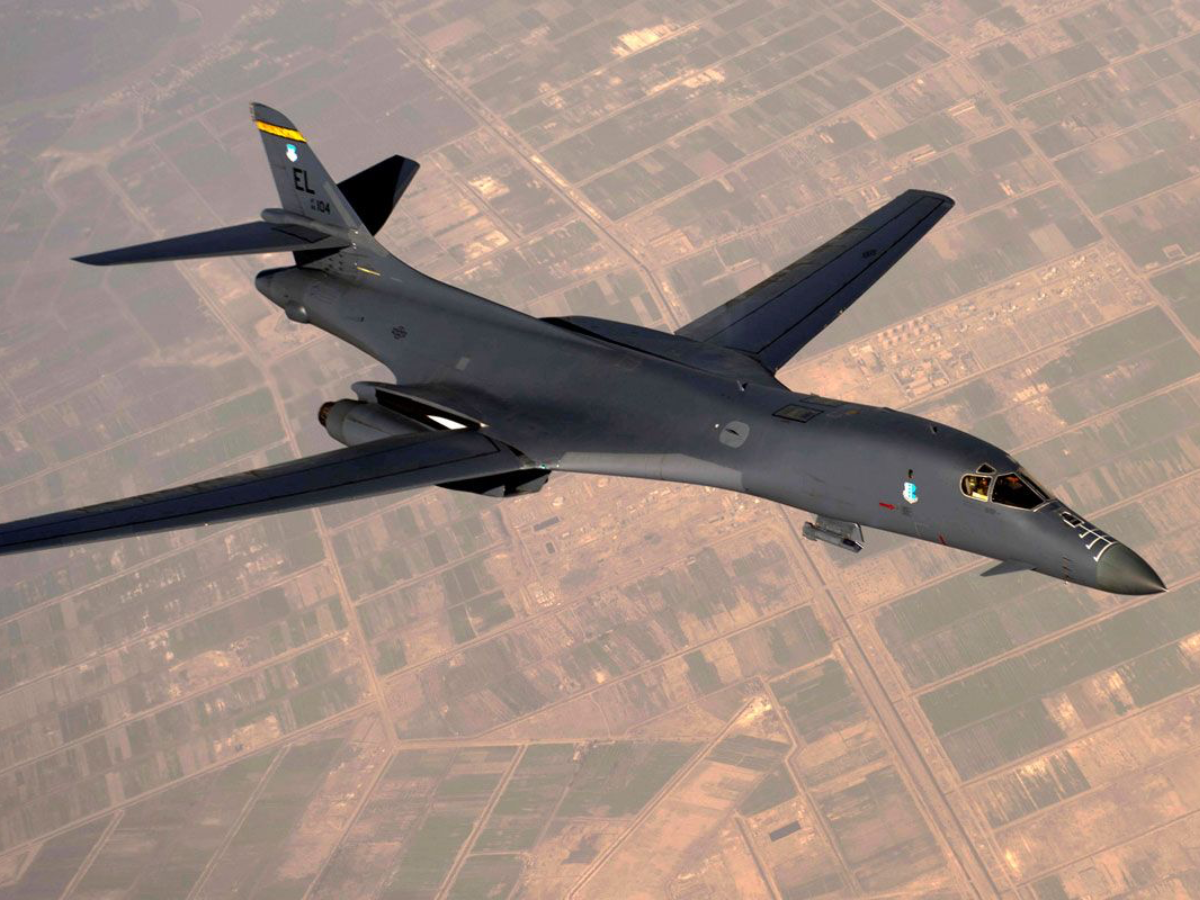
Payload & Armament of B-1B Lancer
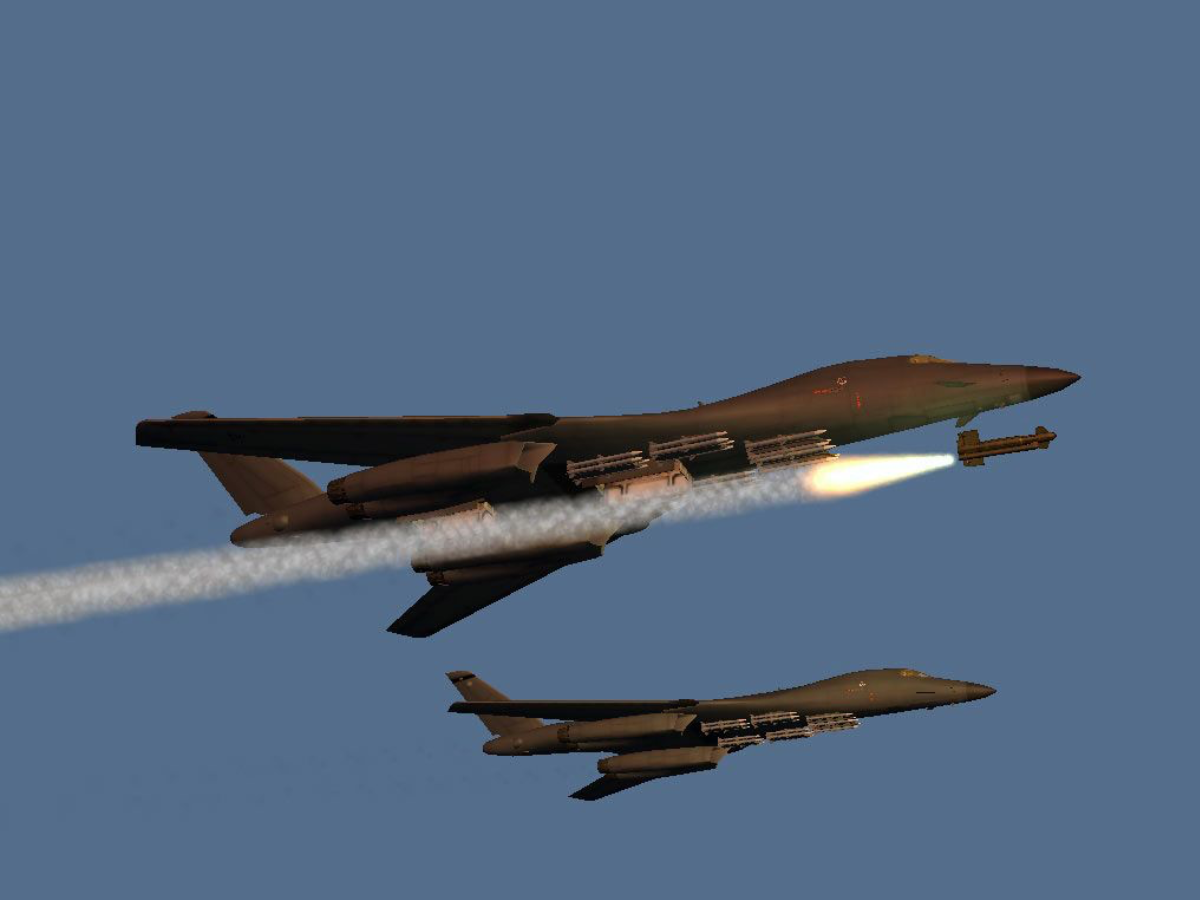
With three internal bomb bays and external hardpoints, the B-1B can deliver a wide range of ordnance, from GPS-guided JDAMs to cluster bombs and mines. Modern upgrades allow integration of hypersonic missiles, expanding its strike capability. The flexible payload makes the B-1B a critical asset in both precision and area strikes.
(Photo: Pinterest)
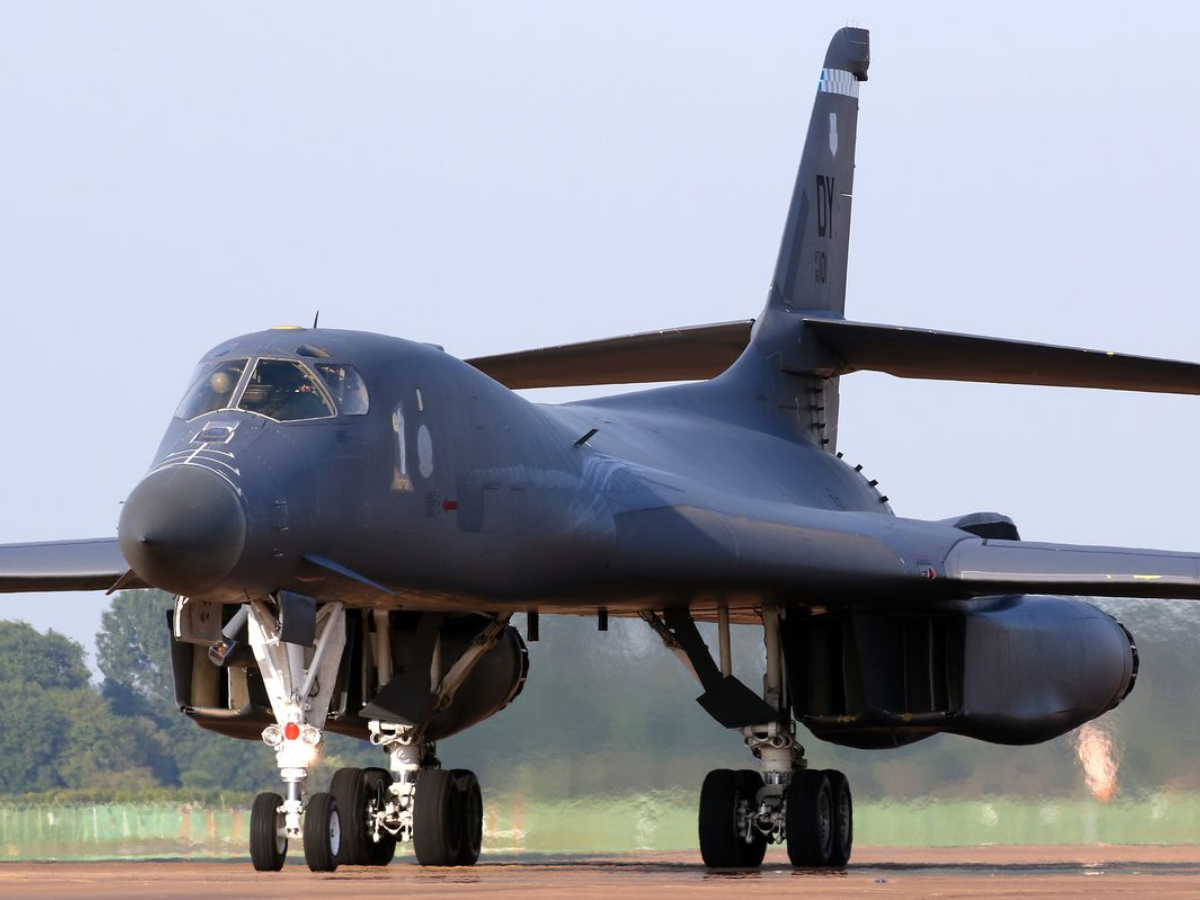
Avionics & Defense Systems of B-1B Lancer
The B-1B’s avionics suite combines offensive and defensive systems. Forward-looking radar, terrain-following capabilities and GPS guidance enable precision strikes.
Defensive jammers, missile warning systems and low radar cross-section reduce detection. This integrated electronics package ensures the B-1B can operate effectively in contested airspace with minimal vulnerability.
(Photo: Pinterest)
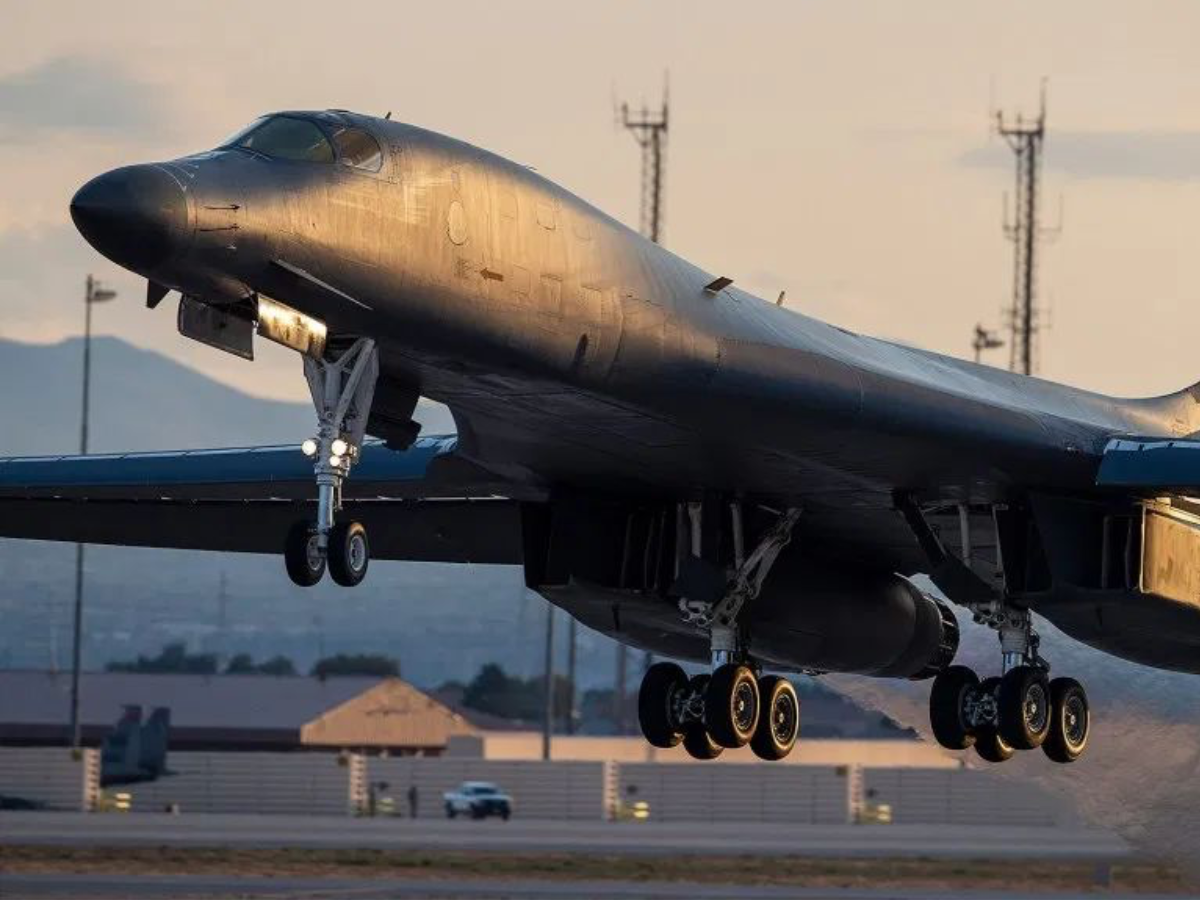
How Much Cost of B-1B Lancer
The B-1B is a costly yet strategic asset where each aircraft costs $317 million, excluding long-term maintenance and fuel. A 12-hour mission can cost over $700,000, reflecting the complex systems and engines. Despite this, its range, payload and versatility make it invaluable for long-range precision missions.
(Photo: Pinterest)
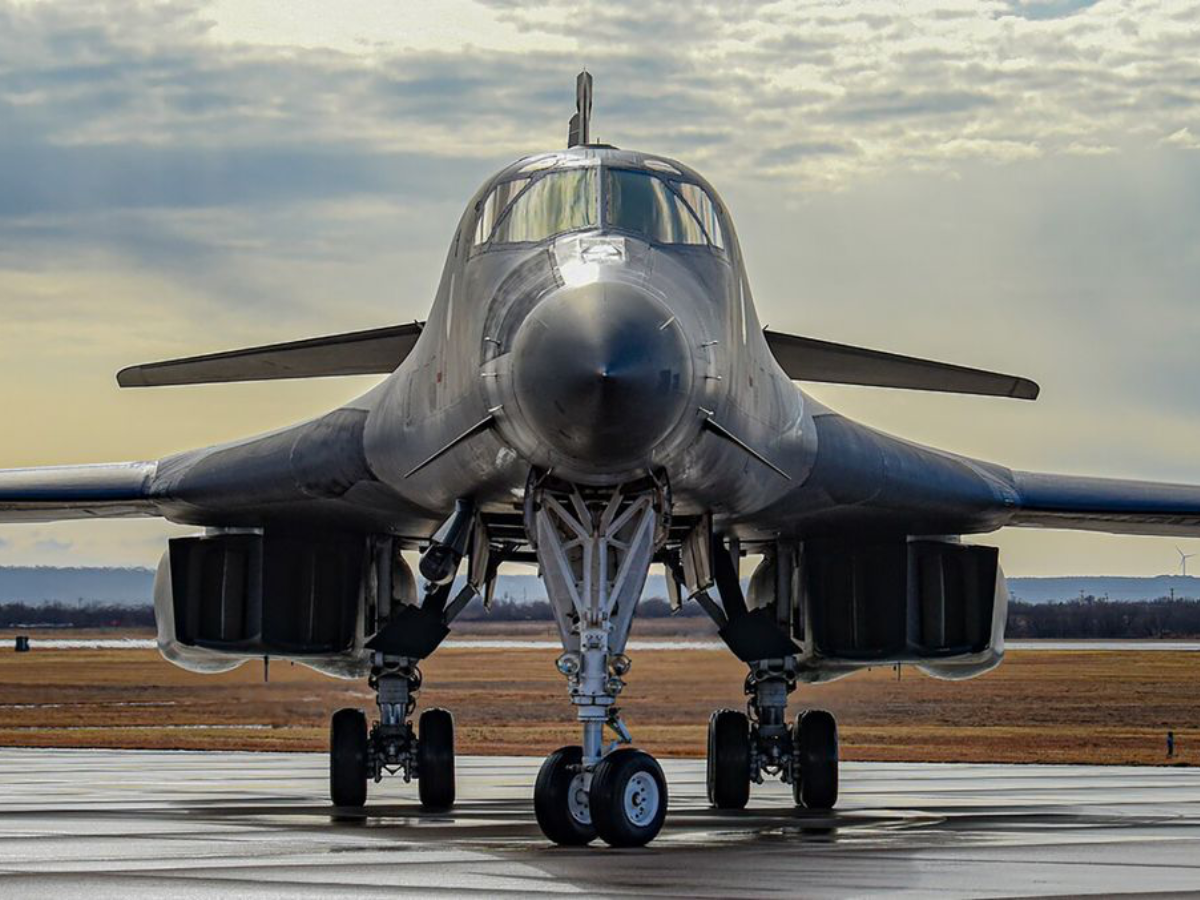
B-1B Lancer: Role in US Strategy
The B-1B serves as a cornerstone of U.S. long-range strike strategy where its ability to carry large payloads to any theater within hours allows rapid response to crises. Reassigned to Global Strike Command in 2015, it now supports both deterrence and precision conventional operations, complementing the B-52 and B-2 bombers.
(Photo: Pinterest)
Modern Upgrades of B-1B Lancer
Upgrades have kept the B-1B relevant where Block D/E added smart weapons and improved jamming; IBS integrated flight and threat management displays and Sniper XR pods enable precision targeting. Modifications to the internal bays now allow heavier ordnance and potential hypersonic weapons, extending operational flexibility for future conflicts.
(Photo: X)
Countries Operating the B-1B Lancer
Only the U.S. Air Force operates the B-1B, maintaining exclusive control over its advanced technology and strategic capabilities. All 45 active aircraft are deployed domestically and abroad as required. No other country operates the B-1, ensuring it remains a unique component of US global strike power.
(Photo: Pinterest)
B-1B Lancer Impact on Strikes
In the latest operation, three B-1Bs flew nonstop to Iran, targeting ballistic missile and command facilities. This highlights their ability to deliver precision strikes over extreme distances. Their payload flexibility and speed allow strategic operations with minimal logistical constraints, reinforcing US deterrence and operational reach in high-threat regions.
(Photo: Pinterest)
Legacy & Significance of B-1B Lancer
Over three decades, the B-1B has proven its value through record-setting missions and combat effectiveness. Its adaptability from nuclear deterrence to conventional strikes demonstrates strategic evolution. Globally recognized for speed, payload and precision, the B-1B remains a cornerstone of U.S. airpower and a key component of military aviation history.
(Photo: Pinterest)
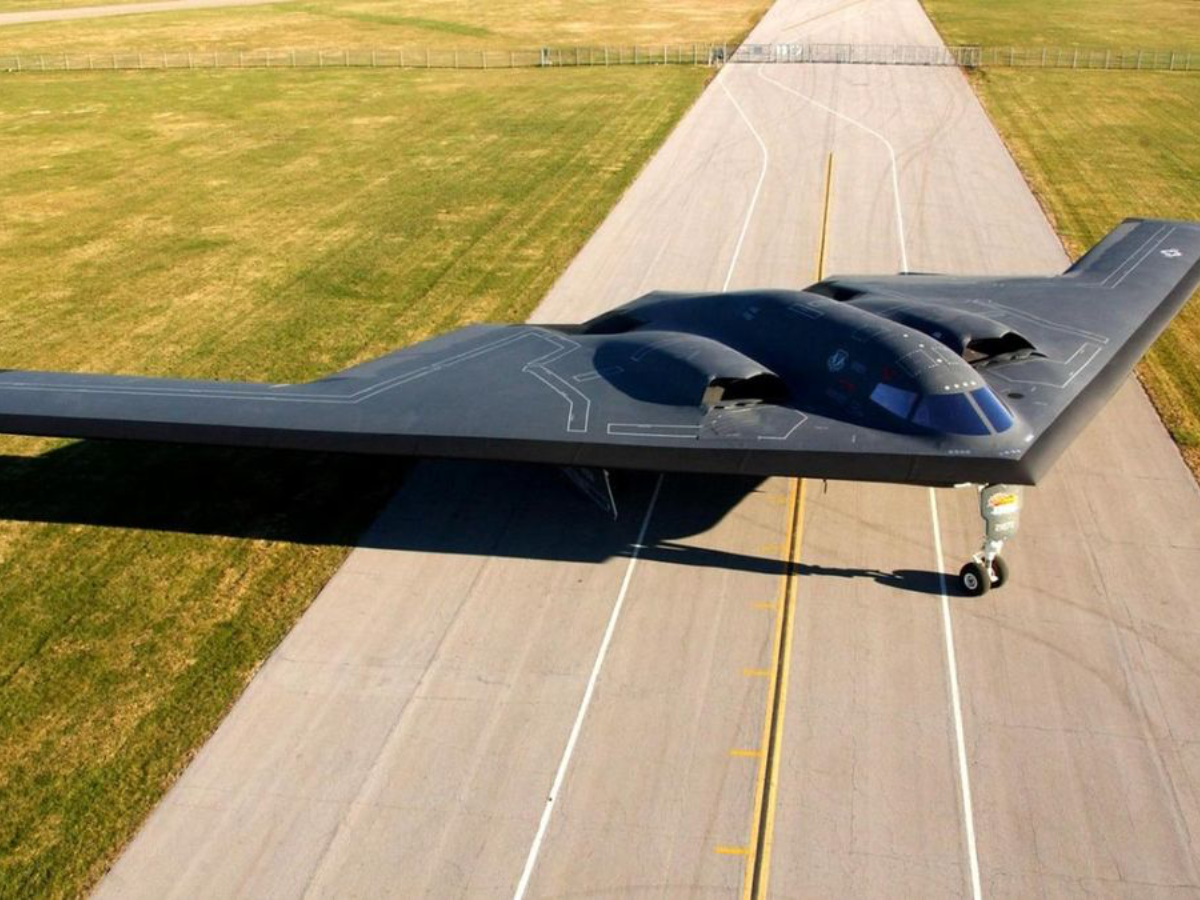
Future Replacement of B-1B Lancer
B-21, replacement, B-1B, future
Body: The B-21 Raider is designed to succeed the B-1B, providing advanced stealth, extended range and multi-domain strike capability. Expected to enter service after 2025, it will gradually replace the B-1B by 2036, maintaining the U.S. Air Force’s strategic bomber fleet and ensuring long-term global strike readiness.
(Photo: Pinterest)




