NASA is investigating a helium flow interruption that could delay the Artemis II crewed Moon mission and impact its planned launch schedule
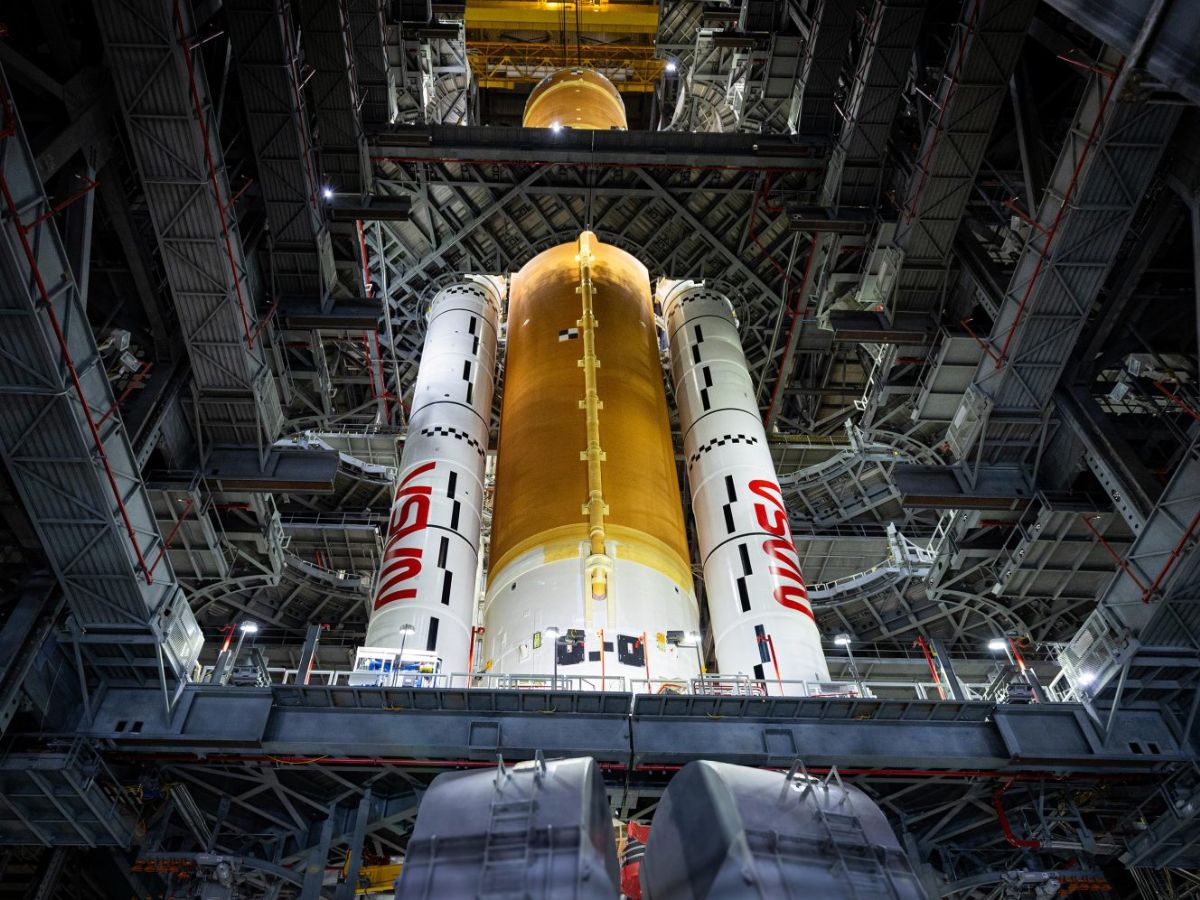
NASA, Artemis II (Source:X)
NASA is considering moving the Artemis II rocket and the Orion spacecraft back from the launch pad after engineers discovered a problem with the helium flow system, the space agency confirmed on Saturday.
The agency warned that the issue could affect the planned launch timeline.
“This will almost assuredly impact the March launch window," NASA said in a statement, indicating that a delay is likely.
Helium is essential for rocket operations. It is used to pressurise fuel tanks and support engine systems during launch. Any disruption in helium flow is treated as a serious safety concern and must be fully resolved before liftoff.
As an update to my earlier post.
- The ICPS helium bottles are used to purge the engines, as well as for LH2 and LOX tank pressurization. The systems did work correctly during WDR1 and WDR2.
- Last evening, the team was unable to get helium flow through the vehicle. This… https://t.co/Qte3nEXwQb— NASA Administrator Jared Isaacman (@NASAAdmin) February 21, 2026
Artemis II is NASA’s first crewed mission under the Artemis programme, which is focused on returning humans to the Moon and building a long-term human presence there.
The mission will use NASA’s Space Launch System (SLS) rocket to carry four astronauts aboard the Orion spacecraft. The crew will travel on a lunar flyby, looping around the Moon before safely returning to Earth.
This mission follows Artemis I, an uncrewed test flight that launched successfully in 2022. Unlike that mission, Artemis II will have astronauts onboard, marking a major milestone for NASA.
Artemis II is a key step toward Artemis III, which aims to land astronauts on the Moon for the first time since Apollo 17 in 1972. Success of this mission is critical before NASA attempts another crewed lunar landing.
NASA’s Artemis programme has faced several delays in recent years. Artemis I was postponed multiple times before finally launching in November 2022.
Preparations for Artemis II have also been slowed by technical checks, including inspections of the spacecraft’s heat shield and reviews of other hardware. NASA had earlier aimed for a late 2024 launch but later moved the schedule into 2025.
The newly discovered helium flow issue adds another challenge to the programme as NASA prepares for its first crewed Moon mission in more than 50 years.
Engineers are now evaluating whether the rocket needs to be rolled back to the Vehicle Assembly Building for deeper inspections and possible repairs. If this step is required, the mission could be delayed by weeks or even months.
Despite the setback, NASA stressed that astronaut safety remains its highest priority as it continues working toward future deep-space missions under the Artemis programme.
