Bangladesh Cricket Board refuses to send the team to India for the T20 World Cup 2026 after Mustafizur Rahman’s IPL exit, raising safety and political concerns and urging ICC venue shift.
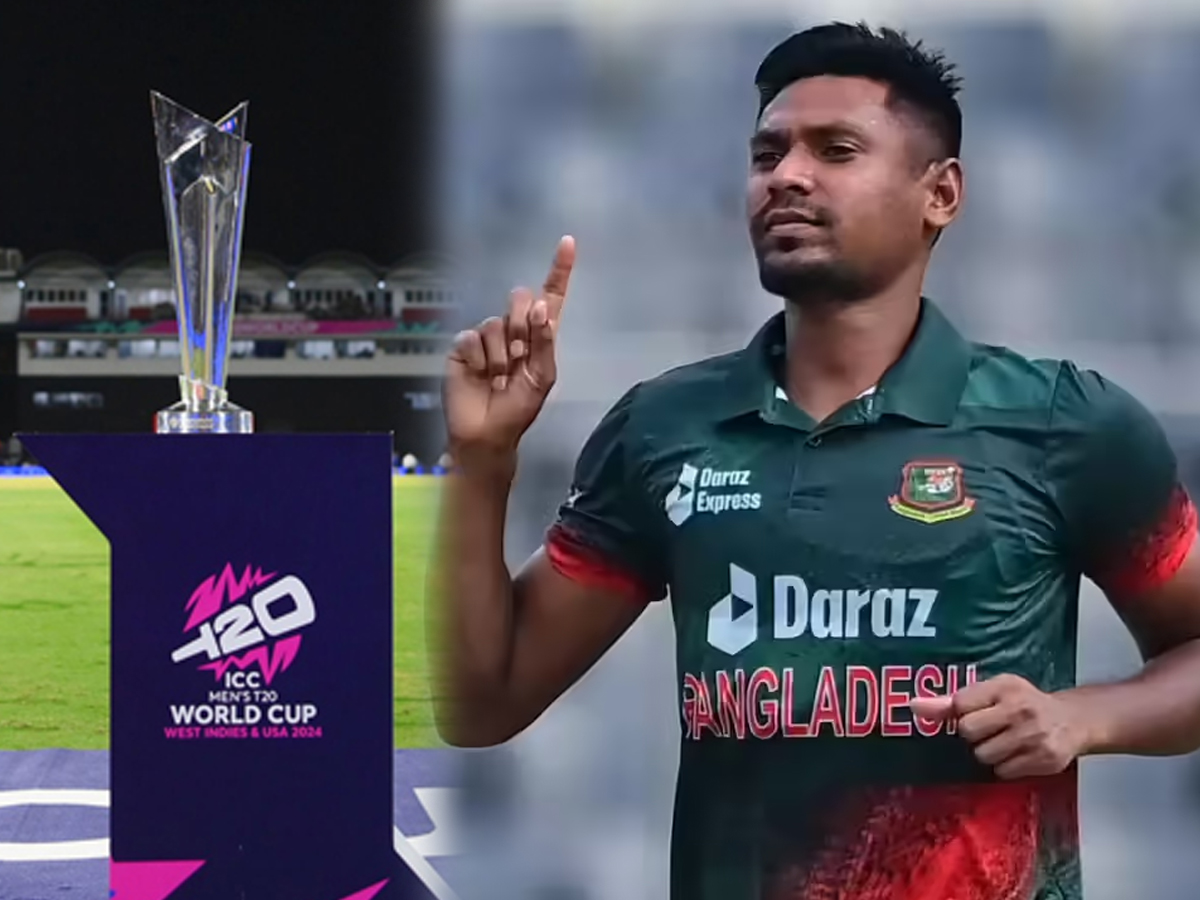
The dispute began after the Board of Control for Cricket in India requested that Kolkata Knight Riders release Mustafizur Rahman. (File Photo)
Bangladesh cricket has taken a strong stand ahead of the T20 World Cup. The Bangladesh Cricket Board has decided not to send its team to India for the tournament scheduled to begin on February 7. The move follows a major controversy involving pacer Mustafizur Rahman and has added fresh uncertainty to the global event.
Player safety, political pressure, and cricket diplomacy are now closely intertwined in a decision that could significantly alter the World Cup schedule.
Bangladesh’s youth and sports adviser Asif Nazrul confirmed the decision on Sunday after a meeting of the Bangladesh Cricket Board. “Bangladesh will not go to India to play the World Cup, it was decided by the Bangladesh Cricket Board today,” he wrote on Facebook.
He added, “We welcome this decision taken in the context of the radical communal policies of the Indian cricket board.” Bangladesh was scheduled to play four group matches in India. Three games were set for Kolkata, while one was planned in Mumbai. All four fixtures now stand in doubt.
The dispute began after the Board of Control for Cricket in India requested that Kolkata Knight Riders release Mustafizur Rahman. The left-arm pacer was bought for ₹9.20 crore after a bidding war at the IPL auction held in Abu Dhabi.
The decision came amid growing criticism of actor Shah Rukh Khan for retaining Rahman while reports of attacks on Hindus in Bangladesh were circulating. The move triggered strong reactions in Bangladesh.
The Bangladesh Cricket Board has decided to revoke the No Objection Certificate granted to Rahman for the IPL. It will also write to the BCCI seeking a formal explanation.
The Bangladesh Cricket Board has already written to the International Cricket Council. It has requested that its World Cup matches be moved out of India and shifted to Sri Lanka.
BCB director Khaled Mashud Pilot explained the concern clearly. “If they have said they cannot provide security to one of our players, how will they ensure the security of our entire team? That is why we will not go there to play."
The board believes the issue goes beyond one player and reflects a larger safety risk.
The fallout has spilled beyond cricket. Asif Nazrul said he had asked Bangladesh’s information and broadcasting ministry to stop airing the IPL in the country. Cultural affairs adviser Mostofa Sarwar Farooki also reacted strongly.
“What happened with Mustafizur in the IPL is despicable. Bangladeshi citizens have witnessed the politics of hatred in this incident and are deeply saddened.” He added, “The safety of our cricket or football teams there in the future will also surely be considered.”
The ICC already shifted the India–Pakistan group match to a neutral venue under its hybrid hosting model. Bangladesh’s refusal now presents a bigger challenge. If the ICC agrees to Bangladesh’s request, more matches may move out of India. If not, the tournament could face further diplomatic strain.
With less than two months to go, cricket’s biggest event is now caught between sport and politics. The next move by the ICC could define how global cricket handles such conflicts in the future.
