
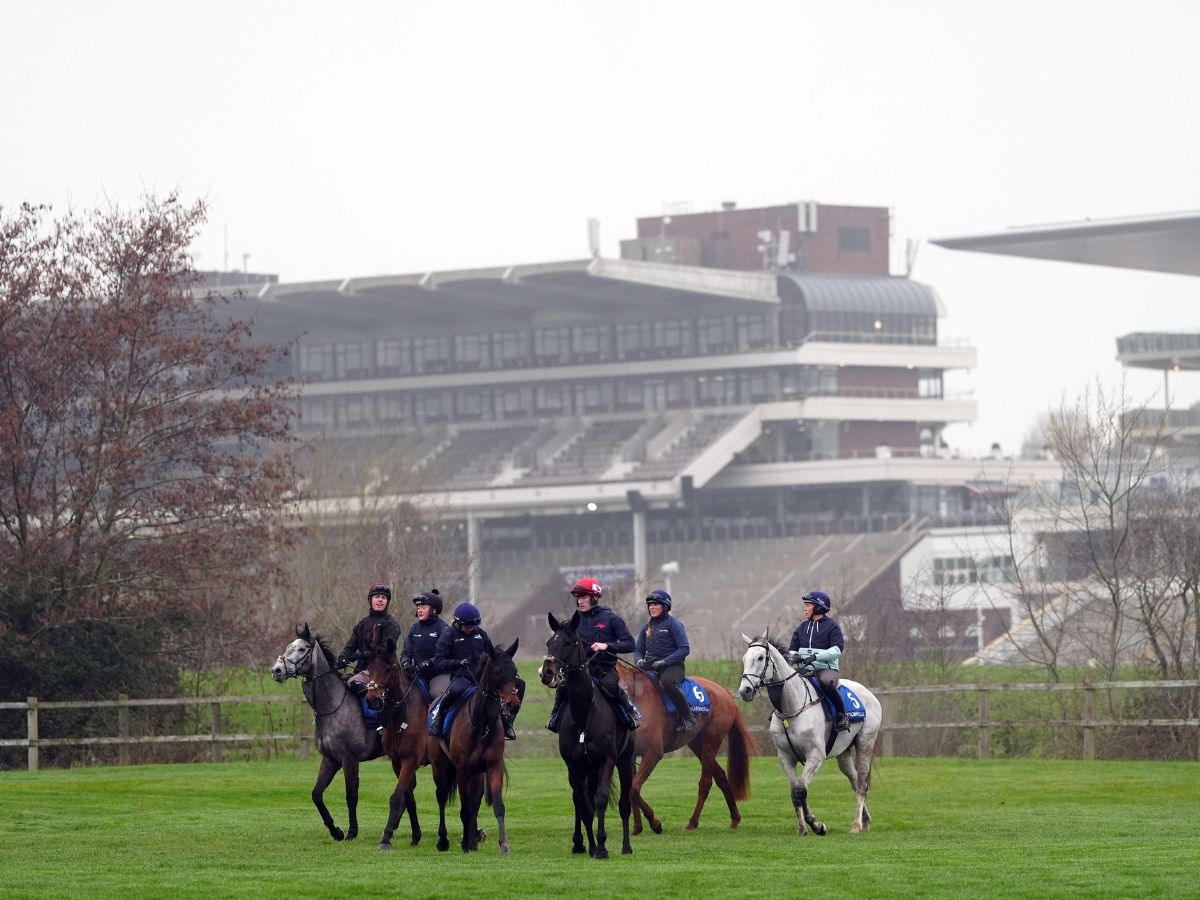
The Cheltenham Festival 2026 has further established itself as the highest paying week in National Hunt racing, offering a prize pool of over 4. 8 million. From March 10 to March 13 2026 when the jump racing community gathers at Prestbury Park, the chance to win has become the greatest ever for owners, trainers, and jockeys. Of course, winning one of the races at the Festival gives an incomparable feeling of fulfillment. However, alongside the prestige, the Festival has opened the door to much bigger paychecks especially for the Grade 1 highlight events.
Cheltenham Festival 2026 Prize Money Breakdown
| Race | Date | Total Prize Fund | Winner’s Share (Approx.) |
| Champion Hurdle | Tuesday, March 10 | £450,000 | £253,000 |
| Champion Chase | Wednesday, March 11 | £400,000 | £225,000 |
| Stayers’ Hurdle | Thursday, March 12 | £325,000 | £182,000 |
| Cheltenham Gold Cup | Friday, March 13 | £625,000 | £351,000 |
Distribution Of Wealth Across The Festival
At Cheltenham, it’s not just the winners who take home prize money. In most Grade 1 races, they pay out all the way to eighth place. That way, more trainers and owners get something back for their effort, and at least some of the travel and entry costs don’t sting quite as much.
-
Grade 1 Novice Events: Races like the Arkle Challenge Trophy and the Supreme Novices’ Hurdle carry purses of approximately £175,000 each.
-
Premier Handicaps: High-entry races such as the Coral Cup and the Pertemps Network Final offer prize funds in the region of £100,000 to £125,000.
-
The Ryanair Chase: This Grade 1 feature on St Patrick’s Thursday holds a substantial purse of £375,000, making it one of the most valuable prizes outside the main four championship races.
Historical Growth And Economic Impact
The 2026 Festival has seen a 5% increase in overall prize money compared to 2025, a move by the Jockey Club to combat the lure of high-value international prizes. This investment ensures that the best horses from the UK, Ireland, and France congregate at Cheltenham. Beyond the track, the Festival is estimated to contribute over £275 million to the local Gloucestershire economy, driven by the 250,000 spectators who attend over the four days.




