Red Bull's Oscar Cooper has outlined in detail the 'aerodynamic secrets' of an F1 car.
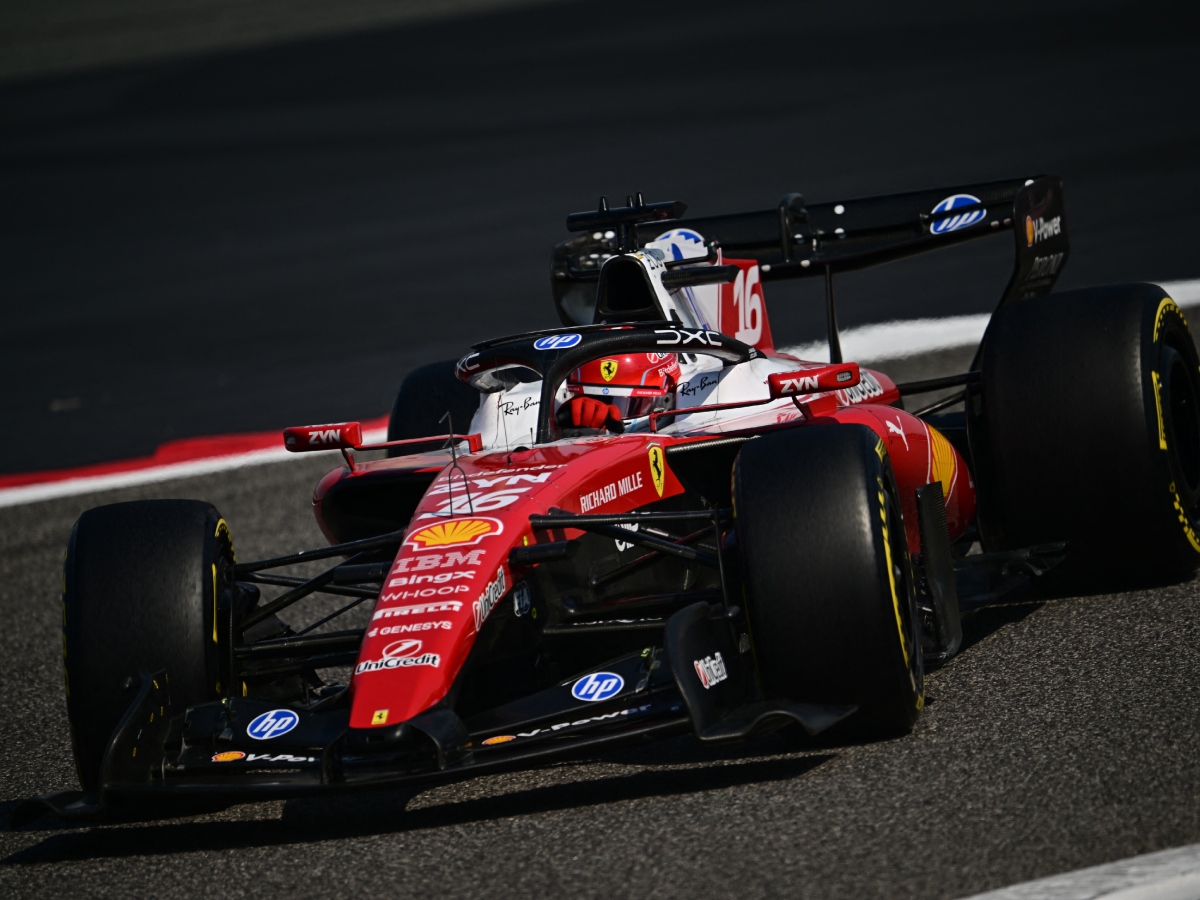
Red Bull’s Oscar Cooper Explains The Aerodynamic Secrets Of An F1 car | Image Source - AFP
Red Bull's Oscar Cooper has outlined in detail the 'aerodynamic secrets' of an F1 car. As the Formula 1 season gears up to kickstart on March 8 in Australia, Cooper has underlined the evolution of V8-powered championship-winning vehicle or masterpiece, especially from V8 dominance to hybrid complexity and from wind tunnel intuition to simulation supremacy.
Having spent numerous years at the forefront of Red Bull's global marketing organisation, including four years with the racing team, Cooper has seen it all. He explained that a Formula 1 hardly goes unchanged during a conversation with WION News:
"It’s not a one-stop shop, one-size-fits-all for the year."
Cooper also stressed that the present landscape is different, as against when in the past there was widespread ground effect regulations.
"The regulation has changed now. We’re not running the Venturi-effect floor. So we shouldn’t see those porpoising issues. There’s always a trade-off between downforce and top speed. That’s the game. That’s the dance."
He also conceded how Computational Fluid Dynamics (CFD) has come at the forefront of the development.
"More and more now, CFD and modelling are integral to the design, development, and running of the car as well during a race weekend."
Having historically been dependent on external manufacturers for their engines, Red Bull will be deploying their own through Red Bull Powertrains.
"It’s a huge feat and a great success in and of itself to have started producing an engine three years ago and now still be at the top of the grid in terms of performance and reliability."
Also Read: F1 2026: New Lights on Formula 1 Cars Explained – What They Signal During a Race
