
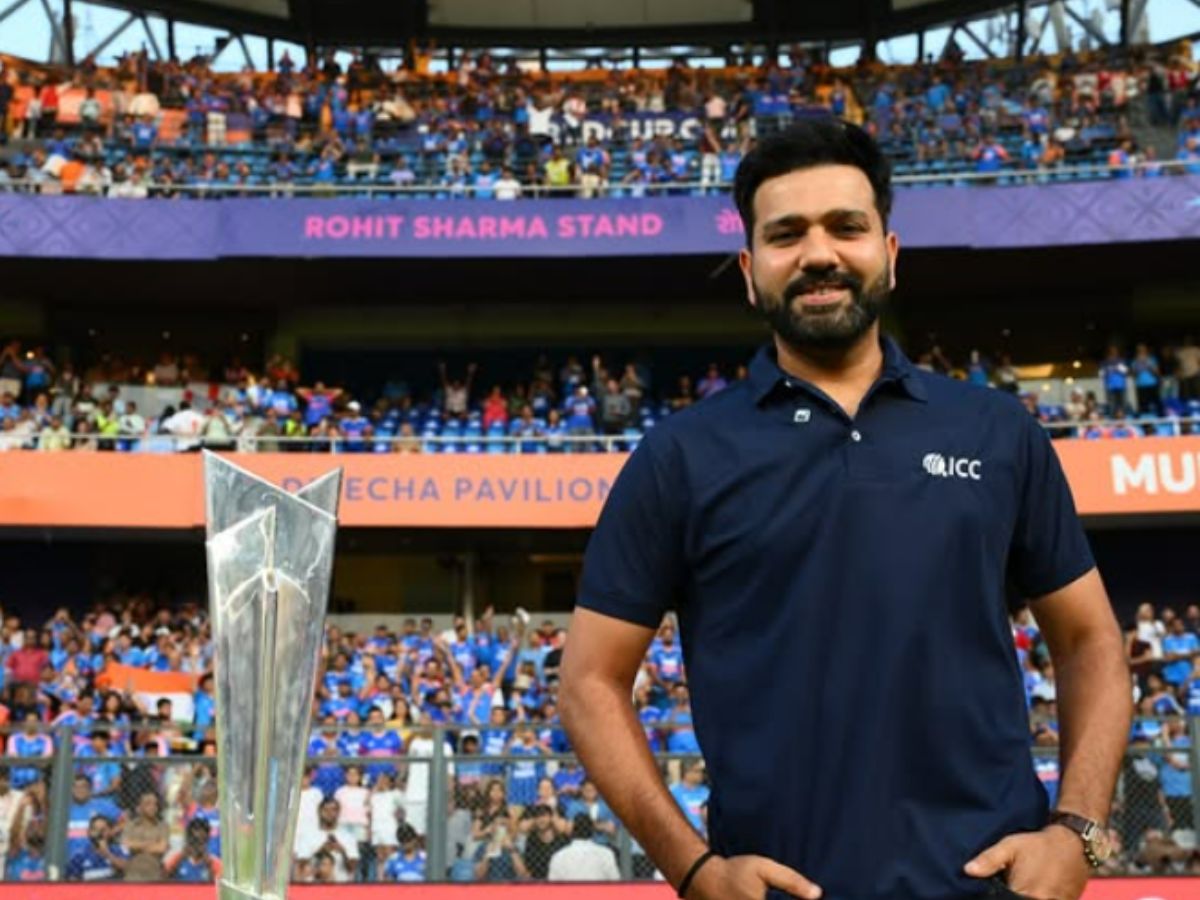
The T20 World Cup 2026 semi-final at Wankhede Stadium in Mumbai on Thursday, March 5, really came down to sharp thinking as much as raw talent. Right before the match, cameras caught Indian ODI captain Rohit Sharma chatting with bowling coach Morne Morkel. He pointed out how the wind at Wankhede would keep the ball swinging, even in the second innings. Turns out, he was spot on.
Hardik Pandya, Arshdeep Singh, and Jasprit Bumrah made the most of those swirling conditions and got way more movement than the English bowlers. That edge helped them defend a record total and seal the game.
Rohit Sharma: The Wankhede Whisperer Strikes Again
For Rohit, Wankhede Stadium isn’t just another cricket ground; it’s home turf, the place he’s truly learned the game inside out. After more than ten years leading the Mumbai Indians here, nobody knows the stadium’s little secrets like he does, especially when it comes to reading the wind.
England’s captain, Harry Brook, decided to bowl first, thinking the evening dew would flatten out the pitch. But Rohit trusted what he knew. When he chatted with Morkel, he pointed out something easy to miss if you’re not from around here: those bursts of wind that whip through the stands later in the evening. Rohit figured that breeze would keep the ball’s lacquer fresh, making it swing in ways most teams don’t expect under the lights.
Yesterday before the match, Rohit Sharma went to meet Morne Morkel and told him that “the wind wouldn’t stop and the ball would swing even when we bowl second.”
And that’s exactly what happened — Hardik Pandya, Arshdeep Singh and Jasprit Bumrah got more swing than all the… pic.twitter.com/NixJugBqT2
— Selfless⁴⁵ (@SelflessCricket) March 6, 2026
That gave India’s fast bowlers a real opening. They could attack, push their fielders up, and go for those outside edges, because Rohit knew the ball would move just enough to trouble the English batters.




