Confused about the Super 8 math? We explain the ICC T20 World Cup 2026 tiebreaker rules, Net Run Rate (NRR) calculations, and what happens if teams end on equal points.
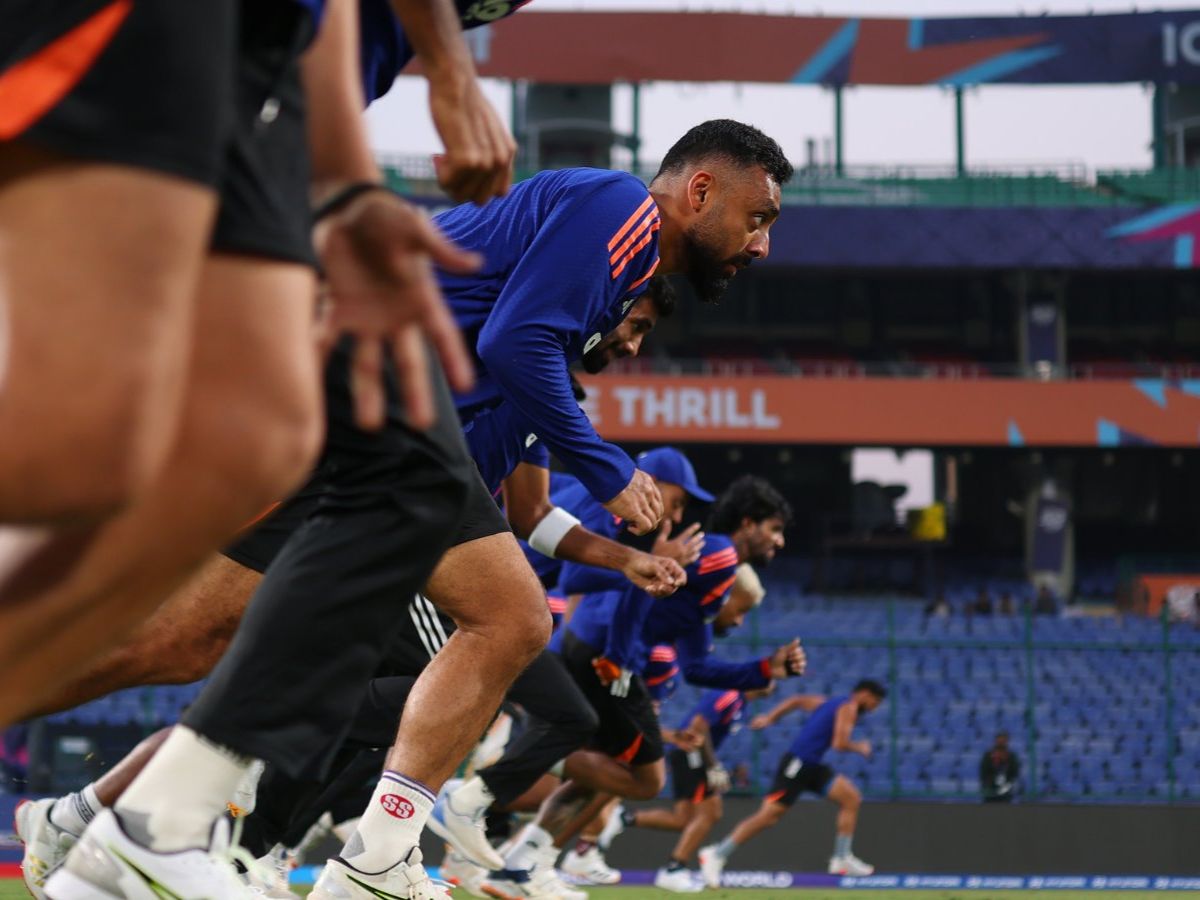
T20 World Cup 2026 Semifinal Race: How NRR and Tiebreakers Will Decide the Top 4 (Image Source: X)
The ICC T20 World Cup 2026 is nearing the most exciting and unpredictable stage of the tournament as theSuper 8 qualification battle is going down to the wire in India and Sri Lanka today. After a series of upsets, Group 1 and Group 2 have several teams currently tied on points, and the attention has moved from easy wins to complicated mathematical calculations.
The playing conditions of the tournament state that the top two teams from each Super 8 group will qualify for the semifinals; however, if there is a draw on the points table, a specific order of tiebreakers is used. Fans who want to grasp the game are now required to beaware of these rules as Net Run Rate is becoming the final decider of which teams make it to the semifinals.
The ICC uses a straightforward four-step process to break ties in the standings when teams end up with the same number of points. First up isn’t NRR, it’s the number of wins. That’s the most obvious place to start.
If two teams are locked on points because of washouts (which only give you one point), the team with more real wins comes out on top.
If teams remain level on both points and wins, the tiebreaker hierarchy is as follows:
Rain has notably influenced the 2026 edition, especially in the Sri Lankan segment of the Super 8s. A cricket match that is abandoned without any ball being bowled will result in each team getting 1 point and the NRR staying unchanged.
On the other hand, if a match becomes rain, shortened and is decided by the Duckworth, Lewis, Stern (DLS) method, the NRR is figured out in relation to the adjusted targets and the actual overs played.
