
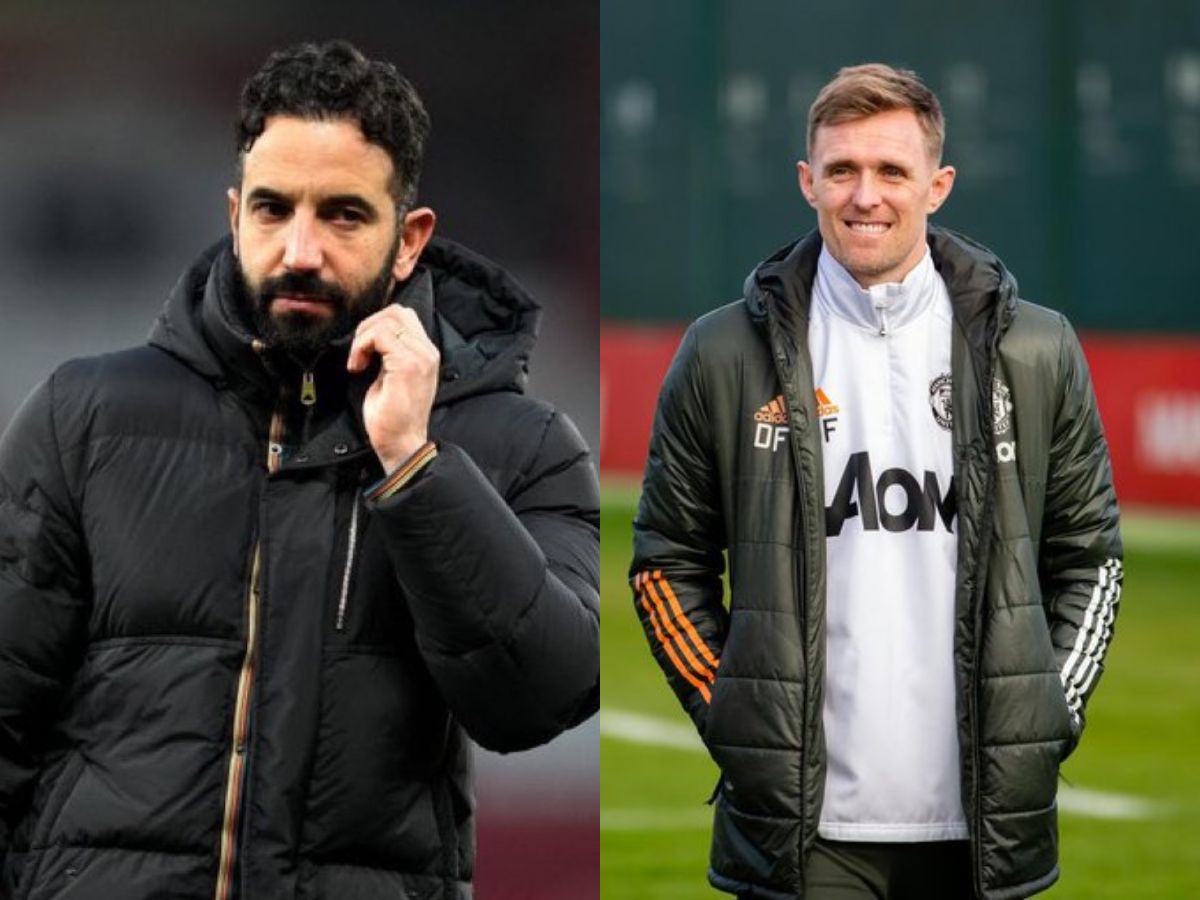
Manchester United shocked fans and the football world by sacking Ruben Amorim as their head coach on January 5, 2026, ending his turbulent 14-month spell at Old Trafford. The decision came after a series of disappointing results, mounting pressure from supporters, and a public clash with the club’s leadership.
Who is Ruben Amorim?
Ruben Amorim, 40, is a Portuguese football coach and former midfielder. He began his playing career with Belenenses and later starred for Benfica. After retiring in 2017, he quickly moved into coaching and rose to prominence managing Sporting CP in Portugal, where he won the Primeira Liga and earned praise for his tactical acumen.
Manchester United appointed Ruben Amorim in November 2024 to succeed Erik ten Hag, hoping his fresh ideas and success in Portugal would help restore the club’s fortunes. He arrived with high expectations from fans and pundits alike.
Why Manchester United Sacked Ruben Amorim?
Manchester United confirmed in a statement that the club leadership decided it was the right time to make a change while the team sits sixth in the Premier League. The move was described as “reluctant” but aimed at giving the team the best chance of a strong league finish.
Poor Results and Historic Low
Ruben Amorim’s tenure was marked by underwhelming performances in England’s top flight. Last season, United finished 15th, their worst Premier League finish in decades. This poor showing eroded confidence in his methods.
This season was not much better. After 20 league games, United had only eight wins, and inconsistency plagued the squad. The lack of momentum in key matches damaged morale and amplified calls for change.
Public Row With Club Leadership
The final catalyst appeared to be Amorim’s comments after a 1‑1 draw with Leeds United. At a press conference, he openly criticised the club hierarchy and scouting department, saying:
“I came here to be the manager of Manchester United, not to be the coach of Manchester United.”
He also urged staff to “do their job,” reflecting his frustration over his role, transfer activity, and perceived lack of control. These remarks were widely seen as a public challenge to the club’s structure and contributed to the decision to dismiss him.
Tactical Issues and Squad Fit
Amorim’s preferred tactical system also caused debate. Some analysts felt his rigid approach did not play to United’s strengths, particularly in midfield and defensive transitions. The team struggled to find consistency under his game plans, raising doubts about his fit for the squad.
Despite significant investment in players, including high‑profile signings, results did not improve sufficiently to justify keeping him in charge.
Who is Darren Fletcher? Manchester United Interim Coach
Darren Fletcher, 39, is a former Manchester United midfielder and club legend. He played over 300 games for the Red Devils between 2003 and 2015, winning multiple Premier League titles, FA Cups, and the Champions League. After retiring, Fletcher transitioned into coaching and took up a role within United’s academy and first-team management.
Known for his tactical understanding and leadership, he has now been appointed interim head coach following Ruben Amorim’s departure, tasked with stabilising the team and guiding them through the remainder of the season.
Darren Fletcher Appointed as Interim Coach
The club quickly appointed Darren Fletcher, a former United midfielder and academy coach, as interim head coach. He is set to lead the team in their next match against Burnley.
In their statement, United said they thanked Amorim for his contribution and wished him well for the future. Yet his brief reign will be remembered as one of United’s most controversial and unstable managerial periods.
Ruben Amorim: Club Statement and Interim Plan
Manchester United released an official statement confirming his exit and thanked him for his work, “This will give the team the best opportunity of the highest possible Premier League finish.”
The club appointed Darren Fletcher, a former United midfielder and academy coach, as interim head coach ahead of the next match against Burnley.
What Comes Next for Ruben Amorim?
Amorim’s time at Old Trafford saw promise but ultimately failed to meet expectations. His tenure featured a Europa League final appearance, but domestic struggles overshadowed that achievement. Many fans and pundits now reflect on his exit as a symptom of deeper issues at the club, including managerial instability and unclear long‑term strategy.
United now begin a new managerial hunt, aiming to stabilize performance and return to consistent competitiveness. Amorim’s exit underscores the pressure and expectations that come with managing one of the world’s most famous football clubs.




