
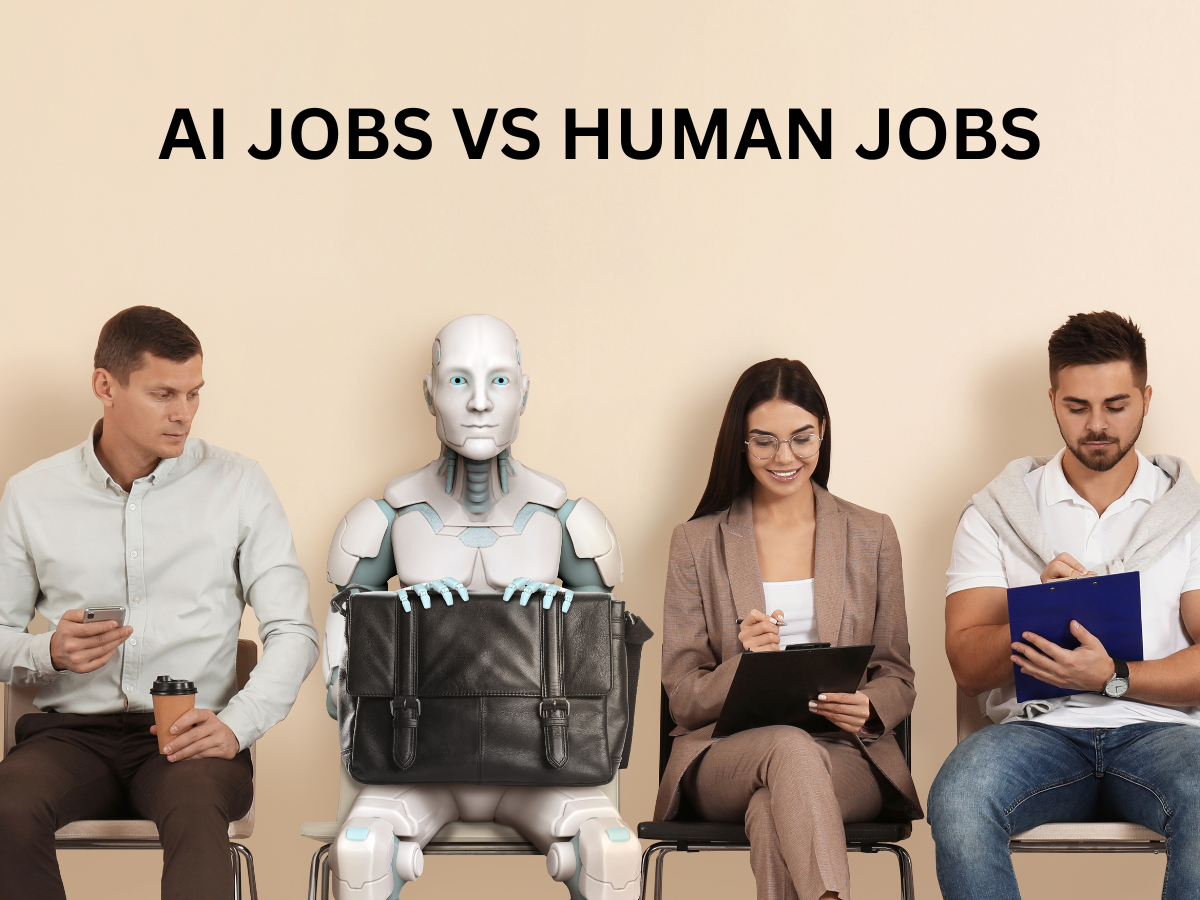
Artificial Intelligence (AI) is rapidly transforming workplaces across the world. As companies adopt AI tools to increase efficiency, many employees worry about job security. A recent study by Anthropic sheds light on which jobs may be most affected by AI and which roles remain relatively safe for now.
Study Based on Claude AI Conversations
The research analyzed nearly 2 million conversations with the AI model Claude. The study, titled “Theoretical Capability and Observed Usage by Occupational Category,” compared what AI could potentially automate with what it is actually doing today. The results show a gap between AI’s theoretical power and its real-world use.
Jobs With the Highest AI Exposure
According to the study, computer and mathematics-related jobs have the highest theoretical exposure to AI at around 94%. Office and administrative roles follow closely at 90%, while legal professions also show high vulnerability. Other sectors like business, finance, architecture, engineering, and management have more than 60% exposure.
Real-World Automation Is Still Limited
Despite high theoretical exposure, actual AI usage in workplaces remains much lower. The highest observed automation rate was 33% in computer and math jobs, while most sectors reported less than 20% real AI use. Physical jobs such as agriculture, construction, and grounds maintenance showed almost zero automation.
Jobs Already Seeing Automation
Some roles are already experiencing a significant AI impact. Computer programmers show about 75% observed exposure, while data entry operators show around 67%. The study also noted slower hiring for young workers in AI-vulnerable fields.
Why Upskilling is Important
Experts say AI has not yet reached its full potential. As technology evolves, automation could increase in the coming years.
The study suggests that upskilling and adapting to AI tools will be essential for workers to stay relevant in the future job market.




