Google has rolled out Android 17 Beta 1 for Pixel devices, introducing a Canary-first update strategy that delivers features earlier and aims for a more stable Android release.
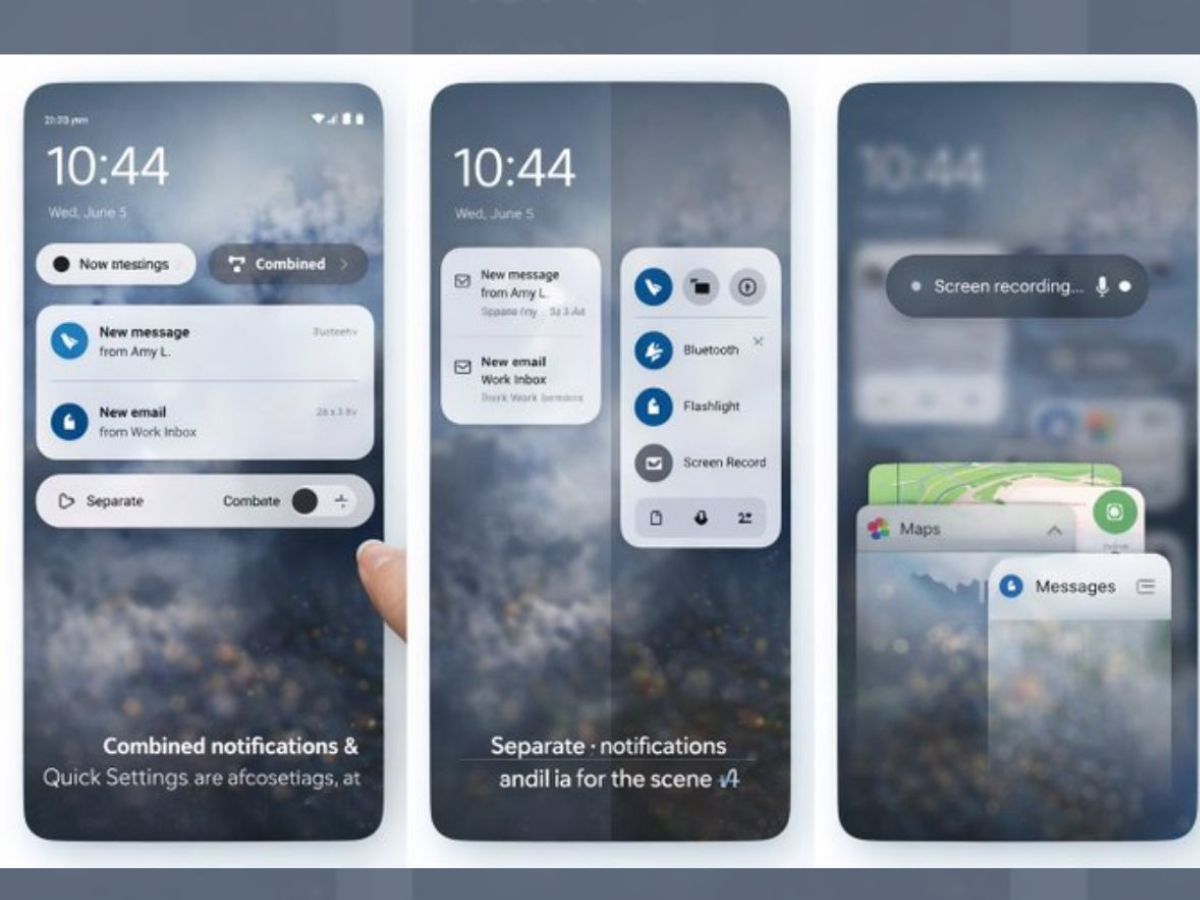
Google Launches Android 17 Beta 1 for Pixel Devices, Skips Developer Preview (File Photo)
Google has finally rolled out Android 17 Beta 1 for Pixel phones, marking a significant change in the way Google releases new versions of Android. This time around, Google has opted to bypass the Developer Preview release. Android 17 has now moved directly to the beta phase after several months of behind-the-scenes testing using its new Canary update mechanism.
The Canary update channel, launched in June, is intended to provide developers with the latest Android updates as soon as they are ready after passing internal testing. Unlike other preview releases, the Canary channel is always on and updated via Over-The-Air (OTA) downloads, eliminating the need for manual flashing.
Google explains that its new strategy allows for the earlier delivery of new features and APIs, as well as the creation of a more stable beta build. Since the Canary builds are tested in real-world conditions for a longer period, bugs are discovered earlier. Google further explains that the Canary update channel is more aligned with continuous integration (CI) and enables developers to spot bugs earlier and shape platform decisions earlier in the process.
With the release of Android 17, Google is further emphasizing its initiative for fully adaptive app design. Apps that target API level 37 are now required to automatically span the entire width of large-screen devices such as tablets, foldable devices, and desktop-style windowed configurations.
The opt-out option, which was introduced last year, is now gone. Although this does not affect games, most apps are now required to seamlessly adapt to different screen sizes without black bars or letterboxing.
Performance is another major focus area in Android 17. Google informs that the new version contains improvements to decrease dropped frames, lower CPU consumption associated with garbage collection, and implement more aggressive system-level optimizations.
The firm has also minimized memory consumption associated with notifications. All these efforts are aimed at making the operating system feel smoother and more responsive, even when used for a longer period of time.
Android 17 introduces improvements to support advanced media scenarios. The Camera APIs have been enhanced to enable smooth transitions between modes and operations, preventing freezes or glitches during video recording or photo shooting.
In terms of audio, Google introduced a new loudness management API. This functionality is designed to offer more consistent audio levels across different applications and devices, which has long been a problem for users who experience sudden volume changes when switching media.
On the whole, Android 17 Beta 1 reflects Google’s attempt to make big changes to the platform feel less jarring. With the Canary build offering a testing ground for features before they hit the beta channel, Google is hoping that developers and users will be less surprised by what’s to come.
For developers and Pixel owners, this should mean a more predictable future and a less rocky ride as Android moves forward
