Android 17 leaks reveal a modern blurred UI, redesigned screen recorder, native app lock, and major Quick Settings changes, pointing to a big visual upgrade in 2026.
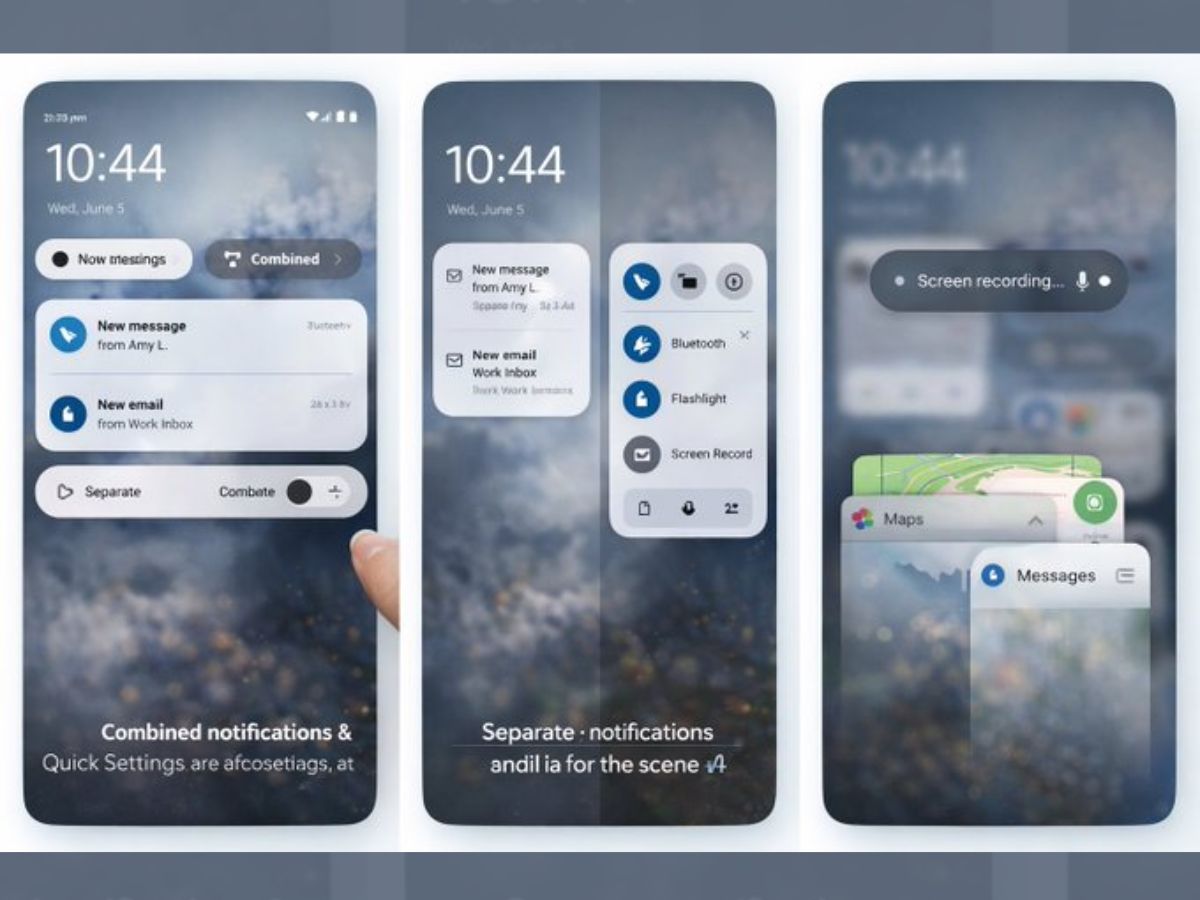
Android 17 leaks reveal a modern blurred UI [Photo: X]
Leaks surrounding Android 17 show that Google is planning one of its most visually refined Android updates in years. Internal builds reveal that the next version of Android is adding widespread blur and transparency effects across the system interface.
This would give menus and overlays a translucent, layered look that lets wallpapers and opp icons subtly show behind UI elements. These design tweaks build on Android's current Material 3 Expressive visual language, marking the interface feel lighter and more coherent without a full redesign.
One of the most talked‑about aspects of the Android 17 leak is the blur effect applied system‑wide, from the volume bar to the power menu and system panels. Instead of solid light or dark background blocks, UI elements will appear semi‑transparent, letting the user’s wallpaper and underlying content shine through.
This aesthetic is subtle and polished, giving the OS a cleaner and more dimensional appearance. According to leaks, the blur will be tinted by Dynamic Colour themes, meaning it will blend smoothly with individual device wallpapers and colour schemes.
Android 17 appears to introduce a new screen recorder interface that replaces the current pop‑up with a floating “pill” control. This pill interface provides quick access to options such as:
Once recording starts, the floating control remains accessible for easy management. Users may also be able to draw on recordings with multiple colours, preview clips before sharing, and make quick edits, features that enhance usability for creators and casual users alike.
For the first time, Android might include a built‑in app lock option. Leaked screenshots suggest that long‑pressing an app icon will bring up an option to “Lock app,” allowing users to secure sensitive applications without needing third‑party tools.
This would use the device’s existing lock method, such as PIN or biometrics, for consistent security. This change is especially notable for users looking for stronger native privacy controls without relying on manufacturer UI skins.
Beyond visual polish and tools, Android 17 is also expected to overhaul the Quick Settings and notification panels. The update may introduce a split‑panel layout, where notifications and Quick Settings are accessed separately, providing a cleaner and more efficient way to manage alerts and toggles.
This split view may be mandatory on large devices like foldables and tablets, optimizing the interface for bigger screens. Users might even get an option to revert to the classic combined panel on phones.
Another highly requested fix is the separate Wi‑Fi and mobile data toggles, undoing a controversial merge from past releases and giving users more granular control in Quick Settings.
Taken together, these leaks indicate that Android 17 will be less about radical reinvention and more about refining and polishing what’s already there. The expanded blur aesthetic and refined controls aim to keep Android familiar while adding a sense of depth, clarity, and usability.
While Google has not yet confirmed release timing, past reports point to a possible stable launch around mid‑2026 following a series of developer previews and beta builds. For Android users and enthusiasts, these changes suggest a visual and functional leap that prioritizes user experience, privacy, and smoother interactions in everyday tasks.
