
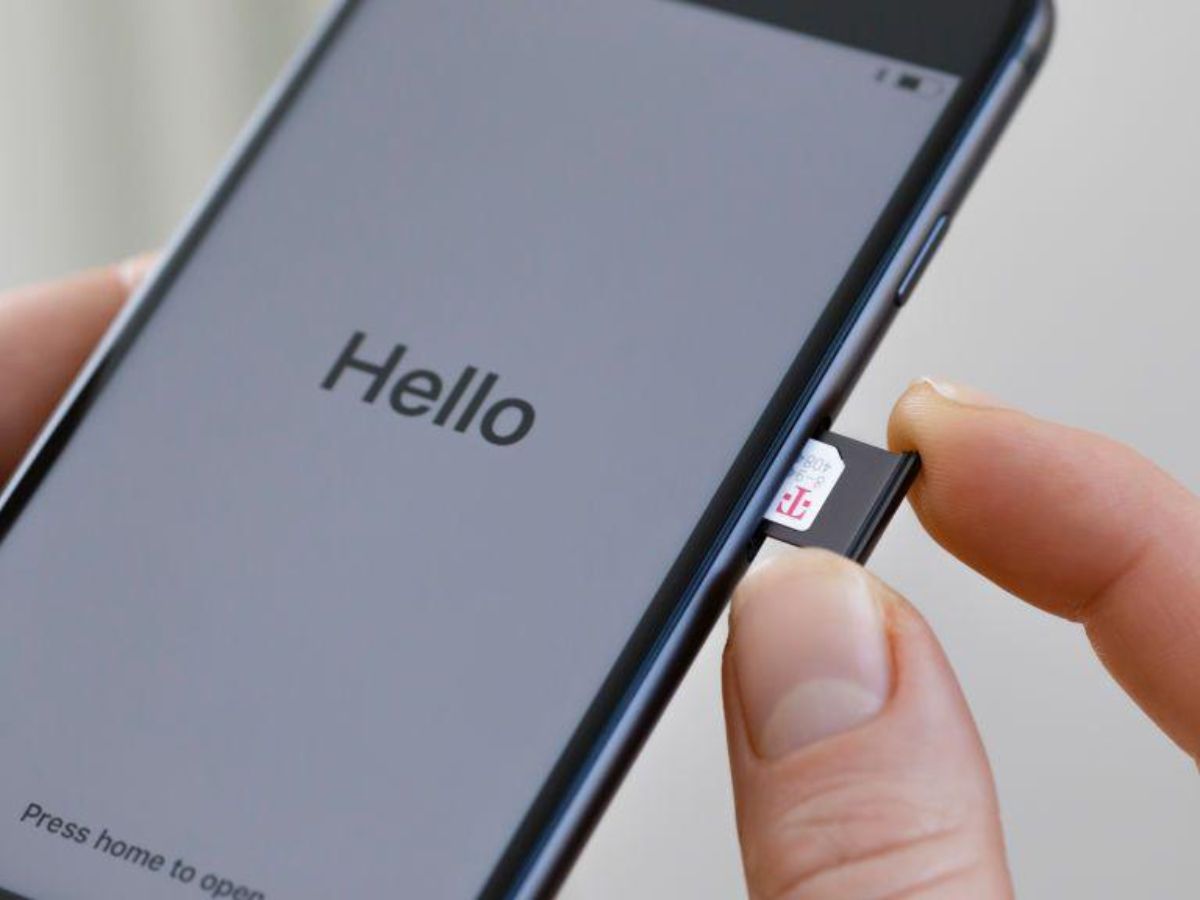
Apple’s next-generation iPhone could mark a major shift in smartphone connectivity in Europe. Fresh reports suggest that the iPhone 18 may completely remove the physical SIM tray in several European markets, pushing users toward a fully eSIM-based experience.
If Apple moves ahead with this plan, it would expand its SIM-free strategy beyond the United States and potentially change how millions of users activate and manage mobile networks.
The company first introduced an eSIM-only iPhone model in the US with the iPhone 14 series. Now, industry reports indicate that the upcoming iPhone 18 could take the same route in Europe, subject to regulatory approvals.
iPhone 18 eSIM: Apple May Ditch SIM Trays, Embrace eSIM in Europe
Apple appears ready to deepen its commitment to eSIM technology. According to reports, the iPhone 18 may launch without a physical SIM slot in European countries. This would mean users activate their mobile plans digitally rather than inserting a SIM card into the device.
The move would align Europe with Apple’s US strategy, where iPhones no longer include SIM trays. By removing the SIM slot, Apple simplifies hardware design and encourages carriers to modernize their digital activation systems.
However, Apple must ensure that telecom providers across Europe fully support eSIM functionality before making this transition official. Some regions already offer widespread eSIM compatibility, while others still rely heavily on traditional SIM cards.
If regulators and carriers give the green signal, the iPhone 18 could become Apple’s first SIM-free model in Europe.
iPhone 18 eSIM: Why Apple is Removing the SIM Tray?
Removing the SIM tray is not just about pushing digital technology. It also creates valuable internal space inside the device. Smartphone manufacturers constantly look for ways to optimize space without increasing size or thickness.
By eliminating the physical SIM slot, Apple can free up internal room that engineers may use to improve battery size, enhance cooling systems, or integrate upgraded components. This subtle design change could deliver meaningful performance improvements.
The company already proved that an eSIM-only model works in the US market. Expanding this approach to Europe would show Apple’s confidence in digital SIM adoption globally.
iPhone 18: Bigger Battery & Hardware Upgrades Expected
Battery life remains one of the most important features for smartphone buyers. Reports suggest that removing the SIM tray could allow Apple to increase battery capacity, particularly in premium models like the iPhone 18 Pro and Pro Max.
Even a small increase in internal space can make a noticeable difference in battery performance. Users could benefit from longer screen time, better gaming performance, and improved standby duration.
Apple could also use the extra space to upgrade internal cooling systems. Improved thermal management would help the phone maintain peak performance during heavy tasks such as gaming, video editing, or AI processing.
Despite these internal changes, Apple is expected to maintain its slim and premium design language.
iPhone 18: How eSIM Works & What It Means for Users?
An eSIM, or embedded SIM, removes the need for a physical card. Instead, users activate mobile plans digitally through carrier apps or QR codes. Switching networks becomes faster, and travellers can easily add international plans without swapping SIM cards.
For many users, especially those already within Apple’s ecosystem, the transition may feel seamless. Apple’s software integration allows quick plan transfers between devices.
However, some challenges remain. Users switching from Android phones or older devices may need assistance during the initial setup. Certain carriers may also require infrastructure upgrades to support full eSIM adoption.
Despite these hurdles, industry analysts believe digital SIM technology represents the future of mobile connectivity.
iPhone 18 eSIM: Will Europe Fully Adopt eSIM Technology?
Europe has gradually expanded eSIM support over the past few years. Many major carriers already offer digital SIM options, but physical SIM cards remain common in several markets.
If Apple launches the iPhone 18 without a SIM tray in Europe, it could accelerate eSIM adoption across the region. Carriers may upgrade their systems faster to meet consumer demand.
Apple’s influence often drives industry-wide change. When the company removed the headphone jack years ago, many brands followed. A similar shift could happen with SIM trays.
iPhone 18 eSIM: What Does This Mean for Apple’s Future Strategy?
Apple continues to refine its hardware while pushing digital-first solutions. By expanding eSIM-only models beyond the US, the company signals its confidence in cloud-based connectivity and streamlined device design.
If the iPhone 18 launches as a SIM-free device in Europe, it could redefine how users connect to mobile networks. At the same time, improved battery life and internal upgrades would strengthen the phone’s appeal.
As anticipation builds, Apple’s next flagship may not just introduce new features—it could reshape smartphone connectivity standards across Europe.




