NYT Connections 27 January, 2026: Sort 16 words into four groups with hints, categories and answers. Know how to play and solve today’s puzzle.
The NYT Connections puzzle for January 27 (#961) featured approachable word groupings with minimal trickery (Photo: NYT)
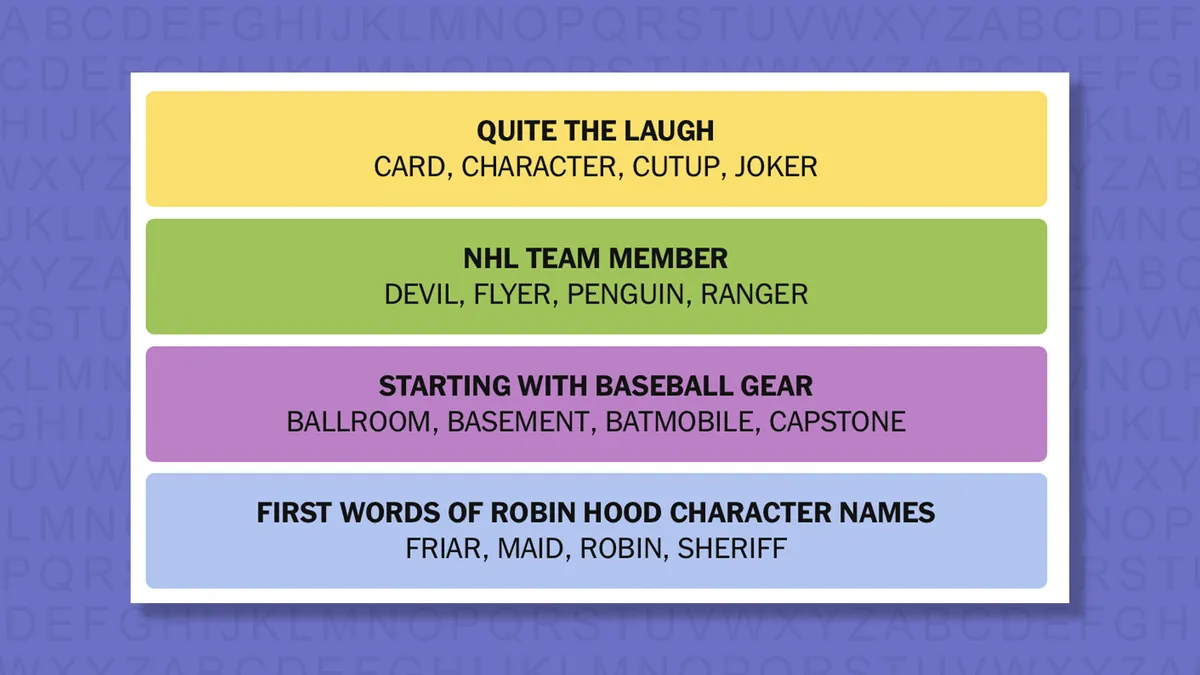
NYT Connections 27 January, 2026: Word games are a daily ritual for many people and NYT Connections is slowly but surely cultivating a loyal fan base by early 2025, the New York Times puzzles attract more than 10 million players per day, with Connections among the top three most popular games after Wordle. NYT Connections is a game that rewards pattern recognition, out of the box thinking and patient problem-solving while on January 27 puzzle (#961) was a clever mix of pop culture, sports and wordplay that stumped even the most experienced players.
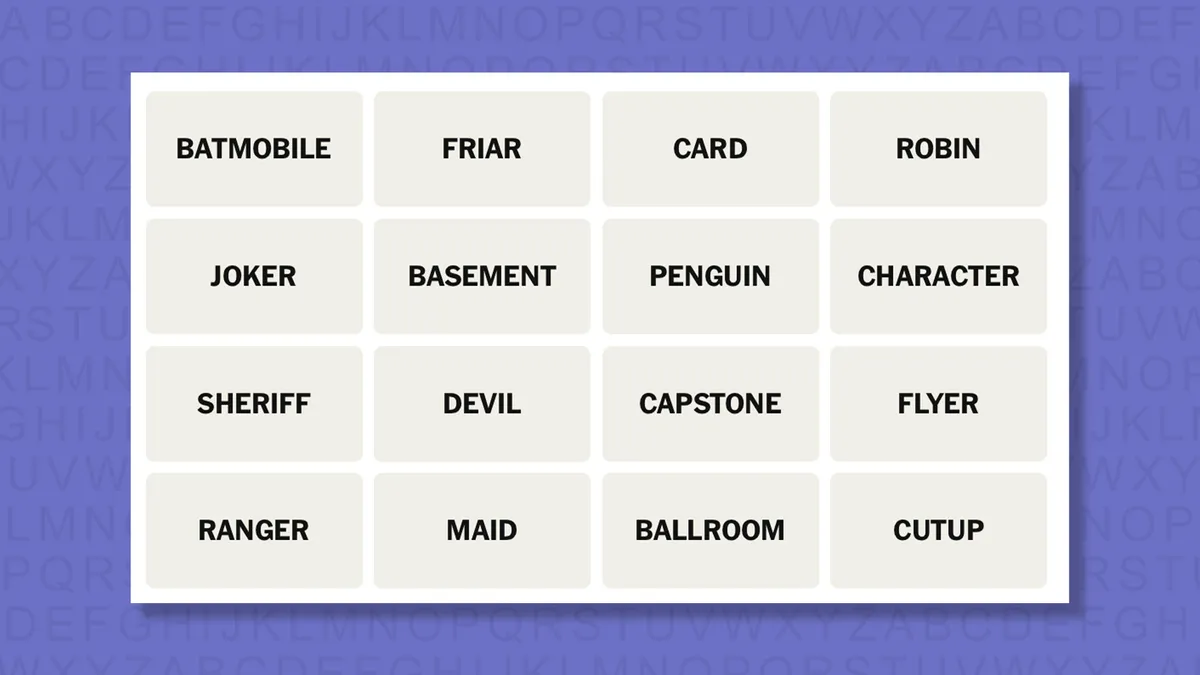
NYT Connections is a daily word puzzle in which you are presented with 16 words and challenged to group them into four groups of four where each group is assigned a color, which indicates the level of difficulty from easy to trickier and sometimes even misleading. The challenge is not to be satisfied with the most obvious connections but to find the underlying ones.
1. What is NYT Connections?
NYT Connections is a daily word puzzle where players group 16 words into four sets based on shared themes or patterns.
2. How many mistakes are allowed in NYT Connections?
Players can make up to four incorrect attempts before the game ends, allowing room for trial and error.
3. What do the colors in NYT Connections mean?
The colors indicate difficulty: yellow is easiest, followed by green, blue, and purple as the hardest category.
4. How is NYT Connections different from Wordle?
Connections focuses on grouping and pattern recognition, while Wordle is about guessing a single word using letter placement.
5. When does NYT Connections reset each day?
The puzzle resets daily at midnight local time, offering a new challenge every day.
6. What the word cutup means
The word cutup means a playful or mischievous person who jokes around a lot, often to entertain others rather than cause trouble.
