
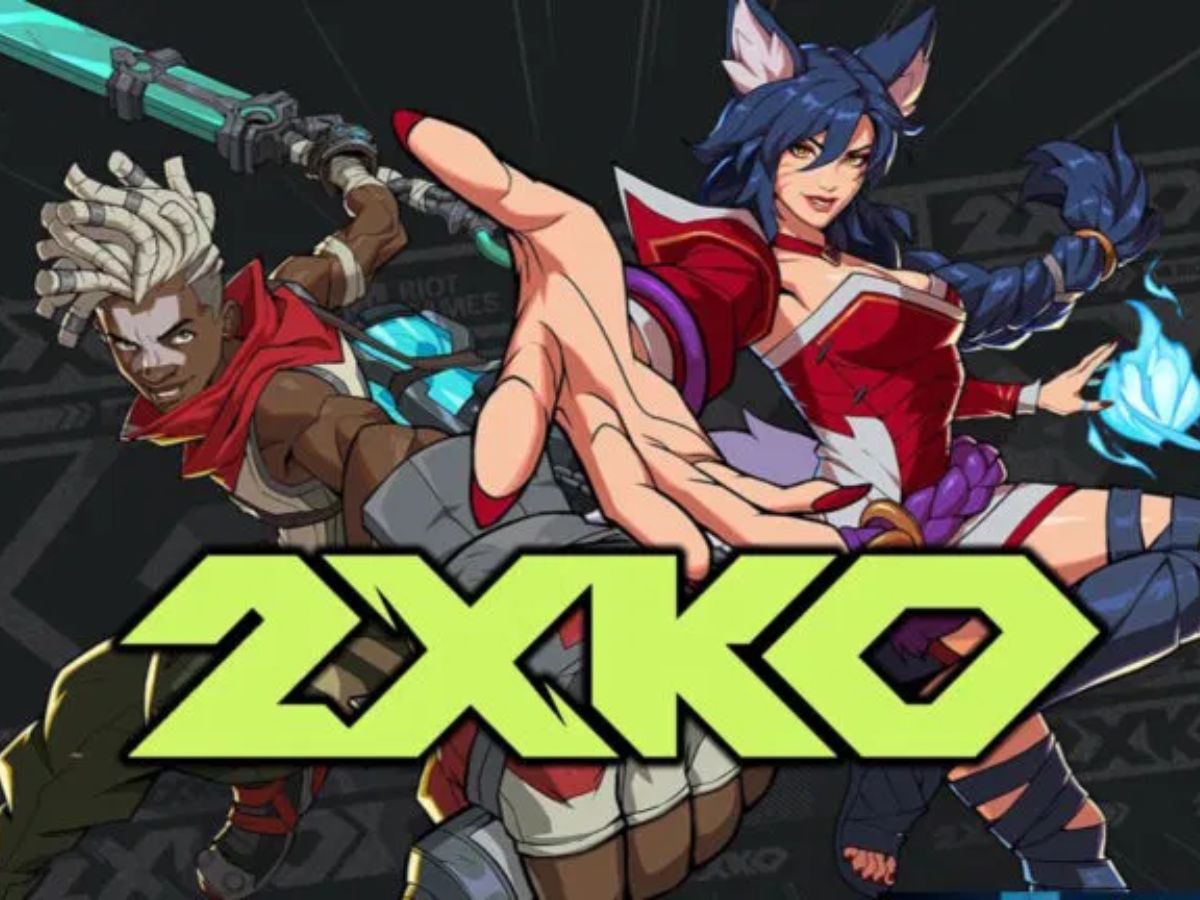
Riot Games has announced a significant reduction in staff working on its recently released fighting game 2XKO, laying off around 80 developers, roughly half of the game’s global team, just weeks after its full release on consoles and PC.
The decision comes as the title, despite attracting a core group of players, failed to generate the sustained engagement Riot expected to justify a development team of its original size. Riot says it will continue supporting 2XKO with a smaller, focused team and that planned events like the 2026 Competitive Series will go ahead as scheduled.
Riot Games Layoff: What Happened After the 2XKO Launch?
2XKO, a tag‑team fighting game set in the League of Legends universe, launched on January 20, 2026, for PlayStation 5, Xbox Series X|S, and PC after nearly a decade in development. Critics and fans praised its combat systems and character roster, but overall player engagement didn’t grow as quickly as Riot had hoped following the expansion from PC early access to full console release.
In a blog post on February 9, Riot’s executive producer Tom Cannon explained the layoffs, “As we expanded from PC to console, we saw consistent trends in how players were engaging with 2XKO. The game has resonated with a passionate core audience, but overall momentum hasn’t reached the level needed to support a team of this size long term.”
Riot Games Layoff: How Many Jobs Were Cut & Who Was Affected?
Riot confirmed that approximately 80 developers were laid off as part of the restructuring, nearly half of the 2XKO team, according to Riot and reporting from industry outlets.
Affected staff will be offered at least six months of notice pay and severance, and Riot says some may explore opportunities elsewhere within the company. However, some developers posted on social media that they received very short notice, highlighting the personal impact of the cuts despite Riot’s support plans.
Why Riot Games Made This Decision?
Layoffs so soon after a game’s launch are rare, especially for a high‑profile title from a major publisher. Riot says the move wasn’t a judgment on the quality of work or individuals, but a business decision based on user engagement trends and sustainability.
Despite positive reactions from dedicated players, 2XKO didn’t attract a broad enough audience to sustain its original team size. Riot wants a “more sustainable path forward,” focusing resources on key improvements requested by the community.
Riot Games Layoff: What’s Next for 2XKO & Its Competitive Scene?
Riot insists 2XKO is not being abandoned. Plans for the 2026 Competitive Series, a set of esports events around the game, remain intact. Riot will continue to partner with fighting game community (FGC) organisers and local tournament groups.
The smaller team will concentrate on core gameplay improvements, balance updates, and community‑requested features, though Riot has not yet provided detailed roadmaps for future updates.
Riot Games Layoff: Industry Reaction & Player Community Response
The layoffs sparked reactions across gaming communities. Some industry watchers see the move as part of a broader trend where even major publishers must quickly adapt to player metrics and market realities. Others worry that rapid downsizing may harm long‑term confidence in live‑service and niche genre games.
Within player circles, opinions vary. Some fans remain hopeful that 2XKO will bounce back with focused updates, while others expressed concern that layoffs so early could signal deeper problems for the project’s future.
Riot Games Layoff: What Does This Mean for Riot & Its Future Projects?
Riot Games has undergone significant changes recently, including restructuring its wider portfolio after previous layoffs and program closures in 2024. Despite the setbacks with 2XKO, Riot continues to invest heavily in its flagship titles like League of Legends and Valorant.
The 2XKO layoffs highlight the risks even large companies face when launching new IPs outside their established genres. For Riot, the focus now is on balancing innovation with viable long‑term support in a competitive gaming market.




