Samsung Galaxy S26 series may support Google’s Pixel-exclusive scam detection feature using on-device AI to warn users about scam calls and unsafe conversations.
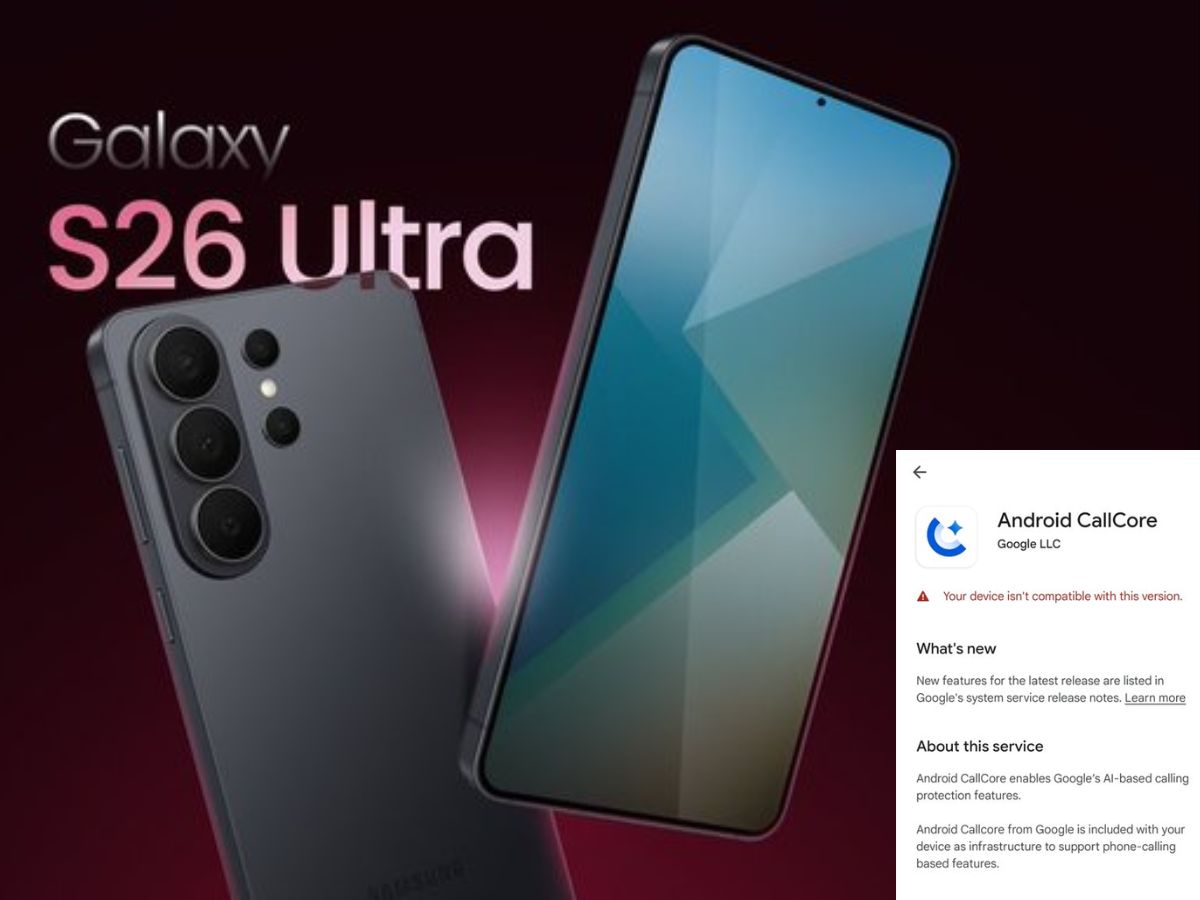
Samsung Galaxy S26 series may support Google’s Pixel-exclusive scam detection feature [Photo: X]
Samsung's upcoming Galaxy S26 series could bring a major shift in Android smartphone security by introducing Google's AI-powered scam detection feature beyond Pixel devices for the first time. Reports suggest the flagship lineup may support Google's on-device technology that detects scam calls and suspicious conversations in real time.
Until now, this advanced protection remained exclusive to Pixel phones and select Pixel Watch models. If enabled, the feature would analyse conversational patterns directly on the phone without recording or uploading call data.
The development has surfaced through app code references, pointing to deep system-level integration. This move could significantly strengthen call security for Galaxy users and signal closer collaboration between Samsung and Google on AI-driven safety tools.
Samsung has not officially confirmed the Galaxy S26 series yet, but reports suggest the flagship lineup could debut later this month at a Galaxy Unpacked event. If Samsung follows its usual release cycle, the Galaxy S26, Galaxy S26+, and Galaxy S26 Ultra may be unveiled globally in late January or early February, with availability shortly after the announcement.
The possible integration of Google’s scam detection feature at launch indicates that Samsung may position the Galaxy S26 series as a security-focused upgrade, especially amid rising concerns over phone-based fraud.
While Samsung has not revealed pricing details, the Galaxy S26 series is expected to follow the premium pricing trend of its predecessor. The base Galaxy S26 could start around ₹79,999 in India, while the Galaxy S26+ may be priced near ₹89,999. The top-end Galaxy S26 Ultra is likely to cross the ₹1,19,999 mark, depending on storage and regional taxes.
Global pricing is expected to begin around $899 for the Galaxy S26, with the Ultra variant potentially exceeding $1,299, placing it firmly in the ultra-premium smartphone category.
The Galaxy S26 lineup is expected to ship with Android 15 layered with Samsung’s latest One UI, offering deeper AI integration across system apps. Under the hood, the phones may run on either the next-generation Snapdragon chipset or Samsung’s upgraded Exynos processor, depending on the market.
Leaks suggest that Samsung could equip the Galaxy S26 Ultra with a large AMOLED display featuring adaptive refresh rates, an improved camera system with advanced AI processing, and a high-capacity battery optimized for on-device AI tasks. Enhanced security features, including Google’s scam detection, are expected to work alongside Samsung Knox for layered protection.
If enabled, scam detection will operate directly on the device, using AI to analyse live calls and conversations without storing or sharing data externally, reinforcing privacy while improving user safety.
Google first introduced Scam Detection as part of its Android calling security suite for Pixel phones. The system uses on-device artificial intelligence to monitor conversational patterns during phone calls or messages and identify behaviour typically linked to fraudulent attempts. When potential scams are detected, the feature can alert users in real time with sound, haptic feedback, or pop-up warnings, without sending personal data to external servers.
What makes this technology stand out is that all processing happens directly on the device. According to Google, no audio or call transcripts are stored, uploaded, or retrievable after the call, reinforcing user privacy while providing enhanced scam defense.
Recent leaks and app code teardowns suggest Samsung is preparing to integrate this advanced scam detection into its flagship lineup — the Galaxy S26, Galaxy S26+, and Galaxy S26 Ultra.
Analysts discovered references to these model numbers inside the code of the Phone by Google and Android CallCore app, including a marker called “Sharpie,” which internally represents the scam detection feature.
The Android CallCore app functions as a framework for call-related features on Android devices and appears to have been updated in anticipation of broader scam protection functions. This has fueled speculation that Samsung’s new phones will support the same detection tools that Google’s Pixel devices use.
Until now, advanced scam alerts were a Pixel-exclusive security benefit, giving Google’s devices an edge in protecting users from evolving scam threats. With Samsung possibly unlocking the same capabilities for the Galaxy S26 series, millions of Android users could gain access to superior scam protection — especially against call phishing, identity theft attempts, and suspicious messages.
Smartphones commonly receive nuisance calls or texts every day, but the AI-driven detection goes beyond simple number blocking. Instead, it learns patterns of deceptive language and behaviour in real time to warn users while a call or chat is happening.
One question still up in the air is how Samsung will implement the feature. Currently, Galaxy phones ship with Samsung’s own phone app, not the Google dialer that Pixel phones use. For scam detection to function seamlessly, Samsung may either:
If Samsung opts for the Google Phone app, users might need to accept it as the default calling app to benefit from the anti-scam features. But analysts believe Samsung may push for deeper integration, especially given its recent collaboration on other Google-powered features like RCS messaging.
Bringing Google’s scam detection to Samsung devices hints at a broader partnership between Android’s biggest software provider and one of its largest hardware makers. Beyond convenience, this development could raise the bar for safety standards across the Android ecosystem, pressuring other manufacturers to adopt similar on-device protections.
Samsung already equips its devices with features like Samsung Knox and hardware-level AI computing, but the added power of Google’s specialized scam detection could make the Galaxy S26 series a compelling choice for users worried about privacy and fraud.
If confirmed, Galaxy S26 owners could enjoy:
This move could reshape how Android manufacturers think about built-in security tools and narrow the gap between premium Pixel and non-Pixel devices when it comes to proactive scam defense.
