Samsung Galaxy S26 Ultra may skip built-in Qi2 magnets again, raising concerns over 25W wireless charging and forcing users to rely on magnetic cases.
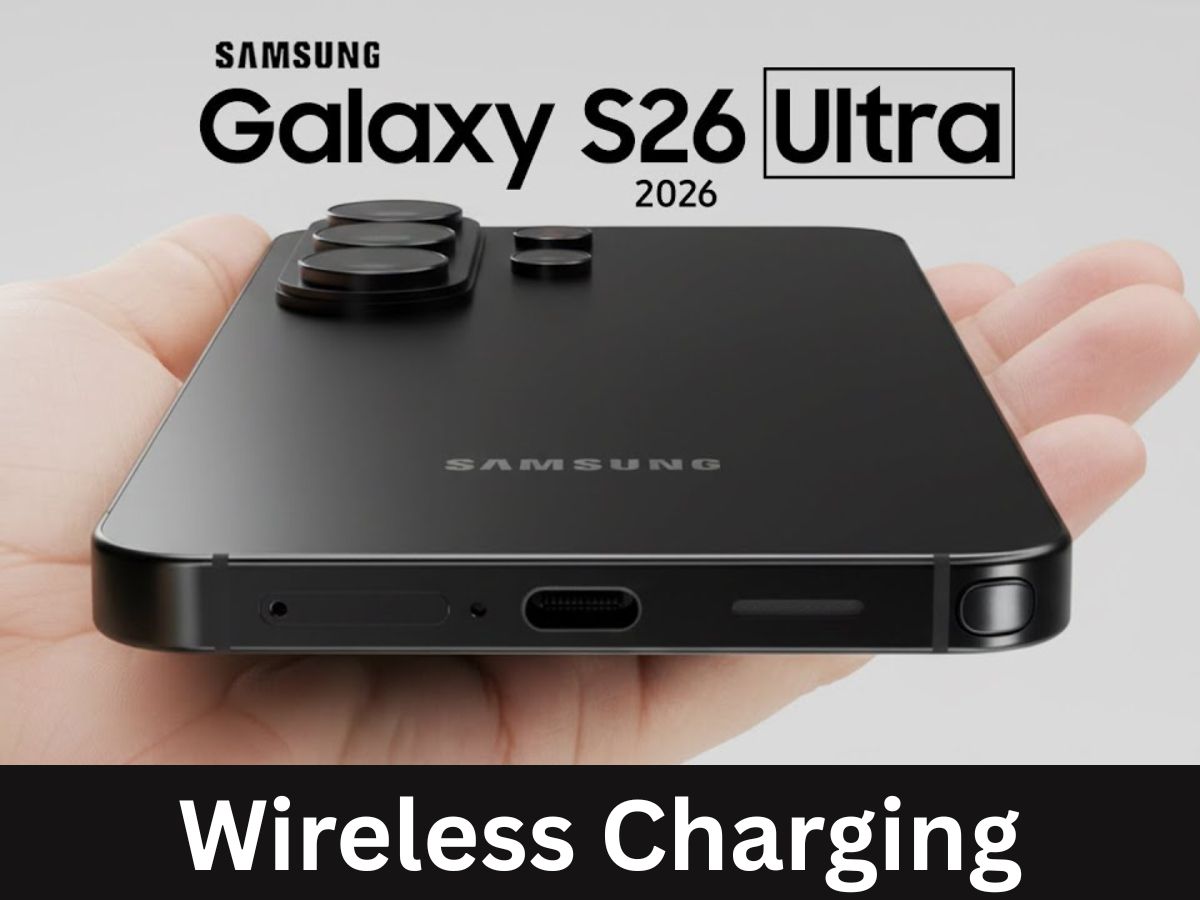
Samsung Galaxy S26 Ultra may skip built-in Qi2 magnets again [Photo: X]
Samsung's next premium flagship, the Galaxy S26 Ultra, is already making headlines months ahead of its expected launch, and not for the reasons many fans hoped. While early leaks hinted at a major leap in wireless charging with built-in Qi2 magnets and faster speeds, new information suggests Samsung may once again hold back on a long-awaited hardware upgrade.
If the latest reports are accurate, the Galaxy S26 Ultra could miss out on native magnetic wireless charging support, forcing users to rely on magnetic cases yet again. This decision may disappoint users who expected Samsung to finally match the convenience offered by Apple’s MagSafe ecosystem.
Wireless charging standards have evolved quickly, with the Qi2 standard finalised in 2024 to improve alignment, stability and charging efficiency. One of its key features is built-in magnets that allow phones to snap securely onto chargers and accessories.
However, Samsung’s 2025 flagship lineup launched without these magnets. Instead, the company introduced the term “Qi2 Ready,” meaning users needed a special magnetic case to use Qi2 accessories properly. Now, fresh leaks suggest Samsung could repeat the same approach with the Galaxy S26 Ultra.
Well-known leaker Ice Universe has claimed with “100% accuracy” that the Galaxy S26 Ultra will not feature built-in Qi2 magnets.
This means users will once again need third-party or official magnetic cases to attach wireless chargers, wallets, stands and other MagSafe-style accessories. Given Ice Universe’s strong track record with Samsung leaks, the claim has gained significant attention within the tech community.
Earlier rumours suggested that Samsung planned to bring 25W wireless fast charging to the Galaxy S26 Ultra, a noticeable upgrade over current speeds. This capability is closely linked to the upcoming Qi2.2 standard, which improves power delivery and thermal management.
However, without built-in magnets, questions arise about how Samsung plans to deliver these faster speeds reliably. Magnetic alignment plays a major role in stable, high-watt wireless charging, and skipping native Qi2 support could limit real-world performance. At this point, Samsung has not officially confirmed whether 25W wireless charging will make it to the final device.
Samsung has not officially announced the Galaxy S26 Ultra launch date yet. However, based on Samsung’s annual release cycle, the device is expected to debut in January or early February 2026 alongside the rest of the Galaxy S26 lineup at the company’s next Galaxy Unpacked event.
The Galaxy S25 series followed a similar early-year launch window, and industry observers expect Samsung to stick to this timeline unless major supply chain or development changes occur. More concrete details are likely to emerge in the final quarter of 2025 as leaks and certifications increase.
Samsung has not revealed official pricing for the Galaxy S26 Ultra, but early expectations suggest the company will maintain premium flagship pricing similar to its previous Ultra models.
Based on current trends, the Galaxy S26 Ultra could start at around $1,199 (approximately ₹1,30,000 in India) for the base variant, with higher prices for models offering increased storage and RAM. Rising component costs and new hardware features may also influence final pricing.
That said, if Samsung skips major hardware upgrades like native Qi2 magnets, some consumers may question whether price increases are justified compared to competing flagship phones offering more complete wireless charging solutions.
While the phone itself may lack magnets, Samsung reportedly plans to offer multiple first-party magnetic cases designed specifically for the Galaxy S26 Ultra. These cases would enable compatibility with magnetic chargers and accessories.
Additionally, Samsung is said to be developing a Qi2.2 wireless charging puck, similar in concept to Apple’s MagSafe charger. While this helps bridge the gap, many users believe built-in magnets should come standard on a flagship device at this price point.
Native Qi2 support isn’t just about faster charging speeds. It improves daily usability by:
As more Android brands adopt Qi2 magnets directly into their devices, Samsung’s hesitation could put it behind competitors in user convenience, even if overall performance remains strong.
Samsung continues to lead in display quality, camera hardware and software optimisation. However, its slow adoption of native Qi2 magnets has sparked criticism, especially as wireless charging becomes a core part of everyday smartphone use.
For many users, the expectation is simple: a top-tier flagship should not require extra accessories to unlock basic next-generation features.
The Galaxy S26 Ultra is still months away from launch, and Samsung could still adjust its final hardware decisions. More leaks and official confirmations are expected closer to release.
Until then, the latest information suggests that while Samsung may improve wireless charging speeds and accessories, native Qi2 magnetic support may once again be missing, leaving fans divided over the company’s priorities.
