Abandoned at birth, baby macaque Punch found comfort in a stuffed toy. Months later, a touching breakthrough helps him finally bond with his troop.
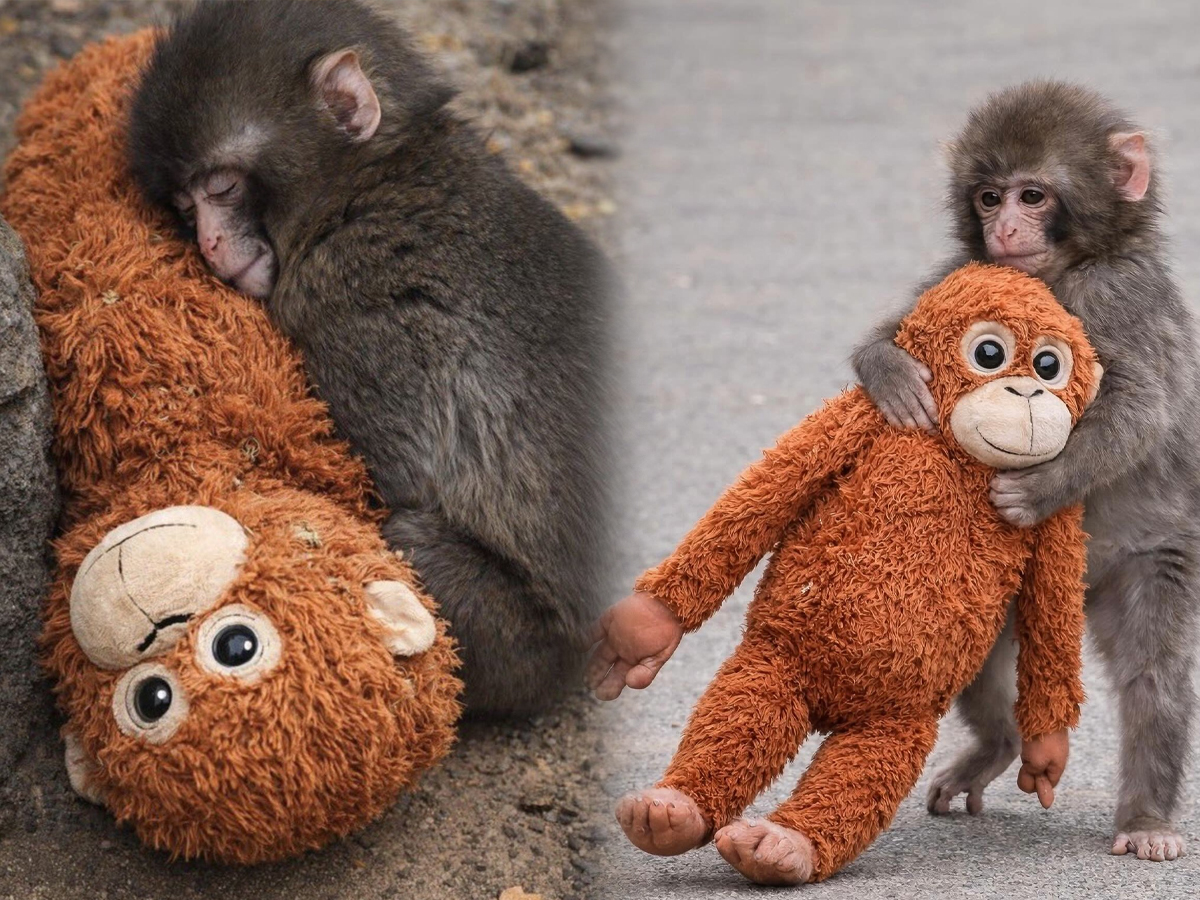
After months of rejection and emotional isolation, the young primate has begun forming real bonds with other monkeys—something caregivers and animal lovers around the world had been hoping for. (Photo: Social Media)
A tiny macaque who once captured the internet’s heart for clinging to a stuffed toy is finally stepping into a brighter chapter of life. Punch, the baby monkey who was abandoned by his mother shortly after birth, is no longer alone. After months of rejection and emotional isolation, the young primate has begun forming real bonds with other monkeys—something caregivers and animal lovers around the world had been hoping for.
Punch was born on July 26, 2025, at Ichikawa City Zoo and Botanical Garden, near Tokyo. From the very start, his life took a difficult turn. His mother rejected him just days after birth, leaving zookeepers to intervene to save him.
🥹🙊 Baby Punch gets the warmest hug
— NEXTA (@nexta_tv) February 20, 2026
Today, the adult monkey Onsing wrapped little Punch in a tight embrace — easily the coziest video you’ll see today 🫂 pic.twitter.com/Mvhv1Mpexd
Staff members bottle-fed Punch around the clock and closely monitored his health. Their efforts worked, and the infant survived the critical early weeks. But while his body grew stronger, Punch struggled emotionally without a mother or troop to care for him.
To comfort the lonely newborn, caregivers placed several stuffed toys in his enclosure. Punch quickly chose one small brown plush monkey and refused to let it go. He held it while resting, carried it while exploring, and hugged it tightly whenever other monkeys came close.
Images of Punch gripping his stuffed toy spread rapidly on social media. Viewers saw a baby monkey using a soft object as emotional protection during failed attempts to socialize. Each time he faced rejection or aggression from other monkeys, Punch retreated to his plush companion.
Animal experts say Punch’s behavior is deeply rooted in primate psychology. Infant monkeys rely heavily on touch and attachment for healthy development. Without that connection, they often seek substitutes.
In the 1950s, psychologist Harry Harlow showed that baby macaques preferred soft surrogate figures over wire ones that provided food. His research proved that comfort and emotional security matter as much as physical needs.
For Punch, the stuffed toy filled that emotional gap when no living caregiver would.
Zoo officials carefully tried to introduce Punch to different monkey groups over time. They followed a slow and controlled process, hoping he would be accepted. While Punch showed curiosity and interest, other monkeys often rejected him.
Despite setbacks, caregivers continued their efforts, believing patience was key. Punch kept trying to approach others, even when he faced repeated disappointment.
Recently, a major change occurred. In a heartwarming moment caught on video, an adult female monkey approached Punch and began grooming him. In primate behavior, grooming signals trust, care, and social acceptance.
This was the first time Punch had received such attention from another monkey since birth.
After that moment, Punch’s behavior began to shift. He started spending more time near the troop and less time clutching his stuffed toy. He played more freely and showed growing confidence in his surroundings.
Caregivers report that Punch now interacts regularly with other monkeys. While the stuffed toy remains nearby, it no longer serves as his only source of comfort. Physical affection and social contact are gradually replacing it.
Punch’s journey highlights how emotional support plays a critical role in animal welfare, especially for social species like primates.
People around the world followed Punch’s story because it reflects a universal need—the need to belong. His journey from abandonment to acceptance reminds viewers that healing takes time, patience, and compassion.
For zoo staff, Punch’s progress represents a success built on careful care and understanding of animal behavior. For the public, it feels like the happy ending they hoped for.
Punch is no longer the lonely baby monkey hiding behind a stuffed toy. He is now learning how to be part of a group, building bonds that every young macaque needs to thrive.
After months of isolation, rejection, and quiet resilience, Punch is finally discovering what it means to belong—and that makes his story one of hope.
