Fact check on viral videos of Indian railway officers training in Japan for bullet trains, project progress, costs, and the 2027 Mumbai–Ahmedabad launch.
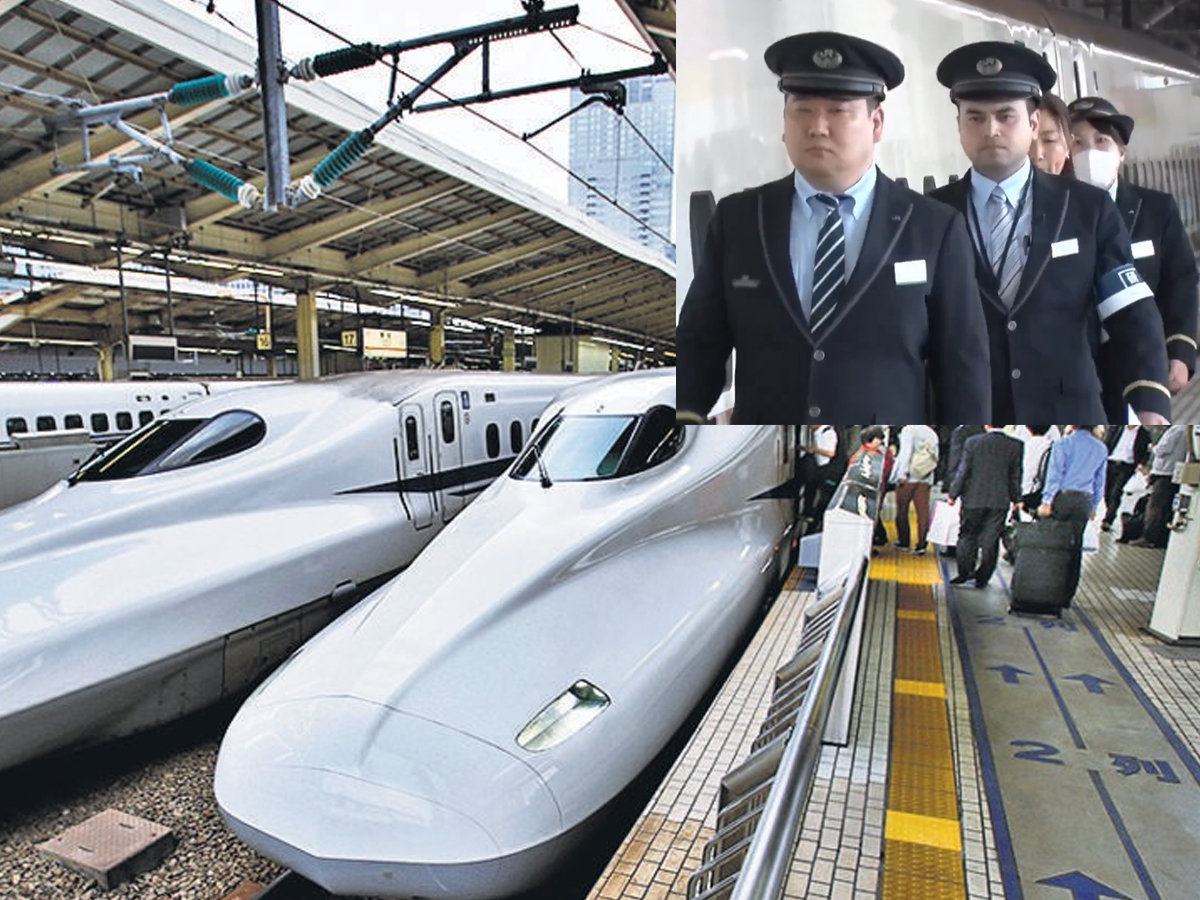
The group consists of 15 mid-career railway professionals selected from different railway and metro backgrounds. (Photo: Social Media)
India’s plan to run its first bullet train has entered a crucial phase, not just on the construction front but also in preparing the people who will operate it. A group of Indian railway officers is currently in Japan, training to become the country’s first-ever Shinkansen pilots for the Mumbai–Ahmedabad High-Speed Rail Corridor.
This specialised programme marks a major step in India’s high-speed rail journey, combining advanced Japanese rail technology with hands-on skill development for Indian professionals. Officials believe that trained human resources will be as important as tracks, tunnels, and stations in ensuring the success of the bullet train project.
The group consists of 15 mid-career railway professionals selected from different railway and metro backgrounds. These officers already have experience in operating conventional trains and urban transit systems, making them suitable candidates for high-speed rail operations.
🚨Indian loco pilot are getting training in Japan for Mumbai-Ahmedabad bullet train Corridor. pic.twitter.com/0tXx6Ty1cb
— The Bharat (@TheBharatMatter) February 23, 2026
The training is taking place in collaboration with Japanese institutions, including Japan International Cooperation Agency and JR East. The programme focuses not only on technical knowledge but also on building discipline, precision, and a safety-first mindset.
A short video from the training programme recently went viral on social media, drawing public attention to the rigorous methods being taught. In the clip, an Indian loco pilot demonstrates Japan’s famous ‘point-and-call’ safety technique.
This method requires drivers to physically point at instruments and verbally confirm readings. Japanese railways widely use it to reduce human error and improve alertness during operations. The trainee in the video also explains how adapting to Japan’s strict railway discipline has been challenging but rewarding.
Experts say adopting such practices will help India build a high-speed rail system that meets global safety standards from day one.
Work on the Mumbai–Ahmedabad corridor has gathered strong momentum. According to official project data, the 508-kilometre high-speed rail corridor has crossed 56 per cent physical completion.
The project is being monitored under the Project Assessment Infrastructure Monitoring and Analytics for Nation Building portal of the Ministry of Statistics and Programme Implementation. Authorities see this monitoring as key to keeping timelines and costs under control.
India has already spent more than Rs 85,338 crore on the bullet train project. The final estimated cost is around Rs 1.08 lakh crore. Once operational, trains on this corridor will run at speeds of up to 320 kmph.
This will cut travel time between Mumbai and Ahmedabad to just 1 hour and 58 minutes, a dramatic improvement over existing rail and road options.
Union Railway Minister Ashwini Vaishnaw has announced that India’s first bullet train service will begin in August 2027. The initial operations will cover a 100-kilometre stretch between Surat and Vapi.
Officials say this phased launch will allow engineers and pilots to test systems thoroughly before expanding services across the full corridor.
Railway officials stress that world-class infrastructure alone cannot guarantee success. Skilled pilots trained in Japan’s high-speed systems will play a vital role in ensuring smooth, safe, and reliable operations.
By combining advanced construction progress with global best practices in training, India aims to build a bullet train network that can match international benchmarks in speed, safety, and efficiency.
