Holi 2026: Know whether Holi 2026 falls on March 3 or 4, with panchang timings, Chandra Grahan details, rituals, and significance.
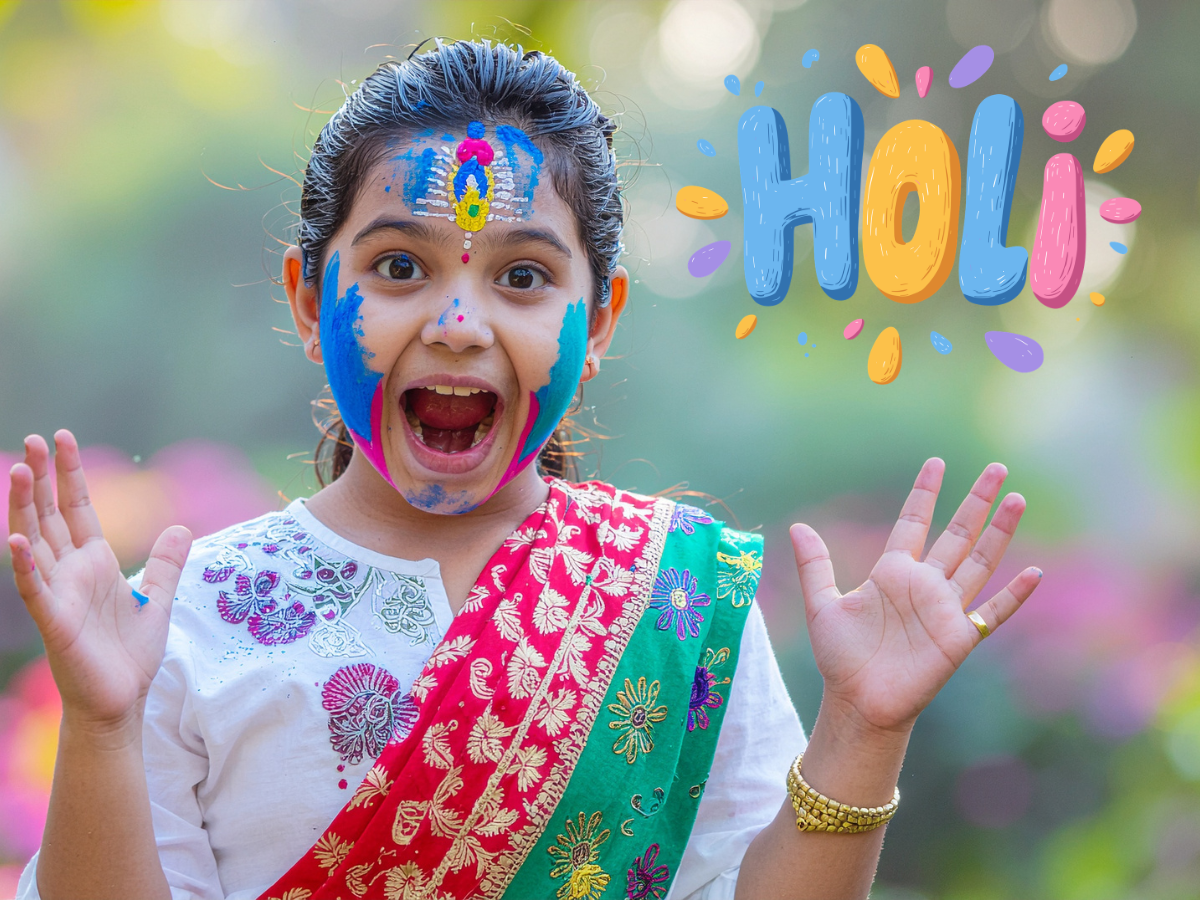
Holi 2026: Check Holi 2026 correct date, Holika Dahan time, lunar eclipse details, shubh muhurat, history, significance and puja rituals.
Holi 2026: Holi, the festival of colours, is one of the most vibrant and widely celebrated Hindu festivals in India. Marking the victory of good over evil and the arrival of spring, Holi is celebrated with joy, colours, and sweets. Each year, its date varies according to the lunar calendar, leading to questions about whether it falls on March 2 or March 4 in 2026.
In 2026, Holika Dahan (the bonfire ritual) is observed on March 2, while Rangwali Holi (the festival of colours) is celebrated on March 4. The distinction comes from tithi calculations in the Hindu lunar calendar, where Holika Dahan is performed on the full moon tithi’s evening and Rangwali Holi the following day.
Holi celebrations mark winter's end and spring's arrival, while they create social unity among people. People use colors to cover themselves while they distribute gujiya sweets and festive thandai to create social connections with others.
A total lunar eclipse (Chandra Grahan) will take place on March 3, 2026, which coincides with Holika Dahan. People observe sutak kaal according to astrological beliefs as an inauspicious time before they conduct rituals. Yet the celebrations proceed according to their scheduled times while people take necessary safety measures.
The evening of March 2 marks Holika Dahan, when people light the bonfire, and they present grains, coconuts, and their prayers to the fire. The people of Rangwali Holi celebrate on March 4 when they engage in colorful festivities, musical performances, and family visits. The results of puja will be most effective when it is performed during Pradosh Kaal because the Bhadra periods must be avoided.
Holi 2026 is celebrated in two stages: Holika Dahan on March 2 and Rangwali Holi on March 4.
