Holi, the Festival of Colors, is now a global celebration. From Nepal to the US, it brings joy, unity, love, and a spirit of togetherness.
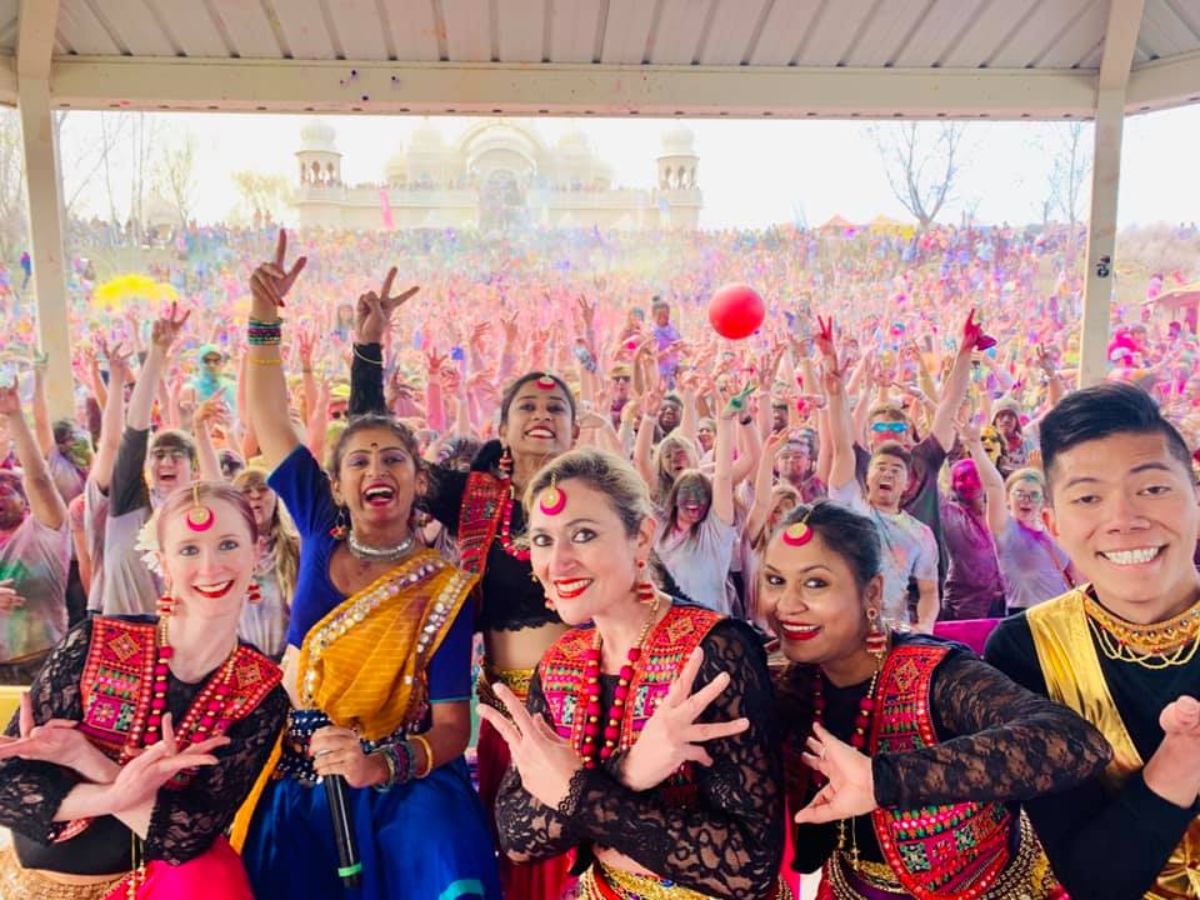
One of the biggest global Holi celebrations takes place in Utah, US (Photo: Social Media)
Holi, the festival of colours, is almost here. Celebrating the victory of good over evil, the festival begins on a full moon night, and the next morning, people gather to play with colours. They apply gulal, splash water, enjoy sweets like gujiya, drink thandai, and celebrate with music and dance.
Holi is celebrated with great joy across India, but there are many other countries which celebrate this festival. The celebrations are rooted in Hindu culture but have spread to include many cultural influences, thanks to the Indian community living around the world. Since many Indians live abroad, they have carried their traditions with them, and today, many countries around the world celebrate Holi.
In Nepal, Holi is celebrated with great zeal. As a country with a majority Hindu population, the festival holds deep spiritual meaning. People decorate tall wooden poles called Chir with colourful cloth and ribbons, which are later taken down as part of the celebrations. During this vibrant festival, women wear red sarees, bonfires are lit, and people gather on the streets to throw bright coloured powders, creating a lively and festive atmosphere.
A large number of Indians live in the United States, and they celebrate Holi with great enthusiasm. One of the biggest Holi celebrations takes place in Utah. Organised every year by the Sri Sri Radha Krishna Temple since 1989, these festivities attract thousands of visitors, especially students from nearby universities who come to enjoy the colours, music, and spiritual atmosphere. In New York City, Holi is celebrated with lively parades and colour runs.
In Mauritius, Holi is celebrated with great joy, thanks to its large Indian-origin population. The festival is observed in traditional style, with gulal, coloured water, sweets, and Holika Dahan rituals. In cities like Port Louis, people gather at parks and beaches to play with colours, dance, sing, and enjoy live music. During this time, markets are filled with festive items, making it feel like a home away from home for Indians.
In Trinidad and Tobago, Holi is celebrated as Phagwa and is an important festival for the Indo-Caribbean community. The celebrations include traditional Chowtal songs, which are sung in groups, creating a lively and devotional atmosphere. A unique ritual during Phagwa is the ceremonial planting of a castor plant, which holds symbolic meaning. The festival beautifully blends Indian traditions with Caribbean music, rhythms, and vibrant colours, reflecting the country’s rich cultural mix.
In Fiji, Indo-Fijians celebrate Holi as Pagua. The festival features traditional songs and dances that depict the romance of Radha and Krishna. People play with bright colours, apply fragrant powders and perfumes, and gather with family and friends to enjoy the lively celebrations.
Holi is no longer limited to India. It has become a vibrant celebration across the world. Wherever Indians have settled, they have carried their traditions with them, keeping their cultural roots alive through festivals like Holi. In recent years, the festival of colours has grown beyond Indian communities. People from different cultures and backgrounds now join in the celebrations, embracing its spirit of joy, unity, and togetherness. Holi today stands as a global symbol of harmony and shared celebration.
