
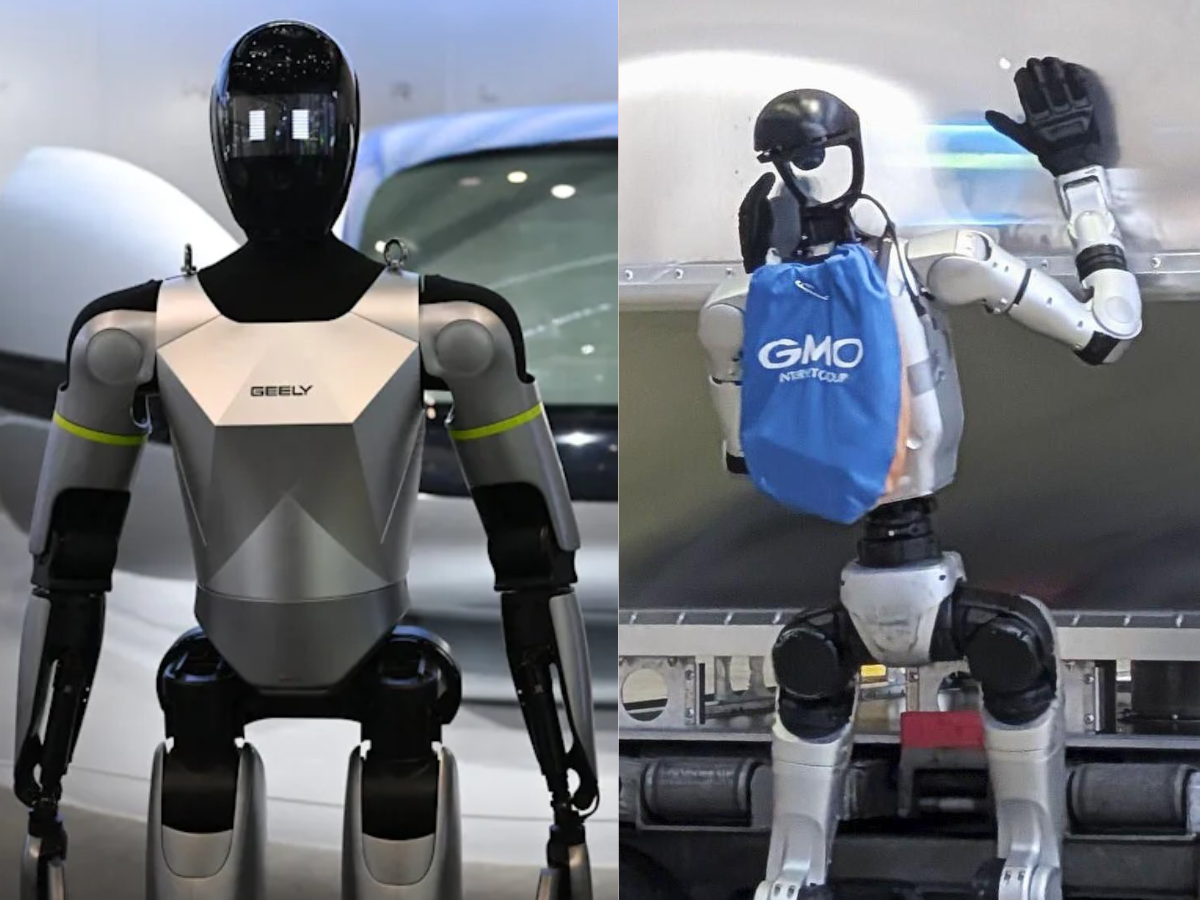
Japan Airport Robots: Japan is moving one step closer to a fully automated aviation ecosystem as humanoid robots are being tested for baggage handling at Tokyo’s Haneda Airport. The pilot project, led by Japan Airlines in partnership with GMO Internet Group, reflects a practical response to a growing labour shortage and rising passenger traffic. Haneda alone handles over 60 million passengers annually, putting steady pressure on ground operations that depend heavily on manual labour.
Japan Airlines Update: Rising Pressure on Airport Operations
Japan’s aviation sector is under strain from two simultaneous trends: record tourism and workforce decline. In early 2026 alone, more than 7 million international visitors entered the country in just two months and at the same time, Japan’s ageing population continues to shrink the available pool of airport workers, especially for physically demanding roles like baggage loading and cargo movement.
When is the Humanoid Robot Baggage Handler Trial Launching?
Japan Airlines will begin deploying humanoid robots at Tokyo’s Haneda Airport from May 2026 and the pilot project will run until 2028, testing their ability to handle luggage and cargo. The long-term goal is to reduce labour pressure amid rising passenger traffic and Japan’s ongoing workforce shortage.
Japan Airlines Update: Why Airports Are Turning to Robots
The push toward automation is not just about efficiency but necessity and government projections suggest Japan may require around 6.5 million foreign workers by 2040 to sustain economic output. However, immigration constraints and political debates limit how quickly that gap can be filled. Airports, operating around the clock, are among the hardest-hit sectors. Japan is facing a dual challenge over 7 million visitors in the first two months of 2026 with inbound tourism rising sharply after a record 42.7 million visitors in 2025, airports are under pressure to maintain efficiency.
Japan Airlines Update: The Humanoid Robot Trial at Haneda
The trial program began in May 2026 and will run until 2028 and iIt introduces humanoid robots designed to perform basic ground handling tasks such as moving baggage carts, assisting in cargo loading and transporting luggage across tarmac zones. The robots are developed by Unitree, a robotics firm based in Hangzhou and stand approximately 130 cm tall, making them compact enough for airport operations.
Japan Airlines Update: How the Robots Actually Work
During a public demonstration, the robot was seen pushing cargo toward a conveyor belt next to a passenger aircraft. It also performed simple recognition-based actions like waving while the movements are still limited in complexity, the system is designed for continuous operation cycles of 2–3 hours per charge, making it suitable for short task rotations before recharging.
Japan Airlines Update: Key Goals of the Experiment
Japan Airlines aims to reduce physical strain on human workers and improve operational efficiency during peak hours. According to JAL Ground Service leadership, the goal is to “reduce the burden on employees” rather than replace them entirely. Human staff will continue to handle safety checks, coordination and decision-making roles while robots support repetitive physical work.
Japan Airlines Update: Industry Perspective on Automation
Executives involved in the project acknowledge that airports already rely on advanced systems, but much of the backend logistics still depends on manual labour. GMO AI and Robotics leadership has pointed out that despite automation in passenger services, ground operations remain labour-intensive and prone to staffing shortages, especially during seasonal travel peaks.
Japan Airlines Update: Tourism Surge Adding to Demand
Japan’s tourism boom has accelerated the need for automation. The country recorded a historic 42.7 million visitors in 2025 and numbers continue to rise with inbound tourism expected to remain strong, airports must scale operations without proportionally increasing workforce size, making robotics a strategic solution.
Japan Airlines Update: Human Workforce Still Central
Despite automation, human workers remain essential. Airport safety, equipment oversight, emergency response and complex logistics decisions cannot yet be fully delegated to machines while officials stress that robots will act as assistants, not replacements, particularly in high-risk or unpredictable environments.
Japan Airlines Update: Expansion Beyond Baggage Handling
The experiment is not limited to luggage transport and future applications under consideration include aircraft cabin cleaning, cargo sorting and maintenance assistance. These roles are being evaluated for robotic integration as Japan seeks to expand automation across airport ecosystems.
Japan Airlines Update: Technical Limitations & Challenges
While promising, humanoid robots still face limitations such as battery duration, environmental sensitivity and adaptability to crowded or unpredictable airport conditions. Current operational cycles of 2–3 hours require careful scheduling, limiting continuous deployment.
Japan Airlines Update: Economic & Labour Impact
Japan’s demographic shift is the underlying driver of this transformation with fewer young workers entering the job market, industries must rely on automation or foreign labour to maintain productivity. Airports, which operate 24/7, are among the most exposed to this structural challenge.
Japan Airlines Update: A Glimpse Into Future Airports
The Haneda trial represents more than a technological showcase; it signals a gradual redesign of airport operations while humanoid robots will not replace human workers anytime soon, they are increasingly becoming part of a hybrid workforce model. For Japan, this experiment is a preview of how technology and labour shortages will reshape critical infrastructure in the coming decade.
FAQs – Humanoid Robots as Baggage Handlers in Japan
1. Why is Japan using humanoid robots at airports?
Japan is testing robots to handle baggage due to a growing labour shortage and rising passenger traffic at busy airports like Haneda.
2. Which airport is testing the humanoid robots?
The trial is being conducted at Tokyo’s Haneda Airport, one of Japan’s busiest airports handling over 60 million passengers annually.
3. What tasks will the robots perform?
The robots will assist in moving luggage, transporting cargo and supporting ground handling operations on airport tarmac areas.
4. Are robots replacing human airport workers?
No, robots are meant to assist workers, not replace them while humans will still manage safety, coordination and critical airport operations.
5. How long can the robots operate?
The humanoid robots can work for around 2 to 3 hours per charge before needing to be recharged or rotated out of service.
Disclaimer: Information based on reports and pilot project details. Technology outcomes may change as trials continue. Not final operational confirmation.


